How to Lower Your Heating Bill This Winter: Settings and Help
Thermostat settings, a space heater cost table at 2026 electricity prices, low-cost draft sealing and where to get help with heating bills through LIHEAP.
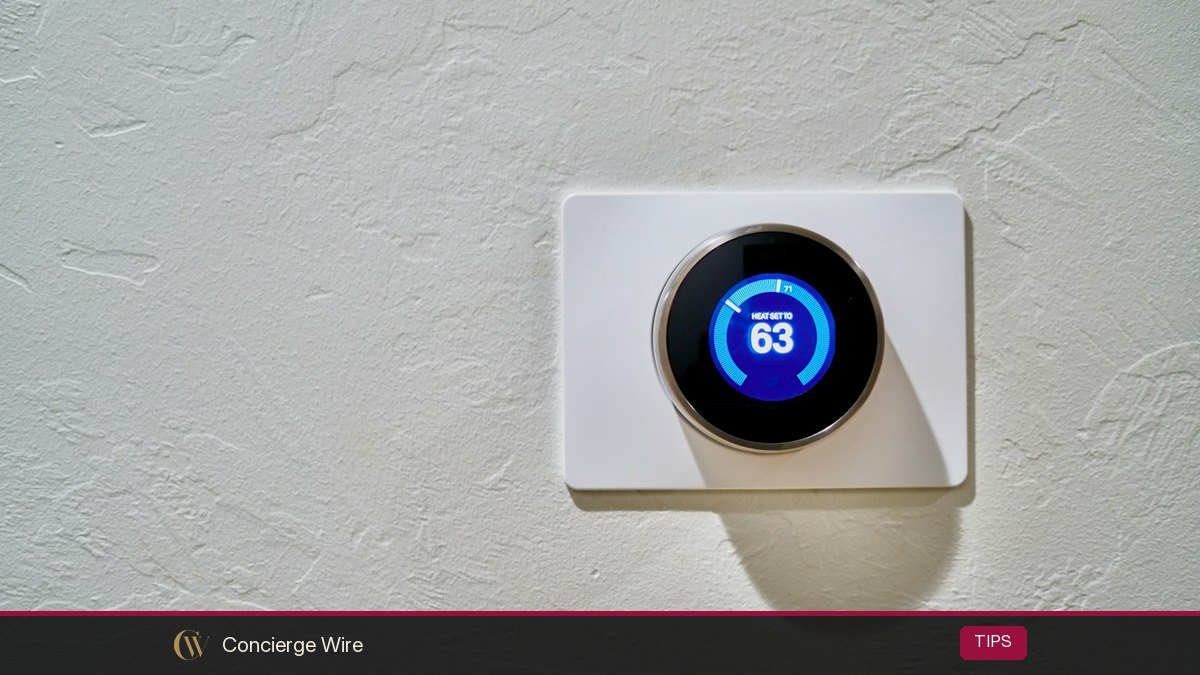
The fastest ways to lower your heating bill this winter are to set the thermostat around 68°F while you are home and awake, turn it down 7 to 10 degrees while you sleep or are out, stop the drafts you can feel, and use a space heater only to warm one room you are actually in. If you still cannot keep up with the bills, the federal LIHEAP program and your utility’s assistance plans can help. Below you will find the thermostat settings, a space-heater cost table at 2026 electricity prices, a draft-sealing plan and how to apply for help.
Updated October 2026.
Key Takeaways
- Department of Energy guidance has long recommended about 68°F while you are awake and home, and setting the thermostat back 7 to 10°F for about 8 hours a day, which it estimates can save up to 10% a year on heating and cooling.
- Heat pump owners should use small setbacks (a degree or two) unless their thermostat is designed for heat pumps, to avoid triggering expensive backup heat.
- A 1,500-watt space heater costs about 27 cents an hour at the U.S. average residential electricity price of 18.16 cents per kWh (EIA, August 2026). Run 8 hours a day, that is about $65 a month.
- ENERGY STAR says sealing air leaks and adding insulation can save up to 10% on annual energy bills.
- For help paying bills, contact LIHEAP through the National Energy Assistance Referral line at 1-866-674-6327 or EnergyHelp.us. LIHEAP never charges a fee.
Quick Answer: The Best Thermostat Settings for Winter
| Situation | Suggested setting | Notes |
|---|---|---|
| Home and awake | About 68°F | Go lower if comfortable; add a sweater before adding degrees. |
| Asleep | 7-10°F lower (about 58-61°F) | Warm bedding makes this easy for most people. |
| Away at work (8+ hours) | 7-10°F lower | Schedule the heat to come back 30 minutes before you return. |
| Away on a trip | About 55°F | Keep pipes safe; do not turn heat fully off in freezing climates. |
| Heat pump | 1-2°F setback only, unless your thermostat is heat-pump smart | Large recoveries can switch on costly electric backup strips. |
| Babies, older adults, health conditions | Keep warmer | Comfort and safety come first; ask a doctor if unsure. |
How Thermostat Setbacks Actually Save Money
Your home loses heat to the outdoors faster when the inside is warmer. Lower the inside temperature for a stretch of hours and the house loses less heat, so the furnace burns less fuel. That is why the DOE has long advised turning the thermostat back 7 to 10 degrees for about 8 hours a day and estimated savings of up to 10% a year on heating and cooling. A common rule of thumb is roughly 1% saved for each degree of setback over an 8-hour period, though real savings depend on your climate, house and system.
The old belief that a furnace “works harder” to reheat a cooled house and wipes out the savings is wrong for standard furnaces and boilers. The house loses less heat during the setback, and that saving is larger than the energy used to warm it back up.
The heat pump exception
Heat pumps are different. If you drop the temperature 10 degrees and then ask for a quick recovery, many systems switch on electric resistance backup heat, which costs far more to run. Keep setbacks small, or use a thermostat with adaptive recovery designed for heat pumps. Check your system’s manual.
Programmable and smart thermostats
Setbacks only save money if they happen every day, and most people forget to do it by hand. A programmable thermostat does it on a schedule. A smart thermostat adds phone control and features like geofencing, which lowers the heat when everyone leaves. ENERGY STAR says homes with high heating and cooling bills, or homes that are empty for much of the day, can save about $100 a year with a certified smart thermostat. Many utilities offer rebates on them, so check before you buy.
Space Heaters: What They Really Cost to Run
A space heater can save money, but only if it lets you turn the central heat down. Heating one room with a space heater while the furnace keeps the whole house at 70°F just adds a second bill.
Most plug-in space heaters top out at 1,500 watts, which is 1.5 kilowatt-hours per hour on high. The U.S. Energy Information Administration reports that the average U.S. residential electricity price was 18.16 cents per kWh in August 2026, up from 17.57 cents a year earlier. Your rate may be much higher or lower depending on your state and plan; check your bill for the actual rate.
| Heater setting | Cost per hour at 18.16¢/kWh | 8 hours a day | 30 days (8 hrs/day) | 30 days at 30¢/kWh |
|---|---|---|---|---|
| 1,500 W (high) | $0.27 | $2.18 | $65.38 | $108.00 |
| 1,000 W | $0.18 | $1.45 | $43.58 | $72.00 |
| 750 W (low) | $0.14 | $1.09 | $32.69 | $54.00 |
| 400 W (small panel heater) | $0.07 | $0.58 | $17.43 | $28.80 |
To calculate your own: watts / 1,000 x hours x your price per kWh. A heater’s thermostat cycles it on and off, so actual use is often lower than the maximum shown.
When a space heater makes sense
- You spend most of the day in one room, such as a home office, and can turn the whole-house thermostat down several degrees.
- One room is always colder than the rest of the house.
- You need short bursts of heat, such as in a bathroom in the morning.
All space heaters are close to equally efficient at turning electricity into heat. Fancy shapes and claims of “saving 50%” do not change the physics; what matters is how many watts you use and for how long.
Space heater safety
- Keep it at least 3 feet from anything that can burn: curtains, bedding, furniture, paper.
- Plug it directly into a wall outlet, never an extension cord or power strip.
- Choose a model with tip-over and overheat shutoff and a safety-lab mark.
- Turn it off when you leave the room or go to sleep.
- Never use a gas oven or a grill to heat your home. Make sure you have working smoke and carbon monoxide alarms.
Draft Sealing: The Cheapest Big Win
ENERGY STAR says sealing air leaks and adding insulation are two of the most cost-effective efficiency projects, and that doing both can save up to 10% on annual energy bills. The air-sealing part is mostly a weekend of DIY with supplies that cost less than one month’s heating bill.
Find the leaks
On a cold, windy day, hold a stick of incense or a damp hand near likely leak points and feel or watch for moving air. The usual suspects:
- Gaps around doors, especially the bottom.
- Window sashes and frames.
- Electrical outlets and switch plates on exterior walls.
- Attic hatches and pull-down stairs.
- Where pipes, wires and vents pass through walls, floors and ceilings.
- Recessed lights in top-floor ceilings.
- Fireplace dampers left open.
Fix them
| Leak | Fix | Rough cost |
|---|---|---|
| Gap under exterior door | Door sweep or new threshold | $10-$30 per door |
| Door and window edges | Self-adhesive or V-strip weatherstripping | $5-$20 per opening |
| Cracks around window trim | Caulk | $5-$10 a tube |
| Outlets and switches on outside walls | Foam gaskets behind cover plates | A few dollars for a pack |
| Drafty single-pane windows | Plastic window insulation film | $10-$25 per window kit |
| Attic hatch | Weatherstrip plus rigid foam board on top | $20-$50 |
| Pipe and wire holes | Expanding foam (non-heat sources only) | $5-$10 a can |
| Fireplace not in use | Close damper; consider a chimney balloon | $0-$60 |
Costs are rough retail estimates and vary by store and region. Do not seal around furnace flues or combustion appliance vents with foam; those need fire-rated materials. If you seal a house tightly and have gas or oil appliances, make sure they still vent properly, and keep CO alarms working.
Other Heating Savings That Add Up
- Change the furnace filter. ENERGY STAR says to check it every month in heavy-use months and change it at least every 3 months. A clogged filter makes the system work harder.
- Get a tune-up if your system has not been serviced in a year or two.
- Seal ducts in unheated spaces. ENERGY STAR says sealing and insulating ducts can improve heating and cooling efficiency by as much as 20%. Use mastic or foil tape, not cloth duct tape.
- Use the sun. Open south-facing curtains on sunny days; close all curtains at night.
- Do not block vents and registers with furniture or rugs.
- Run ceiling fans clockwise on low to push warm air down from the ceiling.
- Lower the water heater to 120°F if it is set higher.
- Close vents in unused rooms only partly. Fully closing many vents on a forced-air system can raise duct pressure and reduce efficiency.
Help Paying Your Heating Bill: LIHEAP and More
The Low Income Home Energy Assistance Program (LIHEAP) is a federally funded program run by states, territories and tribes. It helps eligible households with heating bills, energy crises and shutoff prevention, reconnecting service, weatherization and minor energy-related repairs, including repairing or replacing heating equipment. It prioritizes households with low incomes and a high energy burden, especially those with older adults, people with disabilities, or young children.
How to apply
- Find your local office at EnergyHelp.us or by calling the National Energy Assistance Referral (NEAR) line at 1-866-674-6327, weekdays 9 a.m. to 7 p.m. Eastern.
- Gather documents. Most offices ask for ID, proof of income for everyone in the household, a recent heating and electric bill, and sometimes a lease or Social Security numbers.
- Apply early. Funding in many states is first come, first served and can run out during winter.
- Ask about crisis help if you have a shutoff notice or are almost out of fuel; many programs act faster in emergencies.
Income limits are set by each state within federal rules, generally up to 150% of the federal poverty guidelines or 60% of the state median income, whichever is higher. Check your state’s own limits, which may be lower.
Beware of scams. According to HHS, LIHEAP does not provide direct grants to individuals (help comes through state, tribal and local agencies) and does not charge a fee for receiving a benefit. If someone offers you a LIHEAP grant for a fee, report it to the HHS fraud hotline at 1-800-447-8477.
Other places to ask
- Your utility: budget billing (equal monthly payments), payment plans, hardship funds and low-income discount rates.
- Weatherization Assistance Program: free efficiency upgrades for eligible households, often through the same local agency that handles LIHEAP.
- Winter shutoff protections: many states limit utility disconnections in cold months. Ask your state utility commission.
- 211: dial 2-1-1 for local charities and emergency fuel funds.
Program rules and funding change from year to year, so confirm details with your state agency or utility.
A Simple Weekend Plan
- Saturday morning: Program your thermostat: 68°F mornings and evenings, 7-10°F lower overnight and during work hours (small setbacks for heat pumps).
- Saturday afternoon: Change the furnace filter. Walk the house with incense and mark every draft.
- Sunday: Hardware store run: door sweeps, weatherstripping, caulk, outlet gaskets, window film. Install them.
- Sunday evening: Read your last bill, note your electricity and gas rates, and check whether your utility has smart thermostat rebates or budget billing.
Frequently Asked Questions
What temperature should I keep my house in winter to save money?
About 68°F while you are home and awake, and 7 to 10 degrees lower while you sleep or are away, is the widely used DOE-based guideline. Keep it warmer if anyone in the home is very young, elderly or unwell.
Is it cheaper to leave the heat on all day or turn it down?
For furnaces and boilers, turning it down while you are out or asleep is cheaper. Heat pumps are the exception; use small setbacks or a heat-pump-aware thermostat.
How much does it cost to run a space heater all night?
At 1,500 watts and the August 2026 U.S. average of 18.16 cents per kWh, about $0.27 an hour, or roughly $2.18 for 8 hours. Use your own rate for an exact figure.
Are space heaters cheaper than central heat?
Only if they let you turn the central heat down significantly while heating one small, occupied room. Heating the whole house with several space heaters is usually more expensive.
Who qualifies for LIHEAP?
Low-income households, with limits set by each state within federal rules. Call 1-866-674-6327 or visit EnergyHelp.us to find your local office and its income limits.
What is the cheapest way to stop drafts?
Door sweeps, weatherstripping, caulk and outlet gaskets cost a few dollars each and fix the most common leaks in an afternoon.
Start With the Thermostat Tonight
You do not need to buy anything to start saving. Set the thermostat back before bed tonight and add a blanket. Then work through the drafts this weekend, and apply for assistance early if the bills are a stretch. Energy prices and program rules change, so check your utility, ENERGY STAR and your state’s LIHEAP office for the latest details.