Winter Power Outage Preparedness: Kit List and Safety Rules
A complete winter outage plan: what to stock, how to run a generator and space heater safely, and when to throw out food.
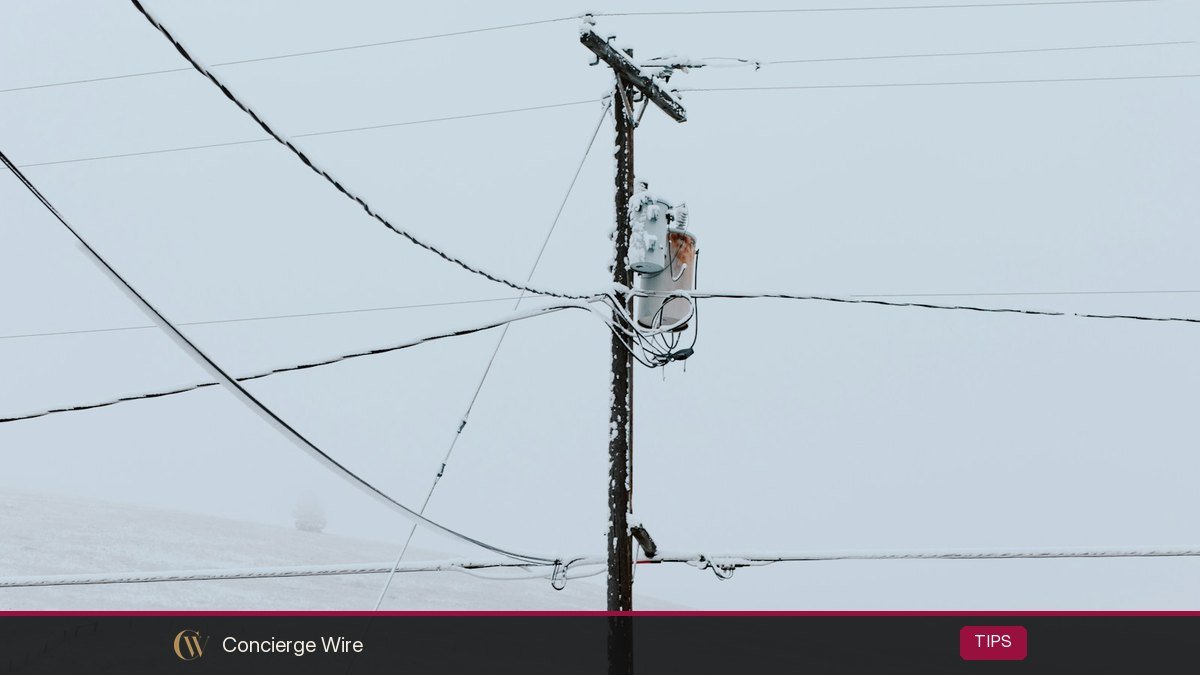
The best time to prepare for a winter power outage is before the first ice storm warning, when stores still have batteries, water and propane. This guide gives you a complete emergency kit checklist, the official generator and space heater safety rules from Ready.gov and the Consumer Product Safety Commission (CPSC), the food safety timeline for your fridge and freezer, and an hour-by-hour plan for the outage itself. Updated October 2026.
Key Takeaways
- Store at least one gallon of water per person per day for several days, plus non-perishable food, flashlights, batteries and a battery or hand-crank radio.
- Run a portable generator outdoors only, at least 20 feet from the house, never in a garage, basement, porch or carport. CPSC says nearly 100 people die each year in the US from carbon monoxide from portable generators.
- Install battery-operated or battery-backup carbon monoxide alarms on every level and outside sleeping areas, and test them monthly.
- A closed refrigerator keeps food cold for about 4 hours; a full freezer holds its temperature for about 48 hours. Throw out perishables that sat at 40°F or above for two hours or more.
- Never heat your home with a gas stove, oven or charcoal grill. If the house gets dangerously cold, go to a warming center.
Winter outage quick answer
| Question | Official guidance |
|---|---|
| How much water to store? | One gallon per person per day, for several days (Ready.gov) |
| How far from the house should a generator be? | At least 20 feet, exhaust pointed away from windows, doors and vents (CPSC) |
| Can I run a generator in the garage with the door open? | No. Opening doors or windows does not provide enough ventilation (CPSC) |
| How far should a space heater be from things that burn? | At least 3 feet on all sides (CPSC) |
| Plug a space heater into a power strip? | No, plug it directly into a wall outlet (CPSC) |
| How long does a closed fridge stay cold? | About 4 hours (Ready.gov) |
| How long does a full freezer stay frozen? | About 48 hours (Ready.gov) |
| When to discard food? | Perishables at 40°F or higher for two hours or more, or with an odd smell, color or texture (Ready.gov) |
Why winter outages are more dangerous
A summer outage is miserable; a winter outage can be deadly. Heavy snow and ice snap branches onto lines, and repairs take longer when crews are working in freezing conditions on blocked roads. Meanwhile, people reach for unsafe heat sources. The CPSC’s winter weather safety release reports that an average of nearly 100 people in the US die each year from carbon monoxide poisoning caused by portable generators. Carbon monoxide has no smell or color, which is why alarms matter more than any other item on this list.
The winter emergency kit checklist
The Ready.gov basic kit list is the foundation. The second list adds the winter and outage-specific items most households forget.
Ready.gov basic kit
- Water: one gallon per person per day for several days, for drinking and sanitation
- Non-perishable food for several days
- Battery-powered or hand-crank radio, and a NOAA Weather Radio with tone alert
- Flashlight (one per person is ideal) and extra batteries
- First aid kit
- Whistle to signal for help
- Dust mask, plastic sheeting, scissors and duct tape
- Moist towelettes, garbage bags and plastic ties for sanitation
- Wrench or pliers to turn off utilities
- Manual can opener
- Local maps
- Cell phone with chargers and a backup battery
Winter and outage add-ons
- Sleeping bags or heavy blankets rated for cold, one per person
- Thermal layers, wool socks, hats and gloves for everyone
- Battery-powered lanterns and battery candles (safer than real candles)
- Power banks charged to 100%, plus a car charger
- Battery-operated or battery-backup carbon monoxide alarms and smoke alarms
- Fire extinguisher rated for home use
- Appliance thermometers for the fridge and freezer
- Coolers and a plan for ice
- An extra supply of prescription medicines (ask your pharmacist what is allowed), plus a plan for any that need refrigeration
- Rock salt or sand, a snow shovel, and an ice scraper
- Cash in small bills, since card readers and ATMs fail without power
- Printed list of phone numbers: utility outage line, doctors, neighbors, family
- Pet food, litter and extra water for pets
- Baby supplies if needed: formula, diapers, wipes
Food that needs no cooking
| Category | Good options | Watch out for |
|---|---|---|
| Protein | Canned tuna, chicken or beans, peanut butter, nuts, jerky | Allergies; buy pop-top cans or keep a manual opener |
| Carbs | Crackers, cereal, granola bars, tortillas, rice cakes | Rotate before expiry dates |
| Fruit and veg | Canned fruit, applesauce cups, dried fruit, canned vegetables | High-salt soups if water is limited |
| Drinks | Shelf-stable milk, juice boxes, electrolyte drinks | Count these as extra, not part of your water supply |
| Comfort | Chocolate, cookies, instant coffee or tea (if you can safely boil water) | Never cook indoors on a camp stove or grill |
Generator safety: the rules that save lives
Ready.gov and CPSC agree on the core rules. Treat every one as non-negotiable.
- Outdoors only. Never run a generator in a home, garage, basement, crawlspace, shed or other enclosed space, even with doors or windows open.
- At least 20 feet away. Place it at least 20 feet from the house, not on a porch or in a carport, with the exhaust pointed away from windows, doors and vents. Close nearby windows.
- Keep it dry. Ready.gov warns that touching a wet generator or devices connected to it can cause electric shock. Follow the manufacturer’s guidance for operating in rain or snow.
- Use heavy-duty extension cords rated for the load, and run appliances from the generator through those cords.
- Let it cool before refueling. Fuel spilled on hot engine parts can ignite. Store fuel outside the living area in approved containers.
- Look for CO shut-off. CPSC advises buying models with a carbon monoxide shut-off feature that turns the engine off when CO builds up nearby.
- No backfeeding. Never plug a generator into a wall outlet to power the house. Whole-home connections need a transfer switch installed by a licensed electrician.
If a CO alarm sounds, do not ignore it. CPSC says to get outside immediately and call 911. Symptoms of CO poisoning, such as headache, dizziness and nausea, are easy to mistake for flu.
Space heater and home heating safety
Portable heaters keep one room livable when the furnace is down, but they cause fires when misused. CPSC’s rules:
- Keep all sides at least 3 feet from beds, clothes, curtains, papers, sofas and anything else that can burn.
- Place it on a stable, level surface.
- Plug electric heaters directly into a wall outlet, never a power strip, and never run the cord under a rug.
- Never leave a heater running unattended in a confined space.
- Keep children and pets away.
Ready.gov adds the most important “never”: do not use a gas stove or oven to heat your home. It raises the risk of carbon monoxide poisoning, fire and burns. The same goes for charcoal grills and camp stoves, which belong outdoors at least 20 feet from windows.
Staying warm without power
- Pick one interior room with few windows and close the doors to the rest of the house.
- Hang blankets over windows and roll towels against door gaps.
- Dress in loose layers and wear a hat indoors, including to bed.
- Eat and drink regularly; your body makes heat by digesting food.
- If the house becomes dangerously cold, go to a warming center or a friend’s home with power. Check your city or county website or call 211 for locations.
Food safety during and after an outage
The Ready.gov power outage guide gives the key numbers:
| Appliance | How long food stays safe if the door stays closed | What to do |
|---|---|---|
| Refrigerator | About 4 hours | Keep the door shut; after 4 hours, move key perishables to a cooler with ice |
| Full freezer | About 48 hours | Keep it closed; a half-full freezer warms faster, so group items together |
| Any perishable food | Discard if held at 40°F or higher for two hours or more | Check with an appliance thermometer, never by taste |
A few practical habits make the rules easier to follow:
- Keep appliance thermometers in the fridge and freezer year round so you know the real temperature when power returns.
- Freeze jugs of water now. They fill empty freezer space and become ice for coolers.
- In winter, it is tempting to put food outside. Snow and a cold porch are unreliable: sun and swings in temperature can push food above 40°F, and animals get into it. A cooler with ice is safer.
- When in doubt, throw it out. Discard anything with an unusual smell, color or texture.
Medicines and medical devices
Ready.gov advises that if power is out for more than a day, you should discard refrigerated medicines unless the label says otherwise, and contact your doctor or pharmacist for a replacement. If someone in your home relies on powered medical equipment, ask your provider for a written backup plan now, and register with your utility’s medical priority program if it offers one. Talk to a doctor or pharmacist about specific medicines.
Hour-by-hour plan when the lights go out
| When | What to do |
|---|---|
| First 15 minutes | Grab flashlights, check on family and pets, report the outage to your utility, check whether neighbors are out too |
| First hour | Unplug or switch off electronics and appliances to avoid surge damage, leave one lamp on so you know when power returns, close off unused rooms |
| Hours 1 to 4 | Keep fridge and freezer closed, set up your warm room, charge phones from power banks or the car (in an open-air driveway, never a closed garage) |
| After 4 hours | Move key perishables to coolers with ice, eat food from the fridge first, then the freezer, then pantry |
| Overnight | If running a generator, confirm it is 20+ feet away and CO alarms are working; never sleep in a room with a fuel-burning heater not designed for indoor use |
| Day 2 and beyond | Check on older neighbors, follow local updates on the radio, go to a warming center if the house falls to unsafe temperatures |
| Power returns | Plug appliances back in one at a time, check fridge and freezer temperatures, discard unsafe food and medicines |
Prep your home before the storm
- Test smoke and CO alarms and replace batteries.
- Have your furnace and chimney inspected, and clear snow from outside vents for furnaces and other fuel-burning appliances during storms, as CPSC recommends.
- Know how to open your garage door manually.
- Insulate exposed pipes, and learn where your main water shut-off is so you can drain lines if the house will be cold for days.
- Trim branches that hang over your roof or service line (call your utility for branches near power lines; do not do it yourself).
- Sign up for your utility’s outage text alerts and your county’s emergency alerts.
- Keep your car’s gas tank at least half full so you can drive to warmth and charge devices.
- If you run a small business, decide in advance who decides to close, how you will tell customers, and how you will protect stock that needs refrigeration.
Frequently Asked Questions
How long can a power outage last in a winter storm?
Most outages are restored within hours, but major ice storms can leave areas without power for several days or longer. Plan your kit for several days, which is how Ready.gov frames its water and food guidance.
Is it safe to run a generator in an open garage?
No. CPSC says never to run a generator inside a garage, even with the door open, because it does not provide enough ventilation. Place it outdoors at least 20 feet from the house.
Can I heat my house with my gas oven during an outage?
No. Ready.gov warns that using a gas stove or oven for heat raises the risk of carbon monoxide poisoning, fire and burns. Use safe indoor-rated heaters or go to a warming center.
How do I know if food in the fridge is still safe?
If the fridge stayed closed and the power was out for under about 4 hours, food is usually fine. Otherwise, use a thermometer: discard perishable food that was at 40°F or above for two hours or more, or that smells, looks or feels unusual.
Where should carbon monoxide alarms go?
CPSC recommends battery-operated or battery-backup CO alarms on each level of the home and outside sleeping areas, ideally interconnected so all of them sound together. Test them monthly.
Are battery candles really better than real candles?
Yes, for outages. CPSC recommends flashlights or battery-operated candles. If you do use real candles, keep them away from anything flammable and never leave them burning unattended or while you sleep.
Do these three things this weekend
Buy or test carbon monoxide alarms, put together the water, food and light basics from the checklist, and decide exactly where a generator would sit, at least 20 feet from the house. Those three steps cover most of the risk. Safety guidance is updated from time to time, so check Ready.gov and CPSC for the latest advice.