25 DIY Advent Calendar Ideas for Kids, Couples and Coworkers
Make your own advent calendar this year with 25 ideas for kids, couples and office teams, plus what to put inside and what it will cost.
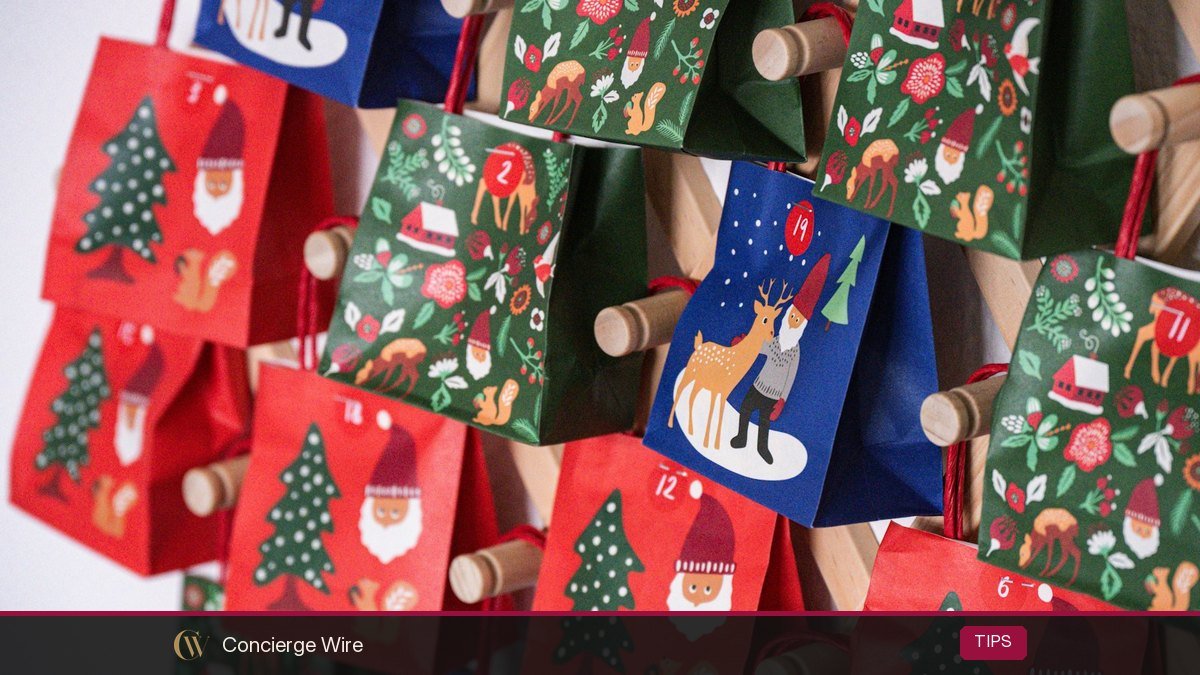
Most DIY advent calendars run from December 1 to December 24, so you need 24 small containers, 24 fillers and a weekend afternoon to put it together, ideally before November ends. Below are 25 DIY advent calendar ideas split into calendars for kids, couples and coworkers, with fill ideas for each, a budget table from under $25 to about $150, and a simple assembly plan.
Updated October 2026.
Key Takeaways
- Advent 2026 begins on Sunday, November 29, but most countdown calendars open on December 1 and finish on December 24.
- Mix fillers: about half small treats or items and half activities or notes keeps cost down and the countdown interesting.
- A kids’ calendar can cost under $25 using paper bags, envelopes and activity cards.
- For coworkers, keep fillers inclusive, low-cost and shareable, such as daily trivia, a team snack or a kindness challenge.
- For children under three, avoid small parts, magnets and loose button batteries in fillers.
Quick Answer: Advent Calendar Dates for 2026
| Question | Answer |
|---|---|
| When does Advent start in 2026? | Sunday, November 29, 2026 (First Sunday of Advent) |
| When do most advent calendars start? | December 1 (a Tuesday in 2026) |
| How many doors? | 24 (December 1-24); some calendars add a 25th for Christmas Day |
| Christmas Day 2026 | Friday, December 25 |
| When to finish making it | By Sunday, November 29, to be safe |
The U.S. Conference of Catholic Bishops’ 2026 liturgical calendar lists the First Sunday of Advent as November 29, 2026. If you want a calendar that follows liturgical Advent exactly, it would run from November 29 to December 24, which is 26 days. Most families and shops use the simpler December 1 start.
How to Choose the Right DIY Advent Calendar
Before buying anything, answer three questions:
- Who is it for? A five-year-old wants to open something physical every day. A partner may value an experience or note more. Coworkers need something quick, inclusive and low-cost.
- What’s your total budget? Divide it by 24. At $1 a day, you’re looking at notes, candy and activities. At $5 a day, small gifts become possible.
- How much time will you spend? Envelope and paper-bag calendars take about an hour. Wooden box or felt pocket calendars can take a weekend.
Pick a theme to tie it together
A theme makes shopping faster and the finished calendar look intentional. A few that work well:
- Cozy winter: cocoa packets, fuzzy socks, a candle, a board game night, a blanket fort evening.
- Get outside: a sledding or park day, a nature scavenger list, hand warmers, a bird feeder to fill together.
- Creative month: one small craft supply or drawing prompt a day, ending with a framed piece of art on December 24.
- Reverse advent calendar: instead of taking something out, add one item a day to a box, such as canned food, toiletries or warm socks, and donate the full box to a local food bank or shelter before Christmas. It costs about the same as a filled calendar and teaches kids that the season is about giving too. Call the charity first to ask what they need most.
Whatever theme you pick, write it on the first envelope or door so the person opening it knows what’s coming. Little touches like a handwritten tag on each day make even a budget calendar feel personal.
10 DIY Advent Calendar Ideas for Kids
- Paper bag line. Number 24 small paper bags, fill them, fold the tops and clip them to a length of twine with clothespins. Easy and cheap.
- Toilet paper roll wall. Glue 24 cardboard tubes into a pyramid or tree shape, seal the ends with tissue paper and number them. Kids punch through to open.
- Activity jar. Write one family activity on each of 24 folded slips: bake cookies, watch a holiday movie, drive around to see lights, make a card for a neighbor.
- Book-a-day stack. Wrap 24 books, including library books and favorites from your own shelves rewrapped, and open one each night at bedtime.
- Building-brick calendar. Split a small building set into 24 bags so the model comes together by Christmas Eve. Keep for ages that are past the small-parts stage.
- Felt pocket wall hanging. Sew or glue 24 felt pockets onto a large felt sheet. Reusable every year.
- Mini drawer tower. Glue 24 small slide-open craft boxes into a tower and decorate each drawer front.
- Kindness countdown. Each day is a small good deed: help set the table, donate a toy, draw a picture for grandparents.
- Puzzle calendar. Put a few pieces of a jigsaw puzzle in each envelope so the picture is finished on December 24.
- Scavenger hunt calendar. Each day’s envelope holds a clue leading to a small treat hidden somewhere in the house.
8 DIY Advent Calendar Ideas for Couples
- Date-night envelopes. 24 envelopes with small dates, from a hot cocoa walk to a home movie night. Put a couple of bigger ones on weekends.
- “Reasons I love you” jar. One handwritten note a day. Costs almost nothing and gets kept for years.
- Mini bottle or tasting calendar. Small bottles of hot sauce, olive oils, teas, coffees or, for adults who drink, miniature spirits.
- Memory lane photo calendar. Each door holds a printed photo from your time together with a line about that day.
- Self-care calendar. Face masks, a nice candle, bath salts, a favorite snack, a “you choose the movie” coupon.
- Playlist calendar. One song a day with a note on why it reminds you of them, all added to a shared playlist.
- Cocktail or mocktail kit. One recipe card and a small ingredient or garnish each day.
- Coupon book countdown. “Breakfast in bed,” “I’ll do the dishes for a week,” “Sleep in Saturday,” and so on.
7 DIY Advent Calendar Ideas for Coworkers and Teams
An office advent calendar is a cheap way to add some cheer in December. Keep it voluntary and inclusive: many teams call it a “December countdown” so everyone can take part regardless of what they celebrate.
- Trivia countdown. One question a day on a board or team chat. Track points and give a small prize on the last working day.
- Snack drawer calendar. 24 numbered drawers or bags with individually wrapped snacks for the team. Rotate a different person each day to open it.
- Gratitude wall. Each day one person writes a thank-you note to a colleague and pins it up.
- Random act of kindness calendar. Daily challenges: buy a coworker a coffee, write a client thank-you, tidy the shared kitchen.
- Learning calendar. One short tip a day: a keyboard shortcut, a tool feature, a two-minute tutorial.
- Charity countdown. Each day names an item for a team donation box, such as canned goods, socks or toiletries, for a local shelter or food bank.
- Virtual calendar for remote teams. A shared slide deck with 24 locked or hidden slides revealed each morning: a joke, a photo challenge, a fun poll.
That’s 25 ideas. Pick one that matches your time and budget, then use the fill ideas below.
What to Put Inside: Fill Ideas by Audience
| Audience | Free or almost free | Small cost ($1-$3) | Treat days ($5+) |
|---|---|---|---|
| Young kids (3-6) | Activity cards, coloring pages, “stay up 15 minutes late” ticket | Stickers, crayons, mini play dough, bubbles | A small book, puzzle, ornament they choose |
| Older kids (7-12) | Jokes, riddles, scavenger clues, screen-time coupon | Trading cards, gel pens, hair ties, slime | Craft kit, card game, building set |
| Teens | “Skip a chore” pass, playlist, inside jokes | Lip balm, phone stand, candy, socks | Gift card, earbuds case, hoodie |
| Partners | Love notes, photos, coupons | Tea, chocolate, face masks, snacks | Concert or movie tickets, a nice bottle, a cookbook |
| Coworkers | Trivia, kindness challenges, tips | Wrapped candy, tea bags, pens | Team lunch, coffee gift card raffle |
| Anyone who loves food | Recipe cards | Spices, hot cocoa packets, cookies | Specialty chocolate, olive oil |
Tips for filling all 24 days
- Plan on paper first. List the 24 days and assign a filler to each before you shop.
- Put bigger fillers on weekends when there’s time to enjoy an activity.
- Line up activities with your calendar. Put “decorate the tree” on the day you actually plan to do it, and “see the lights” on a clear evening.
- Keep December 24 special. New pajamas, a Christmas Eve book or a handwritten letter make a strong finish.
- Have two spare fillers in case a day gets swapped or something breaks.
Budget Table: What a DIY Advent Calendar Costs
Costs below are rough estimates for planning and will vary by store and region.
| Budget level | Container idea | Container cost | Filler cost (24 days) | Total estimate |
|---|---|---|---|---|
| Under $25 | Envelopes or paper bags on twine | $5-$8 | $10-$15 (mostly notes and activities, some candy) | $15-$25 |
| $25-$60 | Felt pockets or toilet paper roll tree | $10-$15 | $20-$45 (half small items, half activities) | $30-$60 |
| $60-$100 | Craft drawer tower or wooden box kit | $20-$35 | $40-$65 (small item most days) | $60-$100 |
| $100-$150 | Reusable wooden house or tin calendar | $35-$60 | $65-$90 (small gifts, a few treat days) | $100-$150 |
Ways to save
- Reuse the container every year. A good felt or wooden calendar pays off by year two.
- Buy fillers in multipacks and split them across days.
- Use the library for a book-a-day calendar.
- Use activities and notes on at least half the days.
- Shop discount and dollar stores early in November before seasonal stock runs low.
How to Assemble It, Plus Safety Tips
A one-afternoon assembly plan
- Gather supplies: 24 containers, number stickers or a marker, tape or glue, twine or a base, and your fillers.
- Number everything first. Mix the order if you want the calendar to look playful, but keep numbers large and clear for kids.
- Fill by your plan, checking each day off the list.
- Seal and hang. Display it where it’s easy to reach and unlikely to be knocked down by pets.
- Photograph your plan in case you forget which day holds what.
Safety for young children
For toddlers and young kids, choose fillers carefully. The Consumer Product Safety Commission’s holiday safety guidance says to keep balls and toys with small parts away from children under three and to keep deflated balloons away from children under eight. Also avoid small magnets and button batteries, which can be dangerous if swallowed, and check the age labels on any small toys. Hang heavy calendars securely so they can’t fall.
For coworkers
Ask about allergies before running a food calendar, label items with common allergens, and keep prizes low-cost so nobody feels pressure to contribute money.
Frequently Asked Questions
When should you start an advent calendar in 2026?
Most advent calendars start on December 1, which is a Tuesday in 2026, and finish on December 24. If you follow the church calendar, Advent itself begins on Sunday, November 29, 2026.
How many days are in an advent calendar?
Most have 24 days, from December 1 to December 24. Some include a 25th door for Christmas Day, and liturgical Advent calendars that start on the First Sunday of Advent run 26 days in 2026.
What can I put in an advent calendar instead of candy?
Activities, notes, jokes, stickers, small books, puzzle pieces, coupons, family outings, kindness challenges and craft supplies all work well. Mixing these with a few treats keeps costs down.
How much does a DIY advent calendar cost?
A simple paper bag or envelope calendar filled mostly with activities can cost under $25. Calendars with a small item every day typically run $60 to $150, depending on the container and fillers.
Is an advent calendar a good idea for an office?
Yes, if it’s voluntary and inclusive. Trivia, gratitude notes, kindness challenges and team snacks work better than individual gifts, and calling it a December countdown welcomes everyone.
Can I make an advent calendar at the last minute?
Yes. An envelope calendar with handwritten activities or notes takes under an hour. If you’re late, put the first week’s envelopes up and finish the rest during the week.
Make It This Weekend
Pick one idea from the list, write out your 24 fillers on paper, and shop for containers by mid-November while seasonal craft stock is still on the shelves. If you finish by November 29, you’ll have a calendar ready for December 1 and maybe a head start on making it a family or office tradition that comes back every year.