Local Sponsorship Ideas That Earn Press for Small Businesses
Local sponsorships earn coverage when they create a story. Here are 20 ideas, a scorecard, contract terms and a three-wave announcement plan.
Local sponsorships earn press when they create a story, not just a logo on a banner. This guide gives you 20 sponsorship ideas across youth sports, community events and charities, a scorecard for choosing the right one, the contract terms to put in writing, and a step-by-step plan for announcing the partnership so local reporters, customers and your town actually notice.
Key Takeaways
- Sponsor where your customers already are. A plumber gets more from the Little League field than from a downtown gala, and a boutique often the opposite.
- Media covers people and outcomes: a new scoreboard, a scholarship winner, a cleanup that filled 40 bags. Build one measurable outcome into every sponsorship.
- Put the deal in writing: what you pay, the deliverables, logo use, deadlines, cancellation and who approves announcements.
- Under IRS rules, a nonprofit’s “acknowledgment” of a sponsor (name, logo, address, neutral product line) is treated differently from advertising (price, quality claims, calls to buy). Know which you are getting.
- Announce in three waves: the partnership, the event itself and the results.
Why local sponsorship works for small businesses
National brands buy stadium names. Small businesses can buy something more valuable for a few hundred dollars: being part of the town’s story. Local sponsorships put your name in front of parents, neighbors and community leaders in a setting where they are already feeling good. They also give local reporters, newsletter editors and community Facebook groups a reason to mention you that is not an ad.
The catch is that most sponsorships stop at “logo on the back of a T-shirt.” That buys awareness but rarely coverage. Coverage comes when the sponsorship creates something new, solves a visible problem or features real people. Keep that test in mind as you read the ideas below.
20 local sponsorship ideas that can earn press
Youth sports
- Team jersey sponsor plus a season-end “most improved” award that you present in person. The award gives a photo and a name to mention.
- Fund new equipment such as a scoreboard, batting cage nets or a defibrillator for the field. Equipment is a tangible story with a ribbon-cutting.
- Cover registration fees for a set number of families who cannot afford them, coordinated privately by the league.
- Sponsor a free coaching clinic with a local high school or college coach.
- Healthy snack or water station sponsor for tournament weekends, a natural fit for grocers, cafes and dentists.
- Referee or umpire training scholarships, since many youth leagues struggle to find officials.
Community events
- Presenting sponsor of a farmers market season, with a booth once a month.
- Holiday lights or parade sponsor, with a float or a named award (“Best Decorated Block”).
- Summer concert or movie-in-the-park night, introduced on stage by the owner.
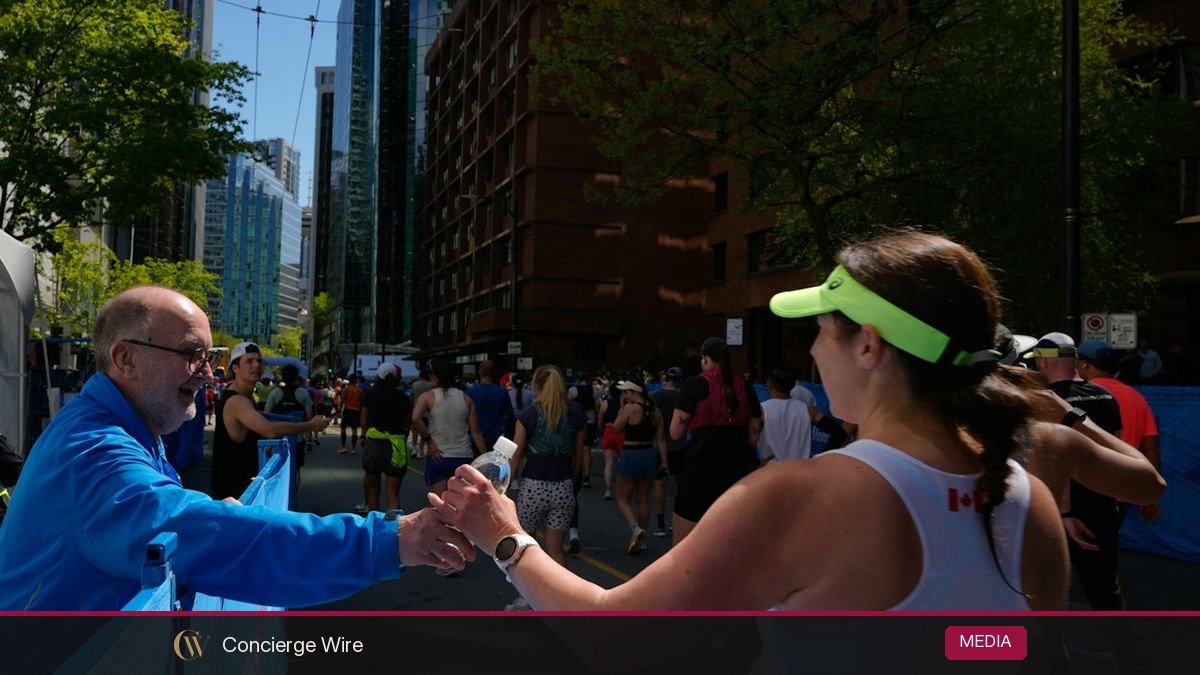
- 5K or fun run water station, staffed by your team in branded shirts.
- Library reading challenge prizes for kids or adults who finish a set number of books.
- Small business or makers fair that features other local businesses, which earns goodwill with your peers.
- Neighborhood cleanup day with gloves, bags and lunch provided, plus a tally of what was collected.
Charities and causes
- Matching gift for a local food bank during a set week, with a public total.
- Coat, book or school supply drive hosted at your location.
- Student scholarship at a local high school or community college in your trade.
- Animal shelter adoption day sponsor, with adoption fees covered.
- Senior center program such as tech-help sessions run by your staff.
- Veterans’ organization event or a hiring fair co-hosted with them.
- Arts sponsorship: a mural, a high school play or a community theater season.
How to choose: a sponsorship scorecard
Most owners say yes to whoever asks first. Score each request instead. Rate each factor 1 to 5 and total it; anything under 20 is usually a polite no.
| Factor | Question to ask | Score (1 to 5) |
|---|---|---|
| Audience fit | Are the attendees or families my likely customers? | |
| Story potential | Is there a new thing, a person, or a number a reporter would care about? | |
| Visibility | Where will my name appear, for how long and to how many people? | |
| Participation | Can my team show up, volunteer or present something? | |
| Values match | Would my customers and staff be proud of this? | |
| Organizer reliability | Have they run it before? Do they communicate clearly? | |
| Cost per result | Is the price reasonable for what I get, compared with other options? |
For example, an illustrative HVAC company in a Midwestern suburb might score “fund a defibrillator for the youth soccer complex” at 30 out of 35: families are homeowners, the story has a lifesaving angle, staff can attend the handover, and the league is well run. A request to put a logo in a regional gala program might score 15.
Set a sponsorship budget
Decide on an annual total and split it into one anchor sponsorship you repeat every year and two or three smaller ones. Repeating the same anchor builds recognition (“the bakery that sponsors the spring parade”) far better than scattering small checks.
| Tier | Typical share of budget | Example |
|---|---|---|
| Anchor | About half | Season-long youth league sponsor with a named award |
| Seasonal | About a third | Holiday parade float or summer concert |
| Quick yeses | The rest | School raffle prizes, small charity drives |
Contract basics: what to put in writing
Even a $300 sponsorship deserves a one-page agreement or a clear email both sides confirm. Include:
- Parties and dates: who is sponsoring whom, for which event or season.
- Amount and payment schedule: cash, in-kind goods or services, and due dates.
- Deliverables: logo placements, banner size, social posts, speaking slot, booth space, number of event tickets.
- Logo and name use: approval rights for both sides, and that you supply the artwork file.
- Announcement rights: who announces first, and who approves press materials and quotes.
- Exclusivity: whether competitors in your category can also sponsor.
- Cancellation and refunds: what happens if the event is canceled, postponed or the season is cut short.
- Insurance and liability: especially if your staff will volunteer or you provide equipment.
- Photos and minors: how the organizer handles photo consent for children. Never post kids’ photos without the organizer’s confirmation that parents agreed.
- Reporting: attendance figures, photos and impact numbers they will share afterwards.
Have your attorney review larger or multi-year agreements. Rules and liability issues vary by state.
The IRS line between acknowledgment and advertising
When you sponsor a nonprofit, how they thank you matters for their taxes, and it shapes what you can ask for. The IRS explains in “Advertising or qualified sponsorship payments?” that acknowledgment generally includes your name, logo or slogan without comparative or quality claims, your location, phone number or web address, and value-neutral descriptions of your products. Messages with price information, quality or comparison claims, endorsements or calls to buy are advertising. A message that mixes the two is treated as advertising.
IRS Publication 598 also notes that a payment contingent on attendance levels is not a qualified sponsorship payment. In practice:
- “Scoreboard provided by Smith Heating and Cooling, smithhvac.com” is acknowledgment.
- “Smith Heating: lowest prices in town, call for 20% off” is advertising.
Most small sponsors are happy with acknowledgment, and it keeps life simple for the charity. If you want advertising, ask the organizer how they handle it. Whether your payment is a deductible business expense or a charitable contribution depends on the details, so check with your tax professional.
How to announce your sponsorship
Plan announcements in three waves. Each one is a separate chance to be mentioned.
Wave 1: the partnership
- Agree with the organizer on the date and who posts first. Usually the organizer announces and you share.
- Post on your social channels and email list with one photo: you and the organizer, or the thing you are funding.
- Add a line to your website’s news or community page.
- Send a short note to local outlets: the community editor at your newspaper, neighborhood newsletters, the chamber of commerce and local radio. If the story is substantial, such as new equipment, a scholarship or a large donation, a short press release is reasonable; see these press release examples for the format.
Wave 2: the event
- Invite the local paper and TV station to the visual moment: the ribbon-cutting, the check presentation, the first game under the new scoreboard. Send a short media advisory a few days before with time, place and photo opportunity.
- Assign one staff member to take photos and short video.
- Post live, tag the organizer and use the event’s hashtag.
Wave 3: the results
- Share the outcome with numbers: “Our coat drive collected 312 coats for the shelter,” or “38 kids played this season on fee waivers.”
- Thank volunteers by name (with permission).
- Send the results to the reporters you contacted earlier. Results stories are easier for them to run.
For tips on getting reporters to show up, read our guide on how to get local news coverage.
Announcement template
Subject: [Business] funds [new thing] for [organization], unveiling [date]
[Business], a [type of business] in [town] since [year], is [funding / sponsoring] [specific thing] for [organization], which serves [number] [people/families] in [area]. The [thing] will be unveiled at [event] on [date] at [time] at [place].
“[One-sentence quote from the owner about why it matters to the community, not about the business],” said [name], owner of [business].
“[One-sentence quote from the organization about the impact],” said [name], [title] at [organization].
Photo opportunity: [what will be visual]. Contact: [name, phone, email].
Making sponsorship pay off long term
- Show up in person. The owner handing over a trophy beats any banner.
- Repeat your anchor every year. Recognition compounds.
- Track results: use a dedicated landing page or tagged link, a “mention the league” offer, or a simple “how did you hear about us” question at checkout. A UTM builder makes tagged links easy.
- Keep a sponsorship log with dates, costs, coverage earned and customer comments, so next year’s decisions are based on evidence.
- Thank the organizer publicly and privately. Good relationships lead to better placement next year.
Mistakes to avoid
- Saying yes to every request until the budget is gone by March.
- Paying without a written list of deliverables.
- Making it all about your business in announcements. The community is the hero of the story.
- Posting photos of children without confirmed parental consent.
- Sponsoring causes that split your customer base on hot-button issues, unless that is a deliberate choice you are ready to stand behind.
- Forgetting the results announcement, which is often the most newsworthy part.
Frequently Asked Questions
How much should a small business spend on local sponsorships?
There is no standard figure. Many owners treat sponsorship as part of the marketing budget and set a fixed annual amount, then split it between one anchor sponsorship and a few smaller ones. Start small, track results and increase what works.
Is a sponsorship tax deductible?
It can be, either as a business expense or a charitable contribution, depending on the arrangement and what you receive. Tax rules change, so ask your tax professional before you count on a deduction.
How do I get the local newspaper to cover my sponsorship?
Give them a real story: something new, a person, a number and a good photo. Contact the community or local news editor a week ahead, invite them to the visual moment, and follow up with results afterwards.
Should I sponsor youth sports or a charity event?
Choose based on audience fit. Youth sports reach local parents and homeowners again and again through a season. Charity events often reach business owners and community leaders. Use the scorecard to compare.
What is the difference between sponsorship acknowledgment and advertising?
Per the IRS, acknowledgment identifies the sponsor (name, logo, address, neutral product descriptions). Advertising promotes, with prices, quality or comparison claims, or calls to buy.
Do I need a written sponsorship agreement for a small amount?
Yes, at least a confirming email that lists the amount, deliverables, logo use, announcement approvals and what happens if the event is canceled.
Pick one anchor this year
Look at the requests in your inbox, score them, and choose one sponsorship you can repeat every year with a visible outcome. Get the terms in writing, show up in person and announce it in three waves. That is how a few hundred dollars becomes a story your town remembers.