Trade Show PR Checklist for Small Businesses
A step-by-step PR plan for trade shows and conferences, from pre-show media outreach and press kits to booth announcements and follow-up emails.
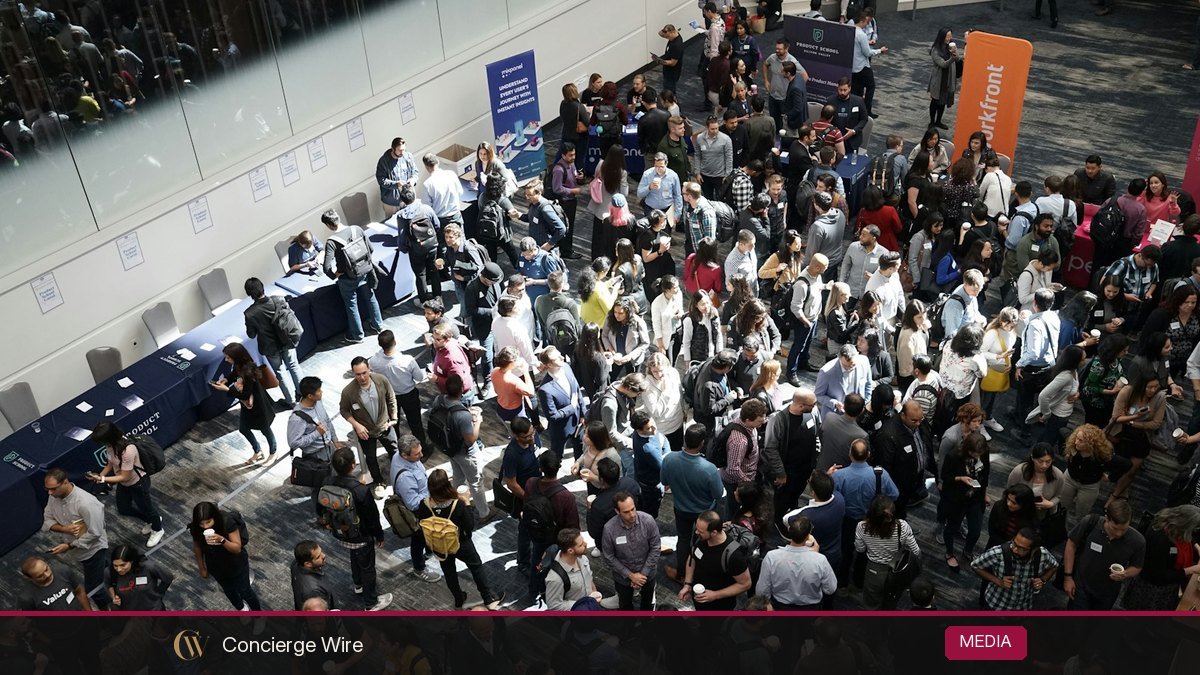
A trade show booth costs real money, and most small businesses get far less press out of it than they could. This checklist walks you through the PR side of an exhibition or conference, from eight weeks out to two weeks after the show: finding the media list, pitching reporters, making a booth announcement, building a press kit that works on a phone, and following up so the coverage keeps coming after the carpet is rolled up.
Key Takeaways
- Start PR six to eight weeks before the show. Trade reporters fill their meeting calendars early, and show organizers’ news programs have deadlines.
- Have one real piece of news to announce at the show: a launch, a partnership, a customer milestone or data. “Visit us at Booth 412” is not news.
- Build a digital press kit (one web page or shared folder) with a QR code at the booth. Printed folders mostly end up in hotel trash cans.
- Assign one person to own media during the show so reporters never wait at the booth.
- Follow up within 48 hours, and turn show content into posts, case studies and a recap for weeks afterward.
Why PR planning belongs in your trade show budget
Most exhibitors spend months on booth design, shipping and giveaways, then think about media the week before. By then, the trade publications have booked their interviews and the show’s own newsroom has closed submissions. The fix is simple: treat PR as a line item with its own timeline, owner and goal.
Set a goal you can measure. For a small company that might be “five reporter or analyst meetings booked before the show, two articles or mentions within a month, and 50 qualified leads from the announcement page”. Trade shows remain a major channel for B2B buyers, and industry research groups such as the Center for Exhibition Industry Research (CEIR) track attendance and spending if you need data to justify the budget internally.
If you plan to exhibit at an international show, check whether your state participates in the SBA’s State Trade Expansion Program (STEP). STEP funds can help eligible small businesses pay for export trade show exhibits and related costs, and you apply through your state’s trade office, not directly to the SBA. The International Trade Administration also lists U.S.-supported events in its trade events search.
8-6 weeks before: pick your news and your targets
Decide what you are announcing
Reporters at a trade show are flooded with “come see us” emails. The exhibitors who get coverage give them something to write. Good trade show news includes:
- A new product, version or service launched on the show floor.
- A partnership, distribution deal or notable new customer (with permission to name them).
- Original data: a survey of your customers or a benchmark from your own anonymized numbers.
- A live demo of something visual or new to the industry.
- An award, certification or milestone (first international order, 1,000th install).
If you truly have no news, build an expert angle instead: offer your founder or engineer as a source on a trend the show is covering.
Build the media list
- Ask the organizer for the registered media list. Many shows share it with exhibitors a few weeks out, sometimes only names and outlets. Ask early.
- List the trade publications in your industry. Search for last year’s show coverage and note the bylines.
- Add local business press. A local business journal or TV station may cover “local company exhibits at national show” if you have a hometown angle.
- Include analysts, podcasters and newsletter writers. In many niches they influence buyers as much as reporters.
- Keep it short. Twenty well-chosen contacts beat 300 random ones.
Check the show’s media opportunities
Most larger shows offer exhibitors some combination of: a press release or news submission to the show newsroom, a listing in a “new products” showcase, a press room where you can leave materials, speaking slots and award entries. Each has its own deadline. Put them all on one calendar.
4-3 weeks before: pitch and prepare
Pitch email template
Subject: [Show name] meeting: [one-line news hook]
Hi [Name],
I saw your coverage of [specific article] last year. At [show name] in [city], [Company] will [launch / announce / demo] [news in one sentence]. It matters to [their readers] because [reason in one sentence].
Would you have 15 minutes at Booth [number] on [day] at [time options]? I can also share embargoed details and images in advance.
[Your name], [title], [mobile number]
Keep pitches under 150 words, personalize the first line, and offer specific times. Send a single short follow-up five to seven days later if you do not hear back; do not send more than that.
Write the announcement
Write the news release or announcement post now, while you have time, and get any partner approvals. If the news is embargoed until show day, say so clearly at the top and give the exact date and time zone. Our guides on how to write a press release and writing a press release headline cover structure; for trade show news, put the show name and booth number in the last paragraph, not the headline.
Prep your spokesperson
- Three key messages, each one sentence.
- One customer story they can tell in 30 seconds (with permission).
- Answers to the hard questions: price, competitors, delays, funding.
- A practice run with a colleague playing a skeptical reporter.
Build a press kit that works on a phone
Reporters at shows work from their phones. A digital press kit, one page on your site or a shared folder, is easier to use and update than a printed folder. Put a QR code to it on a small sign at the booth and in every pitch email.
| Press kit item | What to include | Format tip |
|---|---|---|
| Announcement | The show news release or announcement | Web page plus PDF |
| Company fact sheet | Founded, HQ, team size, customers, what you do in two sentences | One page, scannable |
| Product sheet | Features, pricing (or “from $X”), availability date | Bullets, no jargon |
| Images | High-resolution product shots, logo, founder headshot | JPG and PNG, labelled with captions and credits |
| Video | 60-90 second demo | Hosted link, not a large file |
| Bios | Spokesperson bios, 50-100 words each | Include title and expertise |
| Media contact | Name, mobile, email, availability during show | Top and bottom of the page |
Bring a handful of printed one-page fact sheets for the press room, plus a USB-free backup: everything in the kit should also live at a short URL you can say out loud.
If you need inspiration for the release itself, our collection of press release examples shows how other companies structure product and partnership news.
1 week before: confirm and rehearse
- Confirm every media meeting by email with booth number, time and the spokesperson’s mobile number.
- Create a one-page media schedule for the booth team.
- Test the QR code, press kit link and demo on a phone over cellular data.
- Prepare social posts for the announcement and schedule them for the embargo lift.
- Pack a “media kit box”: business cards, printed fact sheets, chargers, a quiet-corner plan for interviews.
- Brief the whole booth team: if anyone with a press badge stops by, call the media owner immediately.
At the show: run media like a schedule, not a hope
Booth announcement
Time your announcement to the show’s opening morning or the slot the organizer recommends, when reporters are filing their first stories. Publish the release on your site and newsroom, submit it to the show newsroom, post it on LinkedIn and email it to your media list at the same moment.
Make the booth match the news. A large, simple sign (“New: [product name]. Live demo every hour”) does more than a wall of features. Schedule demos on the hour so you can tell reporters and visitors exactly when to come back.
Media owner duties
- Greet reporters by name; walk them to the spokesperson right away.
- Keep interviews to the agreed time and offer follow-up materials on the spot via the QR code.
- Take notes on what each reporter asked and what you promised to send.
- Visit the press room each morning to drop fact sheets and check for new media.
- Walk the floor and attend sessions where relevant reporters are present; introduce yourself briefly and do not hard-pitch in session rooms.
- Capture photos and short video clips of the booth, demos and any speakers for later use.
Things to avoid
- Handing reporters to whoever is free. Reporters remember being left waiting.
- Promising information you cannot share yet, such as customer names without permission.
- Over-scheduling the spokesperson so they arrive late and flustered.
After the show: follow up within 48 hours
The days right after a show are when stories get written. Reporters need the image, quote or number you promised, and they need it before they move on to the next event.
- Within 24 hours: Send every reporter you met the materials you promised, plus one line thanking them.
- Within 48 hours: Email reporters who could not make it with a short recap and an offer of a phone interview.
- Within one week: Publish a show recap post with photos, key takeaways from sessions and your announcement. This becomes a useful page for prospects who missed the show.
- Within two weeks: Turn the content into more posts: a demo video clip, a customer quote, a short “what we heard at the show” article.
- Within a month: Track coverage, add it to your website’s news page, and record what worked in a short debrief.
Post-show follow-up email template
Subject: Images and details from [Company] at [show]
Hi [Name], thanks for stopping by Booth [number] yesterday. As promised, here are [high-resolution images / the pricing sheet / the customer contact]: [link]. Happy to set up a 10-minute call with [spokesperson] if you need anything else for your piece. [Your name], [mobile]
The full trade show PR checklist
| When | Task | Owner |
|---|---|---|
| 8-6 weeks | Pick the news, set PR goals, request media list, note show deadlines | Marketing lead |
| 6-4 weeks | Build 20-contact list, submit to show newsroom/award programs | Marketing lead |
| 4-3 weeks | Send pitches, draft announcement, get approvals, prep spokesperson | Marketing + founder |
| 2 weeks | Finish digital press kit and QR sign; follow up on pitches once | Marketing |
| 1 week | Confirm meetings, booth media schedule, test links, schedule social posts | Media owner |
| Show day 1 | Publish announcement, press room drop, run meetings | Media owner + spokesperson |
| During show | Daily press room check, capture content, log promises | Media owner |
| +24-48 hours | Send promised materials, recap to absent reporters | Media owner |
| +1-4 weeks | Recap post, repurpose content, track coverage, debrief | Marketing |
Frequently Asked Questions
How early should I contact media before a trade show?
Start four to six weeks before for trade publications and send a short follow-up about a week later. For major shows, some reporters book meetings even earlier, so earlier is safer if you have firm news.
Do I need a press release for a trade show?
Only if you have real news. A launch, partnership or data deserves a release that can go to the show newsroom and your media list. If you only want booth traffic, a short email invitation and social posts are more appropriate.
What should a trade show press kit include?
The announcement, a company fact sheet, a product sheet, high-resolution images, a short demo video link, spokesperson bios and a media contact. Host it online and share it with a QR code.
Should I put the booth number in the headline?
Usually not. Reporters care about the news, not the location. Put the show name and booth number near the end of the release and in your pitch emails.
How do I measure trade show PR results?
Count media meetings, resulting articles or mentions, visits and leads from your announcement page (tag the link with UTM parameters), and new contacts added to your media list. Compare against the goal you set before the show.
Can a small company really get coverage at a big show?
Yes, if the news is specific and useful to the publication’s readers and you make it easy: clear pitch, scheduled time, ready images and quick follow-up. Trade reporters often look for smaller companies with fresh ideas to balance coverage of big brands.
Your first step this week
Open the show’s exhibitor manual, find every media deadline and put them on one calendar, then write down the one piece of news you will announce. With those two things in place, the rest of this checklist becomes a schedule you can actually follow.