Thought Leadership for B2B Founders: Op-Eds, Data and Speaking
How B2B founders can build a defensible point of view and earn media attention through op-eds, original data and speaking, in about four hours a week.
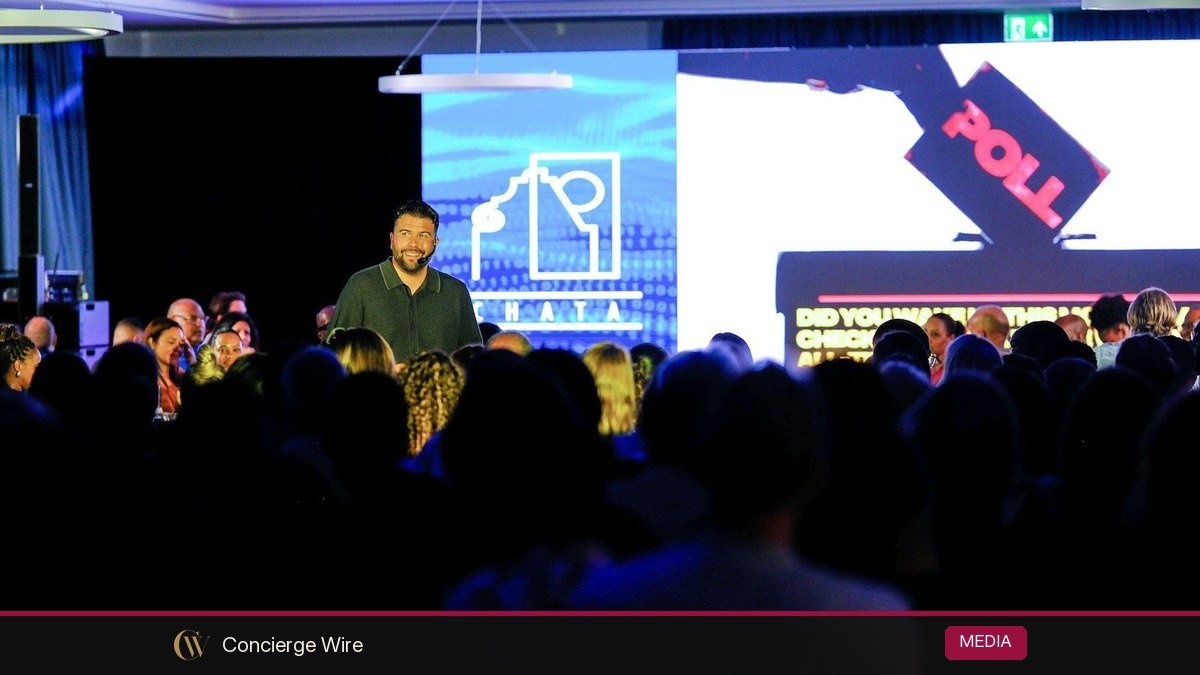
Thought leadership for a B2B founder means publishing a clear, well-argued point of view that your buyers find useful, and backing it with evidence journalists and conference organizers can trust. This guide shows you how to pick a defensible position, turn it into op-eds, original data and speaking slots, and run the whole thing in about four hours a week without a PR team.
Key Takeaways
- Thought leadership starts with a specific, arguable point of view, not with content volume.
- Original data is the fastest way for a small company to earn media attention, because reporters need numbers they cannot get elsewhere.
- Op-eds work best when they are tied to news, run 600 to 900 words, and argue one idea.
- Speaking slots come from small stages first: podcasts, webinars, local meetups and industry panels.
- A repeatable weekly routine beats a burst of activity followed by silence.
What Thought Leadership Actually Is (and Isn’t)
Most “thought leadership” is neither. It is a founder’s LinkedIn post restating what everyone in the industry already believes, or a blog post that is really a product brochure with a longer intro. Buyers can tell.
Real thought leadership has three features:
- A point of view someone could disagree with. “Customer success matters” is not a position. “Most SaaS companies under $5 million in revenue should not hire a customer success team yet” is.
- Evidence from your own work. Patterns you have seen across clients, data from your product, or lessons from a mistake you made.
- Usefulness to the buyer. The reader leaves with a better way to make a decision, even if they never buy from you.
That last point is why this works commercially. Research from LinkedIn and Edelman’s 2024 B2B Thought Leadership Impact Report found that 75% of decision-makers and C-suite executives said thought leadership had prompted them to research a product or service they had not been considering. The same research found 55% of decision-makers named strong research and data as a top trait of quality thought leadership, and fewer than half rated the overall quality of what they read as good. The bar is lower than you think, and the payoff for clearing it is real.
Step 1: Find Your Defensible Point of View
Before you write anything, spend an afternoon on this. Your point of view is the thread that ties every op-ed, talk and interview together, so journalists and audiences remember you for one thing.
The “unpopular truth” exercise
Answer these questions in writing, quickly and honestly:
- What does your industry get wrong that you see every week?
- What advice do your customers get from others that you think is bad?
- What did you believe three years ago that you no longer believe?
- What do you know from your data or client work that most people are guessing about?
- What would you say at a conference if nobody could fire you?
Look for an answer that passes three tests: you can defend it with evidence, it matters to your buyer, and a reasonable person could argue the other side. That last test is what makes it newsworthy.
An illustrative example
Imagine a founder of a small logistics software company in Ohio. Her answers keep circling one idea: mid-sized manufacturers are overspending on warehouse automation because vendors sell robots before fixing basic inventory data. That becomes her position: “Fix your data before you buy robots.” Every piece she publishes for the next year supports, tests or extends that idea. It is specific, it is arguable, and it helps buyers avoid an expensive mistake.
Step 2: Build the Proof With Original Data
A point of view gets attention. Data gets coverage. Reporters are under pressure to find fresh numbers, and a small company that produces a credible dataset can get quoted alongside much bigger names.
You have more data than you think. Here are practical sources, from easiest to hardest:
| Data source | Effort | Example of a finding | Watch out for |
|---|---|---|---|
| Anonymized, aggregated product data | Low to medium | “Invoices sent on Tuesdays were paid faster than those sent on Fridays in our customer base.” | Customer contracts and privacy policies; never expose individual customer data. |
| Customer survey | Medium | “Share of our customers who plan to cut software spending next year.” | Small samples; say how many people responded and who they are. |
| Public data analysis | Medium | Analyzing government datasets (Census, Bureau of Labor Statistics) through your industry lens. | Cite the original source clearly. |
| Independent survey through a panel provider | High | A national survey of 500+ decision-makers. | Cost; poorly written questions can make results useless. |
| Annual “state of” report | High | A yearly benchmark people wait for. | Commitment to repeat it every year. |
A few rules keep your data credible:
- Publish your method. Sample size, dates, who was surveyed and how. Journalists will ask, and a short methodology note answers before they do.
- Report what surprised you. The finding that contradicts common wisdom is the headline. The one that confirms it is a footnote.
- Do not overclaim. A survey of 180 of your own customers tells you about your customers, not “American businesses.”
- Keep it short. Three to five strong findings beat a 40-page report nobody finishes.
Step 3: Write Op-Eds Editors Will Accept
An op-ed (or guest essay) is an opinion piece in a publication you do not own: a trade journal, a business publication, a regional newspaper, or an industry website. For a B2B founder, trade publications are usually the best starting point. The audience is exactly your buyers, and editors need regular contributed content.
A simple op-ed structure
- The hook (one or two paragraphs). Tie your argument to something happening now: a new regulation, a quarterly report, a trend in the news.
- Your thesis (one sentence). State your position plainly and early.
- Evidence (three short sections). Your data, a pattern from your work, and one outside source.
- The counterargument. Acknowledge the best case against you and explain why you still hold your view. This builds trust.
- What readers should do. End with a practical takeaway, not a pitch.
Most outlets want 600 to 900 words, but always check the publication’s contributor guidelines, which usually list length, exclusivity rules and how to submit.
Pitching an op-ed
Many publications accept either a finished draft or a short pitch. A good pitch email is under 200 words:
Subject: Op-ed pitch: Why mid-sized manufacturers should fix data before buying robots
Hi [Editor name],
With [recent news hook], many plant managers are under pressure to automate. I’d like to argue that most mid-sized manufacturers are buying automation before fixing inventory data, and paying for it later.
I’m the founder of [Company], and our analysis of [data source] found [one strong finding]. The piece would give readers a three-question test to use before signing an automation contract.
I can deliver 750 words by [date]. The piece is exclusive to you and has not been published elsewhere.
[Name, title, one-line bio, link to a previous article if you have one]
Send it to one outlet at a time. Simultaneous submissions of the same op-ed are generally frowned on. If you do not hear back in about a week, send one short follow-up, then move to the next outlet.
Step 4: Become a Source Reporters Call
Op-eds are content you write. Being quoted in someone else’s story is often more valuable, because it carries the publication’s credibility. The path is straightforward, if slow.
- Answer journalist requests. Services that circulate reporters’ queries let you respond as an expert. HARO (Help a Reporter Out) was shut down in late 2024 and relaunched by Featured.com in April 2025, according to BuzzStream’s interview with the new owner. Reply fast, answer the exact question, and keep it under 150 words.
- Follow reporters who cover your beat. Read their work, share it with thoughtful comments, and get to know what they write about before you ever pitch.
- Offer your data first. A short email to a relevant reporter saying “We just finished an analysis of X, here are three findings, happy to share the full data” is the most welcome pitch in B2B.
- Make yourself easy to quote. Have a current headshot, a two-line bio and a direct phone number ready.
Before you talk to reporters, learn the vocabulary. Terms like “on background” and “off the record” mean specific things, and the default is that everything is on the record. SciLine’s guide to attribution rules is a clear primer.
Step 5: Earn Speaking Slots
Speaking puts you in a room, or on a screen, with buyers who chose to listen to you. It also produces reusable material: recordings, slides and quotes.
Start small, then climb
| Stage | Where to find it | How to get in |
|---|---|---|
| Podcasts | Industry podcasts with a few thousand listeners | Email the host with three specific episode ideas tied to your position. |
| Webinars | Partners, associations, complementary vendors | Offer to co-host a session built on your data. |
| Local events | Chamber of Commerce, meetups, university programs | Contact organizers directly; they often need speakers. |
| Industry panels | Trade association conferences | Watch for calls for proposals, often months in advance. |
| Keynotes | Major conferences | Usually by invitation, after a track record on smaller stages. |
Writing a proposal that gets accepted
Conference organizers read hundreds of proposals. Stand out by being concrete:
- A title that states the argument, not the topic. “Fix Your Data Before You Buy Robots” beats “The Future of Warehouse Automation.”
- Three clear takeaways the audience will leave with.
- A promise not to sell. Organizers dread vendor pitches disguised as talks.
- Links to any past talk recordings, even a webinar or podcast.
Step 6: Run It as a Weekly System
Thought leadership compounds, but only if you keep going. A founder who publishes monthly for two years usually gets further than one who publishes daily for six weeks and stops. Here is a realistic four-hour weekly routine:
| Time | Activity |
|---|---|
| 60 minutes | Write or refine one piece: a LinkedIn post, a section of an op-ed, or a newsletter. |
| 45 minutes | Answer journalist requests and follow up on open pitches. |
| 45 minutes | Read and comment on work from reporters, analysts and peers in your space. |
| 30 minutes | Pitch one podcast, webinar or event. |
| 30 minutes | Capture ideas from customer calls and sales conversations in a running notes file. |
| 30 minutes | Repurpose: turn one talk or op-ed into posts, an email and a short summary. |
Your sales team and customer calls are your best idea source. Every time a prospect asks a question you have heard five times, that is a potential article.
Measuring Whether It Is Working
Thought leadership rarely produces a direct, trackable sale, so measure leading signals instead:
- Media mentions and quotes per quarter
- Inbound requests from journalists, podcasts and event organizers
- Prospects who mention an article or talk in a first sales call (ask “how did you hear about us?”)
- Growth in newsletter subscribers or followers who match your buyer profile
- Referral traffic and backlinks from published pieces
Give it at least two quarters before judging. Reporters and organizers need to see you show up repeatedly before they trust you.
Frequently Asked Questions
Do I need a PR agency to become a thought leader?
No. An agency can speed up media relationships, but the core work (a clear point of view, useful data and consistent writing) has to come from the founder. Many founders build a solid track record on their own before hiring help.
Can I use a ghostwriter for op-eds?
Many executives work with writers or editors. The ideas, opinions and evidence should be yours, and you should review every word before it runs under your name. Check the publication’s contributor policy, as some ask about assistance.
How long before thought leadership produces results?
Expect six months or more before steady inbound interest. Individual wins, like a quote in a trade publication, can come sooner, especially if you have original data.
Which platform should B2B founders start with?
For most B2B founders, LinkedIn plus one or two trade publications covers the core audience. Add podcasts once you have a clear point of view you can talk about for 30 minutes.
What if my opinion upsets people in my industry?
Disagreement is part of the point, but stay respectful and evidence-based. Argue against ideas, not companies or individuals, and be willing to update your view when new data comes in.
How do I avoid sounding like a sales pitch?
Write for a reader who will never buy from you. If the piece would still help them, it is thought leadership. Mention your company only in your bio line.
Your First 30 Days
Week one, do the unpopular-truth exercise and write your position in one sentence. Week two, pull one dataset you already have and find three findings worth sharing. Week three, draft a 750-word op-ed and pitch it to one trade publication. Week four, pitch two podcasts and start the weekly routine. By the end of the month you will have a position, proof, and your first pitches out, which is more than most founders ever manage.