How to Prevent and Thaw Frozen Pipes This Winter
Simple steps to stop pipes freezing this winter, a safe way to thaw a frozen pipe, and when to stop and call a licensed plumber.
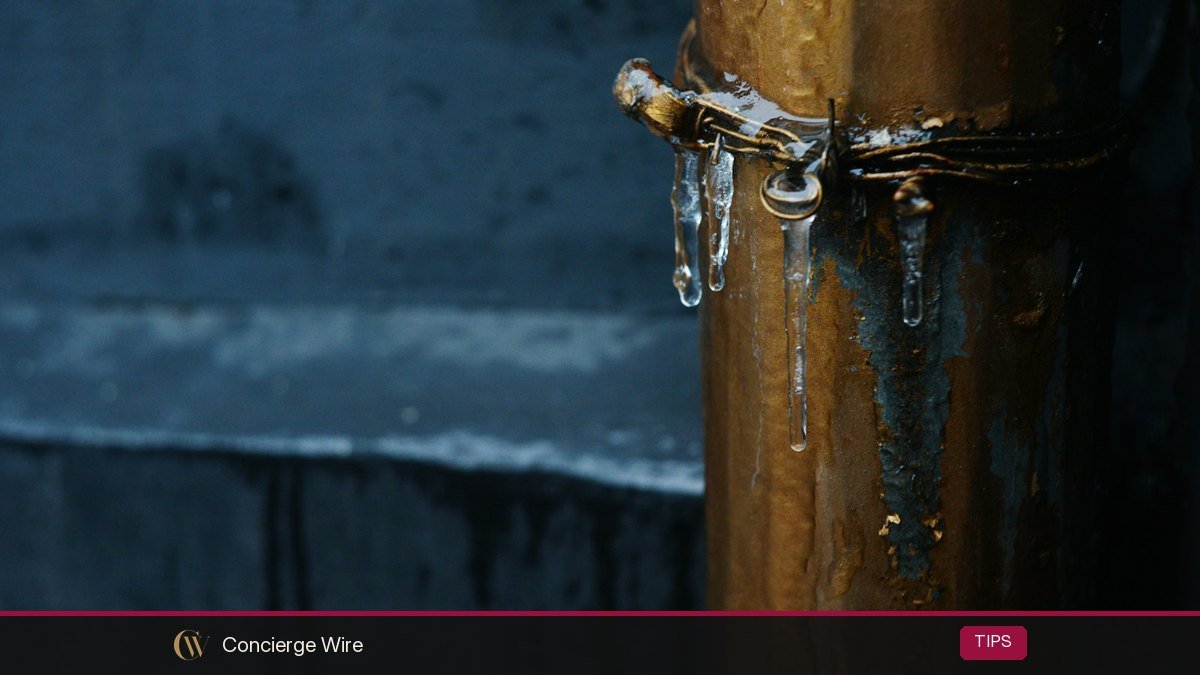
To prevent frozen pipes, keep your heat at 55°F or higher even when you are away, let a faucet on an exposed line drip, open sink cabinets on outside walls, and insulate pipes in unheated spaces. If a pipe does freeze, shut off the water and warm it slowly with a hair dryer or warm towels, never an open flame. This guide covers both steps in detail, plus when to stop and call a plumber.
Updated November 2026.
Key Takeaways
- Set the thermostat no lower than 55°F, day and night, during cold snaps and whenever you travel.
- A slow, steady drip from the faucet farthest from your main shut-off valve relieves pressure and helps keep water moving.
- Insulate pipes in attics, crawl spaces, garages and outside walls before the first hard freeze; foam sleeves are inexpensive and quick to install.
- To thaw: shut off the main valve, keep the faucet open, and warm the pipe gently. Never use a torch, kerosene heater or open flame.
- Call a licensed plumber if you cannot find the frozen section, cannot reach it, or the pipe has cracked or burst.
Quick Answer: Frozen Pipe Prevention Checklist
| When | What to do | Time needed |
|---|---|---|
| Before winter | Insulate exposed pipes, seal drafts near plumbing, disconnect garden hoses, shut off and drain outdoor spigots, find your main shut-off valve | 1–3 hours |
| Cold snap forecast | Keep heat at 55°F or higher day and night, open cabinets under sinks on outside walls, drip faucets on vulnerable lines | 10 minutes |
| Leaving for a trip | Leave heat at 55°F or higher, ask someone to check the house, consider shutting off the main valve and draining lines | 15–60 minutes |
| Pipe freezes | Shut off water, open faucet, warm slowly, check for leaks, call a plumber if needed | 30 minutes to several hours |
Why Pipes Freeze and Burst
Water expands as it freezes. In a closed pipe, that expansion pushes against the ice plug and builds pressure in the section between the ice and the closed faucet. The burst often happens in that section, not where the ice is. That is why a pipe can look fine from the outside and still split, and why leaving a faucet open matters: it gives the pressure somewhere to go.
The pipes most at risk are the ones exposed to cold air:
- Pipes in unheated attics, crawl spaces, basements and garages
- Supply lines in cabinets on exterior walls, especially kitchen and bathroom sinks
- Outdoor hose bibs, sprinkler lines and pool supply lines
- Pipes in homes with little insulation, or near drafty windows, vents and doors
Homes in warmer states are not immune. Pipes in the South are often run through exterior walls and attics with little protection, so an unusual cold snap can do serious damage.
Before Winter: Protect Your Plumbing
1. Find your main water shut-off valve
Do this first, before anything freezes. The main valve is usually where the water line enters the house: in a basement, crawl space, utility room, garage or near the water heater. In some warm-climate homes it is outside. Make sure everyone in the house knows where it is and that it turns. A stuck valve during a burst is the worst time to find out.
2. Insulate exposed pipes
Foam pipe sleeves from a hardware store slip over pipes and close with a built-in adhesive strip. Cover pipes in attics, crawl spaces, garages and under sinks on outside walls. In an emergency, wrapping pipes in newspaper or towels is better than nothing. For pipes that freeze repeatedly, UL-listed heat tape or heat cable designed for pipes is an option; follow the manufacturer’s instructions closely and never wrap it over itself.
3. Seal the drafts
Cold air leaking onto pipes is often the real cause of freezing. Seal gaps around pipes where they pass through walls and floors, close crawl space vents in winter if your home’s design allows, add weatherstripping to garage doors, and insulate walls and attics where pipes run.
4. Handle outdoor water lines
- Disconnect and drain garden hoses.
- Close the indoor shut-off valve to outdoor spigots, if you have one, then open the outdoor spigot to drain it.
- Drain sprinkler lines following the system manufacturer’s directions or have a professional blow them out.
- Consider frost-free hose bibs if outdoor spigots freeze every year.
During a Cold Snap: Daily Habits That Work
Keep the heat steady
Keep your thermostat at the same temperature day and night during very cold weather, and never below 55°F. Arlington County’s emergency management office, for example, advises setting the thermostat above 55 degrees, especially if you will be away for an extended time, and similar guidance appears in American Red Cross winter advice. A lower overnight setback saves a little on heating but can leave pipes in exterior walls dangerously cold.
Let a faucet drip
Run the faucet farthest from your main valve at a small, steady trickle. Moving water is less likely to freeze, and an open faucet relieves pressure if ice starts to form. If both hot and cold lines run along an outside wall, open both slightly. The small cost in water is far less than a burst pipe repair.
Open cabinet doors
Open the doors under kitchen and bathroom sinks on outside walls so warm room air can reach the pipes. Move cleaning products out of reach of children and pets while the doors are open.
Keep the garage closed
If water lines run through your garage, keep the main garage door shut as much as possible during freezing weather.
Use heat safely
Do not use a gas oven or stovetop to heat your home, and never run generators or grills indoors. Ready.gov’s winter weather guidance recommends working carbon monoxide detectors on every level of your home. If you use a space heater to warm a room with vulnerable pipes, keep it away from anything flammable and never leave it unattended.
Leaving Home for the Holidays
Travel is when many pipes freeze, because nobody notices the first signs. Before you leave:
- Set the thermostat to 55°F or higher. Do not turn the heat off.
- Open cabinet doors under sinks on outside walls.
- Ask a neighbor or friend to check the house daily during a deep freeze, including looking for water on floors and ceilings.
- If your thermostat is a smart model, turn on temperature alerts so you know if the furnace fails.
- For longer trips in very cold weather, consider shutting off the main water valve and draining the lines by opening faucets, as described below.
- Check your homeowners or renters insurance for any requirement to maintain heat or check on a vacant home; many policies limit coverage for freeze damage if heat was not maintained.
Shutting down a vacant house
For a vacation home or a long absence, the safest approach is to shut off and drain the system. Arlington County’s guidance outlines the basic steps: shut off the main valve, open every faucet starting from the top floor and working down (including outdoor lines), flush toilets, and briefly run the washer and dishwasher to clear their lines. Turn off the power or gas to the water heater and drain it following the manufacturer’s directions. If you have a boiler or other water-based heating system, call a licensed plumber; draining those incorrectly can cause damage.
Signs Your Pipes Are Frozen
- You turn on a faucet and only a trickle comes out, or nothing at all.
- Frost is visible on an exposed pipe.
- A pipe looks bulged or has a small crack.
- Strange smells come from a drain, because sewer gas has no exit through a blocked line.
- One faucet works and another does not, which helps narrow down where the ice is.
How to Thaw a Frozen Pipe Safely
If you can reach the frozen section and it has not cracked, you can usually thaw it yourself. Work slowly.
- Shut off the water at the main valve. If the pipe has cracked, this limits the damage when the ice melts.
- Open the faucet that the frozen pipe feeds. This relieves pressure and lets melting water flow out.
- Start warming near the faucet and work back toward the frozen section, so melting water has a way out.
- Use gentle heat: a hair dryer, towels soaked in hot water and wrapped around the pipe, or an electric heating pad. Keep electrical devices away from standing water.
- Turn the water back on slowly once flow returns.
- Check every pipe and joint along the line for leaks or cracks.
- Check other faucets. If one pipe froze, others may have too.
What never to do
| Do not | Why |
|---|---|
| Use a propane torch, blowtorch or any open flame | Fire risk to framing and insulation, and it can damage pipes and joints |
| Use a kerosene or propane heater in an enclosed space | Fire and carbon monoxide risk |
| Thaw your water meter yourself | Local utilities warn this can cause extensive damage; call the water utility instead |
| Pour boiling water directly on a plastic or older pipe | Sudden temperature changes can crack pipes |
| Turn the water back on quickly | A surge can expose weak spots and burst a pipe that survived the freeze |
The thawing steps and warnings above follow Arlington County’s frozen pipe guidance, which matches the general advice given by emergency agencies and insurers across the country.
When to Call a Plumber
Stop and call a licensed plumber if:
- You cannot find the frozen section or cannot reach it (inside a wall, under a slab, or in a tight crawl space)
- The pipe has cracked, split or burst
- Water is leaking inside walls or through ceilings
- Your home uses a boiler or hydronic heating system
- Several lines are frozen at once
- You have tried gentle heat for a reasonable time with no flow
If the frozen section is inside an exterior wall, a plumber may use specialized thawing equipment or open the wall. In the meantime, you can raise the room temperature and point a fan-forced electric heater toward the wall from a safe distance.
If a Pipe Bursts: First Hour Checklist
- Shut off the main water valve immediately.
- If water is near outlets, appliances or the electrical panel, turn off power to that area at the breaker only if you can reach the panel safely without standing in water. Otherwise, call an electrician or the utility.
- Open faucets to drain remaining water from the lines.
- Photograph the damage before you clean up, for your insurance claim.
- Move furniture, rugs and valuables out of the wet area.
- Start removing water with towels, mops or a wet-dry vacuum.
- Call a plumber, then your insurance company. Ask the insurer whether you need to use a specific water damage mitigation company.
- Run fans and a dehumidifier to start drying; wet drywall and insulation can grow mold within days.
Coverage for frozen pipe damage depends on your policy and on whether you took reasonable steps to keep the home heated. Check your policy wording or ask your agent before winter, not after the leak.
Renters and Small Business Owners
Renters should report drafts, unheated plumbing areas and slow drains to the landlord before winter and keep the unit heated during cold snaps, even if traveling. Read the lease for any heating requirement. Small businesses closing for the holidays should treat their space like a vacant home: maintain heat, ask someone to check the premises, and know where the main shut-off is. A burst pipe in a closed shop can run for days before anyone notices.
Frequently Asked Questions
What temperature should I set my thermostat to prevent frozen pipes?
Keep it at 55°F or higher, and keep the same setting day and night during very cold weather. Do not turn the heat off when you travel.
Should I drip hot or cold water to prevent frozen pipes?
Drip whichever lines run along outside walls or through cold spaces. If both do, open both taps slightly. A slow, steady trickle is enough.
How long does it take for pipes to freeze?
It depends on the outside temperature, wind, insulation and where the pipe runs. Exposed pipes in unheated spaces can freeze within hours during a hard freeze, while well-protected pipes may never freeze. Act when a cold snap is forecast rather than waiting.
Can I use a hair dryer to thaw frozen pipes?
Yes. A hair dryer is one of the safest home methods. Start near the faucet, keep it moving, and keep the dryer and cord away from water.
Will frozen pipes thaw on their own?
They may thaw once temperatures rise, but waiting increases the risk of a burst, and you will not know about a crack until water starts leaking. Shut off the water and thaw the pipe in a controlled way instead.
Does homeowners insurance cover burst pipes?
Many policies cover sudden water damage from a burst pipe, but coverage can be limited if the home was not kept heated or was left vacant. Check your policy and talk to your agent.
Ten Minutes Now Saves a Ceiling Later
Before the next cold front, find your shut-off valve, put foam sleeves on the exposed pipes you can reach, disconnect the garden hose and set a reminder to keep the heat at 55°F or higher while you are away. Those small steps prevent most frozen pipes, and if one does freeze, you will know exactly how to thaw it without making things worse.