How to Winterize Your Garden and Yard Before the First Frost
A complete fall checklist for lawns, garden beds, trees, hoses and tools, with region-by-region timing drawn from university extension services.
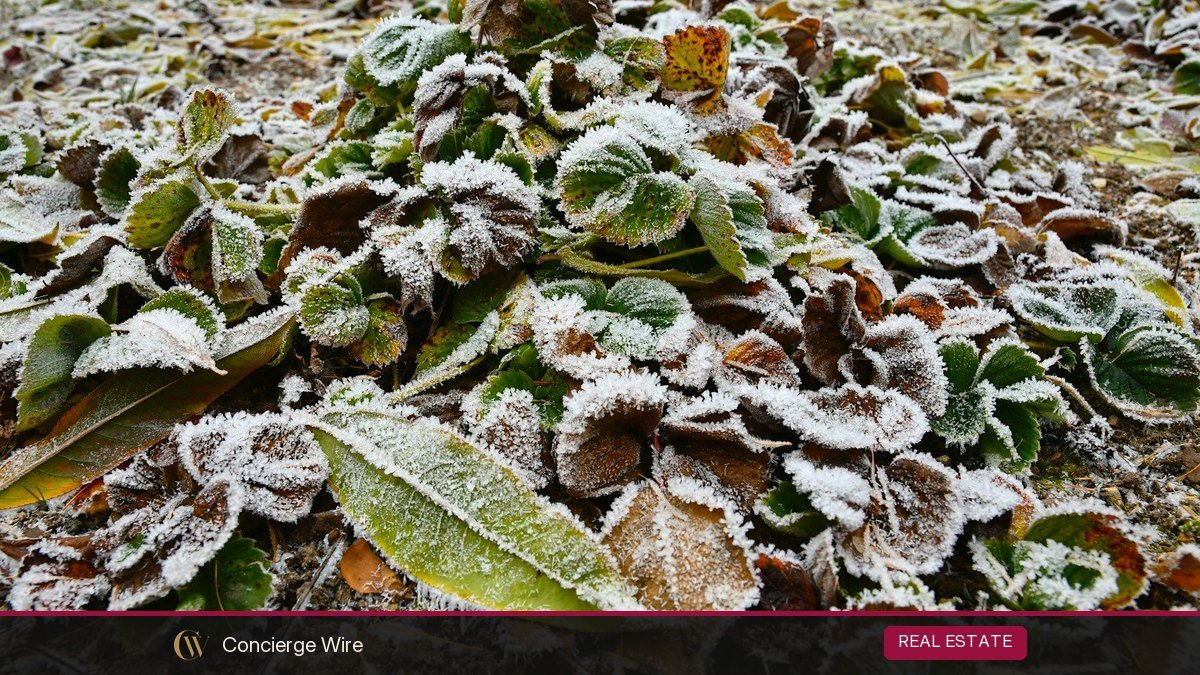
To winterize your garden and yard, finish your lawn care while the grass is still growing, clean out diseased plants, water deeply before the ground freezes, drain and store hoses, shut off outdoor faucets, and mulch beds once the soil starts to freeze. The exact timing depends on where you live, so this guide gives you a full checklist plus region-by-region notes drawn from university extension services, which are the most reliable free source of garden advice in the US.
Updated October 2026. Recommendations are summarized from state extension services; your local extension office has advice tuned to your soil and climate.
Key Takeaways
- Cool-season lawns (Northern US) get their last fertilizer in early fall; warm-season lawns (Southern US) should get their last nitrogen in late summer, not fall.
- Keep mowing cool-season grass until it stops growing, usually when daytime highs stay below about 50°F, and never remove more than a third of the blade at once.
- Winter mulch goes on after the soil begins to freeze. Its job is to prevent freeze-thaw cycles, not to keep the ground from freezing.
- Disconnect and drain hoses and shut off outdoor faucets before the first hard freeze to avoid burst pipes.
- In dry-winter regions, water trees and evergreens once or twice a month when it is above 40°F and there is no snow cover.
Quick answer: Before the first frost: harvest, pull diseased plants, divide perennials, plant bulbs and garlic. Before the first hard freeze: drain hoses, shut off and drain outdoor faucets, blow out or drain irrigation, water trees and shrubs deeply. After the ground starts to freeze: add 2-6 inches of straw or shredded leaves to perennial beds, mound mulch around roses, wrap young tree trunks. Then clean, sharpen and oil your tools and store them dry.
When to Start: Frost Dates and Your Zone
Timing is everything in fall garden prep. Do the lawn work too late and the grass is already dormant. Mulch too early and you invite mice to nest in your beds before winter even starts.
Two pieces of information help you plan:
- Your average first frost date. This is a historical average for your area, not a guarantee. Several free calculators look it up by ZIP code using NOAA weather station data. Pair it with your local 10-day forecast.
- Your plant hardiness zone. The USDA Plant Hardiness Zone Map (the 2023 edition is current) shows your zone based on average extreme winter low temperatures. It tells you which perennials should survive outdoors and how much winter protection to plan for.
A useful rule of thumb: treat the weeks before your average first frost as “prep” time, the first light frosts as “clean-up” time, and the point when the top inch or two of soil stays frozen as “mulch and wrap” time.
Lawn Care Before Winter
What your lawn needs in fall depends on the type of grass. The northern half of the country mostly grows cool-season grasses such as Kentucky bluegrass, fescues and ryegrass. The South mostly grows warm-season grasses such as bermudagrass, zoysiagrass, centipedegrass and St. Augustine. Their fall needs are close to opposite.
Cool-season lawns (North, Midwest, Northeast, much of the West)
Iowa State University Extension’s fall lawn care guide lays out a clear schedule for cool-season turf:
- Fertilize in mid-September, using no more than 1 pound of actual nitrogen per 1,000 square feet.
- Lower the mowing height gradually in mid to late September, from about 3 to 3.5 inches down to 2.5 to 3 inches.
- Keep mowing until growth stops. Kentucky bluegrass typically stops in late October or early November in Iowa, once daytime highs stay below 50°F.
- Follow the one-third rule: never cut off more than a third of the leaf blade at one time.
- Deal with leaves. Thick layers block light and can kill patches of grass. Mow over thin layers to shred them, or rake and compost thick ones.
- Treat perennial broadleaf weeds such as dandelions between late September and early November, when they are moving food down to their roots. Always follow the product label.
Experts disagree on whether the very last mow should be shorter than normal. A slightly lower cut can reduce matting and snow mold; scalping the lawn weakens roots. A sensible middle ground is your normal fall height, or a little lower, never in one dramatic drop.
Warm-season lawns (South and Southeast)
University of Georgia Extension’s guidance on fall care for warm-season lawns says to make the last nitrogen application in August. Feeding bermudagrass, zoysia or centipede in September can delay dormancy and raise the risk of cold injury and a disease called spring dead spot. Their other recommendations:
- Keep mowing at the normal height for your grass (1 to 2 inches for bermudagrass, centipede and zoysia).
- Consider a fall pre-emergent herbicide for winter weeds, applied in September or before night temperatures drop below 60°F. A product with potassium but no nitrogen (such as one labeled 0-0-7) can help bermudagrass winter hardiness.
- Provide about 1 inch of water a week, from rain and irrigation combined, while the grass is still active.
- Test your soil in early fall; lime takes months to change pH.
Garden Beds and Perennials
Clean up with a purpose
Remove and throw away (do not compost) any plants that had disease or heavy insect problems this year: tomato vines with blight, squash with powdery mildew, peonies with leaf spots. Leaving that debris in place can carry problems into next season.
Healthy perennials are a different story. Many gardeners now leave sturdy stems standing over winter. Hollow stems give cavity-nesting bees a place to overwinter, seed heads feed birds, and standing stems catch snow that insulates the crown. You can cut them back in spring once new growth appears.
Divide, plant and protect
- Divide crowded spring and early-summer bloomers at least four to six weeks before the ground usually freezes, so roots can settle in.
- Plant spring bulbs (tulips, daffodils, crocus) and fall garlic once soil cools but before it freezes.
- Water everything well before the freeze. Well-hydrated plants handle winter stress better than drought-stressed ones.
Add winter mulch at the right time
This is the step most people get wrong. Winter mulch does not stop the soil from freezing. Its job is to keep the soil frozen once it freezes, preventing the repeated freeze-thaw cycles that heave shallow-rooted perennials and strawberries out of the ground. That is why the timing advice is to apply it after the soil starts to freeze, not before.
| Mulch material | Good for | Notes |
|---|---|---|
| Straw | Perennial beds, strawberries, garlic | Use straw, not hay; hay carries weed seeds |
| Shredded leaves | Perennial beds, vegetable beds | Free; shred first so they do not mat into a soggy layer |
| Pine needles | Perennials, acid-loving shrubs | Stay airy and do not compact |
| Evergreen boughs | Tender perennials, roses | A good use for a cut Christmas tree after the holidays |
| Wood chips | Paths, around shrubs and trees | Better as a top-dressing than as a winter blanket for perennials |
Depth recommendations vary. NC State Extension suggests 3 to 6 inches for winter protection in raised beds, while many guides suggest 2 to 4 inches for general perennial beds. Use the lower end in milder zones and the higher end where winters are harsh and snow cover is unreliable.
Vegetable Gardens and Raised Beds
- Harvest everything tender before the first frost: tomatoes, peppers, beans, squash, basil.
- Leave cold-hardy crops such as kale, carrots, leeks and Brussels sprouts; many taste sweeter after a light frost.
- Remove diseased plants and bag them. Chop healthy plant residue into the top few inches of soil or add it to the compost.
- Plant a cover crop if you have time before the freeze. Winter rye and crimson clover are common choices; oats die over winter, leaving an easy-to-manage mulch.
- Or mulch bare soil with shredded leaves or straw to prevent erosion and feed soil life.
- Test your soil over the winter through your state extension lab, so you know what to add before spring.
- Mulch garlic with 3 to 4 inches of straw after the ground begins to freeze.
Trees, Shrubs and Roses
- Water deeply until the ground freezes. Evergreens lose moisture through their needles all winter and suffer most from dry fall soil.
- Protect young tree trunks. A loose cylinder of hardware cloth around the base of young fruit and ornamental trees helps keep rabbits and voles from chewing bark. Leave room for the trunk to grow and remove spiral wraps in spring.
- Wrap vulnerable shrubs. Burlap screens shield broadleaf evergreens such as boxwood and rhododendrons from drying winter winds and road salt spray. Shrubs that bloom on old wood, like some hydrangeas, benefit most because their flower buds are already set.
- Mound roses. For tender roses in cold zones, mound soil or mulch 8 to 12 inches high around the base after the ground freezes. Remove damaged or diseased canes, but save heavy pruning for spring.
- Skip fall fertilizer for woody plants. Late feeding can push tender growth that winter kills.
Hoses, Faucets and Irrigation
Frozen water expands, and that is what splits hoses, cracks sprinkler parts and bursts pipes. Do this before the first hard freeze, not after.
Hoses and hose-end gear
- Disconnect every hose from its faucet. A connected hose can trap water in the faucet and the pipe behind it.
- Drain the hose by stretching it down a slope, or by lifting one end to waist height and walking it along the length.
- Coil it loosely and store it flat or on a reel in a garage, shed or basement.
- Bring sprinklers, spray nozzles, timers and watering wands inside. Water trapped in small parts freezes and cracks them.
Outdoor faucets
- Find the indoor shut-off valve for each outdoor faucet (often in the basement or a utility area) and close it.
- Open the outdoor faucet to let the remaining water drain out, then close it again.
- Add an insulated foam faucet cover for extra protection.
- Fix any drips now; a slow leak can freeze inside the fixture.
- If you are replacing a faucet, a frost-free model is worth the extra cost in cold climates.
In-ground sprinkler systems
Follow the manufacturer’s or installer’s instructions. Many systems in freezing climates need to be drained or “blown out” with compressed air. Because over-pressurizing can damage the system, many homeowners hire an irrigation company for this step.
Tools and Equipment
University of New Hampshire Extension’s tool-care advice boils down to clean, sharpen, oil and store dry:
- Clean: scrub soil off shovels, rakes and hoes with a wire brush; remove sap from pruners with rubbing alcohol.
- Sharpen: file the edges of shovels, hoes and pruners, following the original bevel.
- Oil: wipe metal with a light oil or silicone spray to block rust; treat wooden handles with boiled linseed oil.
- Empty sprayers and spreaders: leftover fertilizer holds moisture and causes rust.
- Store dry: hang tools on a wall rather than leaving metal ends on a concrete floor.
- Prep the snow shovel: a coat of wax or silicone spray helps wet snow slide off.
For gas mowers and trimmers, follow the owner’s manual for winter storage, which usually covers fuel (stabilize or run dry), an oil change and blade sharpening.
Regional Winterizing Guide
| Region | Typical timing | Priorities |
|---|---|---|
| Upper Midwest and Northern Plains | Prep in September; freeze often by late October or early November | Fall fertilizing in September, early faucet shut-off, thick winter mulch, rodent guards on young trees |
| Northeast and Great Lakes | Prep September to October; mulch in November | Leaf management, burlap for evergreens near roads (salt spray), mulch perennials after soil freezes |
| Mid-Atlantic and Ohio Valley | Prep October; freeze commonly November | Cool-season lawn feeding, bulb planting, protect faucets on north walls |
| Southeast and Gulf Coast | Freezes are occasional, often December to February | No fall nitrogen on warm-season lawns, pre-emergent for winter weeds, frost cloth ready for cold snaps |
| Rocky Mountains and High Plains | Early freezes, dry winters | Winter watering of trees and evergreens, wind protection, deep fall watering |
| Desert Southwest | Light frosts in some areas | Cover frost-tender plants on cold nights, adjust irrigation timers for cooler weather |
| Pacific Northwest | Mild, wet winters | Drainage, cleanup of diseased foliage, mulch to protect soil from heavy rain |
In dry-winter regions, winter watering is the step people forget. Colorado State University Extension’s fall and winter watering fact sheet recommends watering trees, shrubs, lawns and perennials during long dry spells, about once or twice a month, only when air and soil are above 40°F and there is no snow cover. Water at midday so it soaks in before night. Newly planted trees, shallow-rooted trees such as birch and maple, and most evergreens are most at risk.
Frequently Asked Questions
When should I winterize my garden?
Start prep work a few weeks before your average first frost date, do cleanup after the first light frosts, and apply winter mulch once the top layer of soil begins to freeze. In most northern states that means September through November.
Should I cut back perennials in the fall?
Cut back and remove anything diseased. Healthy perennial stems can stay up through winter to shelter beneficial insects, feed birds and trap insulating snow. Cut them back in early spring.
Should I fertilize my lawn before winter?
For cool-season grass, an early-fall feeding (around mid-September in the Midwest) is recommended. For warm-season grass in the South, make the last nitrogen application in late summer; fall nitrogen can lead to cold injury and disease.
How do I keep my outdoor faucet from freezing?
Disconnect the hose, close the indoor shut-off valve for that faucet, open the outdoor tap to drain it, then close it and add an insulated cover. Frost-free faucets offer the most protection in cold climates.
Should I leave leaves on my lawn over winter?
Not in thick layers. A heavy mat of leaves blocks light and can kill patches of grass. Mow over light layers to shred them into the lawn, and rake heavier ones into beds as mulch or into the compost.
Do I need to water plants in winter?
In regions with dry winters and little snow cover, yes. Water trees and evergreens about once or twice a month when temperatures are above 40°F and the ground is not frozen or snow-covered.
A Two-Weekend Plan to Finish the Job
You do not have to do everything at once. Use one weekend before your first frost for lawn work, harvest, cleanup and planting bulbs. Use a second weekend, just before the first hard freeze, for hoses, faucets, irrigation, deep watering and tool care. Then, when the soil starts to freeze, spend one hour spreading mulch and wrapping young trees. Your garden, and your plumbing, will be in much better shape come spring.