How to Get Your Small Business on Local TV News
A practical guide to local TV coverage for small businesses: which segments to target, who books them, how to pitch, and how to prepare for live TV.
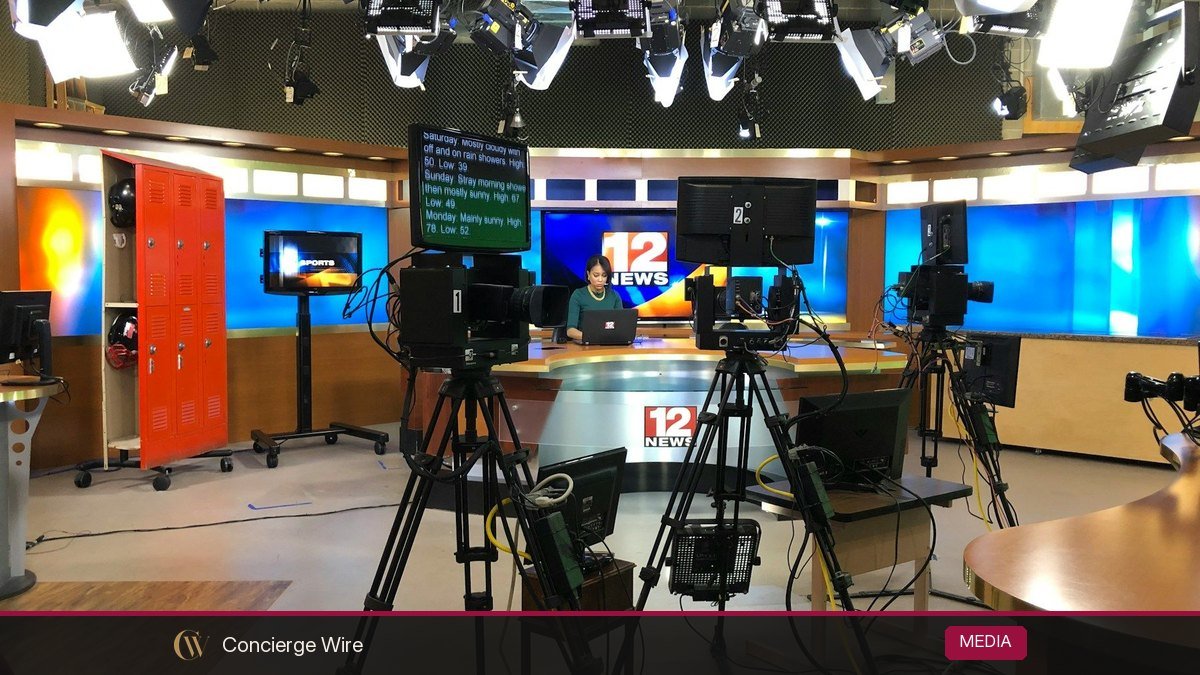
To get your small business on local TV news, you need three things: a story that fits a specific segment, a pitch that reaches the right producer at the right time of day, and visuals a camera crew can shoot in under an hour. This guide breaks down the segment types stations run, how morning shows book guests, a pitch template, and how to prepare for a live or taped appearance so you are invited back.
Key Takeaways
- Local TV still reaches a large audience: Pew Research found 65% of U.S. adults at least sometimes get news from a local TV station.
- Pitch a segment, not your company. Morning lifestyle slots, newscast features, and live shots each need a different angle.
- Producers and the assignment desk decide what gets covered. Find out who books what before you send anything.
- TV is visual. If there is nothing to film, there is no story, no matter how good the news is.
- Prepare three short talking points, a demo, and clean b-roll so the station can say yes with little effort.
Why Local TV Is Still Worth the Effort
It is easy to assume television is fading, but the numbers say local TV news remains one of the most-used local news sources. In Pew Research Center’s local news fact sheet, 65% of U.S. adults said in a December 2025 survey that they at least sometimes get news from their local TV station. Pew also found the audience is shifting how it watches: among local TV news consumers, 43% now mainly get it online through the station’s website, app, email or social media, up from 22% in 2018.
That shift matters for a small business. A segment no longer disappears after it airs. Stations post clips to their websites and social feeds, which means a two-minute morning-show spot can become a shareable link, a credibility badge on your site, and a search result for your business name.
Local TV is also more reachable than most owners think. Stations fill hours of airtime every day, especially in morning and weekend shows, and many of those minutes go to community, food, holiday, consumer and how-to content that local businesses are well placed to supply.
Know the Segment Types Before You Pitch
“Get on TV” is not a pitch. A producer is filling a particular slot, and your idea needs to match one. Watch a full week of each local station’s morning, midday, evening and weekend shows and note what they air. You will usually see these formats:
| Segment type | Typical length | What it needs | Good fit for |
|---|---|---|---|
| Morning show studio guest (lifestyle) | Short, often a few minutes | A host-friendly demo or tips, props, energy | Restaurants, bakers, fitness, retail, pet services, local experts |
| Live remote (“live shot”) from your location | Several short hits across a morning | Something happening on site, early, with people | Openings, events, seasonal rushes, charity drives |
| Newscast feature or package | One to three minutes | A human story with a news hook, interviews, b-roll | Unusual businesses, community impact, local trends |
| Consumer or “expert” segment | Brief interview or sound bite | Credible, quick explanation of a timely issue | Accountants at tax time, mechanics before winter, pharmacists in flu season |
| Weekend or community show | Varies | Community angle, nonprofit tie-in | Volunteer efforts, local history, cultural events |
| Sponsored or paid segments | Varies | A budget and clear labeling | Businesses that want guaranteed placement |
Be careful with the last row. Many stations sell sponsored lifestyle segments that look similar to editorial ones. They can be worthwhile, but they are advertising, and they are usually handled by the sales department, not the newsroom. Know which one you are pursuing before you write to anyone.
Who Actually Decides What Gets on Air
A local station’s newsroom has several gatekeepers, and pitching the wrong one wastes your best idea.
- Assignment desk / assignment editor: Decides which stories the station’s crews will cover each day, particularly breaking and daily news. Good for event-driven news with a time and place.
- Show producers: Each newscast has its own producer, and morning shows often have segment producers who book in-studio guests. Lifestyle and how-to pitches usually go here.
- Reporters and multimedia journalists: Many local reporters shoot, write and edit their own stories. A reporter with a beat (consumer, business, health, food) can be the best entry point for a feature.
- Anchors and hosts: They rarely book segments themselves, but a host who covers a topic on social media may champion a story.
Find names on the station’s website, in on-screen credits, and on reporters’ social profiles. Call the main newsroom line and politely ask, “Who books guests for your morning show?” Most stations will tell you or give you a general booking email.
Find a TV-Ready Story Angle
A good TV angle answers “why this, why now, why here” and can be shown, not just told. Strong angles for small businesses include:
- Seasonal how-to. A florist showing a five-minute Thanksgiving centerpiece, a hardware store on winter prep, a bakery on holiday cookie decorating.
- Local trend with a face. If an unusual number of customers are asking for something, you may be the first to see a trend the station can verify and report.
- Community impact. Hiring people from a local program, donating unsold food, or organizing a neighborhood cleanup.
- Milestone with a story. A 50th anniversary, a third-generation owner, a comeback after a flood or fire.
- Consumer expertise. Offer yourself as a source when a topic hits the news, such as a CPA explaining a new tax rule or a locksmith on porch-pirate prevention.
- Something unusual to watch. A machine, a process, an animal, a big crowd, a record attempt.
Before you pitch, test the angle with one question: “What would the camera point at?” If the answer is “me, sitting at a desk,” keep working.
How to Pitch a TV Producer: Step by Step
1. Time the pitch to the station’s rhythm
Assignment desks plan the next day’s coverage during the afternoon, and morning shows often book guests days or weeks ahead, especially for holidays. Pitch features and studio segments one to three weeks out. Pitch same-day or next-day events to the assignment desk early in the morning or the afternoon before. Avoid calling during or just before a newscast.
2. Write a short, visual email
TV pitches should be shorter than print pitches. Lead with the visual and the timing, then the people available, then the logistics. If you need a refresher on news basics, our guide to what a press release is and when to use one explains how a formal announcement differs from a pitch.
3. Include a TV pitch template
Subject: Morning segment idea: 5-minute Thanksgiving centerpieces from a [City] florist (Nov. 19-24)
Hi [Producer name],
With Thanksgiving on Nov. 26, I would love to show your viewers how to build a centerpiece from grocery-store flowers in five minutes for under $25. I can do three versions live on set, with all supplies provided.
I’m [Name], owner of [Business] in [Neighborhood]. We have run holiday centerpiece workshops for [number] years. Here is a 40-second clip of me doing a demo: [link].
I can come to the studio any morning Nov. 19-24, arrive by 5:30 a.m., and set up in under ten minutes. Happy to send a prop list and talking points.
Thanks, [Name] | [Phone] | [Business website]
4. Follow up once, then move on
If you hear nothing after three or four business days, send one short follow-up with a new detail, such as an added date or a fresh visual. If there is still no response, pitch another station or a different segment. Never send the same pitch to every station at once without telling them; an exclusive offered to one station can be more appealing than a mass email.
5. Use a media advisory for events
For a grand opening, charity event or ribbon cutting, the assignment desk wants a one-page advisory with who, what, when, where and the visuals available. Send it a few days ahead, then again early on the morning of the event. Our press release writing guide covers the format basics, and the same discipline applies: facts first, no fluff.
Give Them Visuals They Can Use
Most small-business TV stories are won or lost on what the crew can shoot. Plan the visuals the way a producer would:
- Action, not offices. Hands making things, customers lining up, equipment running, animals moving.
- People on camera. Have two or three staff or customers who have agreed in advance to appear.
- Good timing. If your oven pulls bread at 6 a.m., invite the crew then. Morning live shots need activity during morning show hours.
- Space and power. Clear room for a camera and tripod, and know where outlets are.
- Clean b-roll. Offer short, horizontal, unbranded video clips of your work that a station could use if it cannot send a crew. Shoot them steady, well lit and without music.
- Signage that is not an ad. A storefront sign in the background is fine. A giant banner placed behind the interview usually is not, and the crew may move you.
Stations protect their independence. The Radio Television Digital News Association’s code of ethics says commercial endorsements are incompatible with journalism, and it warns journalists about accepting gifts or special treatment. So do not offer the crew free products or ask the reporter to “mention our sale.” Offer the story and let the station decide the framing.
How to Prepare for a Live or Taped Appearance
Before the day
- Confirm the time, address, entrance, parking and contact name. Studios often require early arrival.
- Ask how long the segment is, whether it is live or taped, and what the host plans to ask.
- Send a short prop list and three suggested questions to the producer.
- Practice your three key points out loud, each in 15 to 20 seconds.
What to wear and bring
- Solid, mid-tone colors. Avoid tight stripes, small checks and large logos, which can look distracting on camera.
- Your work clothes if they tell the story: chef whites, a branded apron, a mechanic’s shirt.
- All props in a labeled bin, already assembled where possible.
- A one-page fact sheet with your name, title, business name spelled correctly and website.
During the segment
- Talk to the host, not the camera, unless told otherwise.
- Keep answers short. If the host interrupts, let them; they are managing the clock.
- Show, then tell. Start the demo while you explain it.
- Mention your business name once naturally, usually when introduced. The on-screen graphic will do the rest.
- If a live segment goes wrong, keep going calmly. Hosts are experts at recovering, and viewers remember warmth more than mistakes.
After the segment
- Send a thank-you note to the producer within a day.
- Find the clip on the station’s site and share it with credit to the station.
- Offer yourself as a future source on your topic, with one or two specific ideas for later dates.
A 30-Day Local TV Plan
| Week | Focus | Output |
|---|---|---|
| Week 1 | Watch every local station’s morning and evening shows; list segment types and producer names | A target sheet of 3 to 5 stations and 8 to 15 contacts |
| Week 2 | Develop two angles (one seasonal how-to, one community story); film a 30 to 60 second demo clip | Two pitch drafts and a sample clip link |
| Week 3 | Pitch the morning show producer at your top station with an exclusive date window; pitch a reporter with the feature angle | Pitches sent, follow-ups calendared |
| Week 4 | Follow up once; pitch second-choice stations; prepare props and talking points for any booking | At least one booking or clear feedback to refine the next round |
Frequently Asked Questions
Do I have to pay to be on local TV news?
No, editorial segments are free. However, many stations also sell sponsored segments that look similar. Those are advertising and are usually arranged through the sales team. Ask directly if you are unsure which you are being offered.
How far in advance should I pitch a morning show?
One to three weeks ahead is a reasonable window for most lifestyle segments, and earlier for major holidays when slots fill quickly. Same-day or next-day news events go to the assignment desk instead.
Should I call or email a TV newsroom?
Email first, with a short, visual pitch. A brief phone call to the newsroom is fine to ask who books segments or to flag a same-day event, but avoid calling close to airtime.
What if a station shows up but the story is different from what I expected?
That is normal. The station controls the editorial angle. Answer honestly, stick to your key points, and do not ask to approve the story before it airs, because most newsrooms will not allow that.
Can I use the TV clip in my marketing?
Linking to the station’s published clip and saying “as seen on [station]” is common. Downloading and re-editing the footage for ads may require the station’s permission, so ask before you use it beyond a link or share.
What is the best time of year to pitch local TV?
Holiday seasons and slow news periods are good, because stations need seasonal and feel-good content. The weeks before Thanksgiving and the December holidays are busy but open to how-to and community segments.
Make the Producer’s Job Easy
Local TV coverage comes down to fit and friction. Match your idea to a segment the station already runs, show the producer exactly what the camera will see, and remove every obstacle: clear dates, early arrival, ready props and short answers. Do that once well, and you become the business they call the next time they need a quick, reliable guest.