Healthy Holiday Eating Without Dieting: A Practical Guide
Enjoy holiday parties and big dinners without a diet: plate strategy, smart drinking, sleep, daily movement and mindful treats.
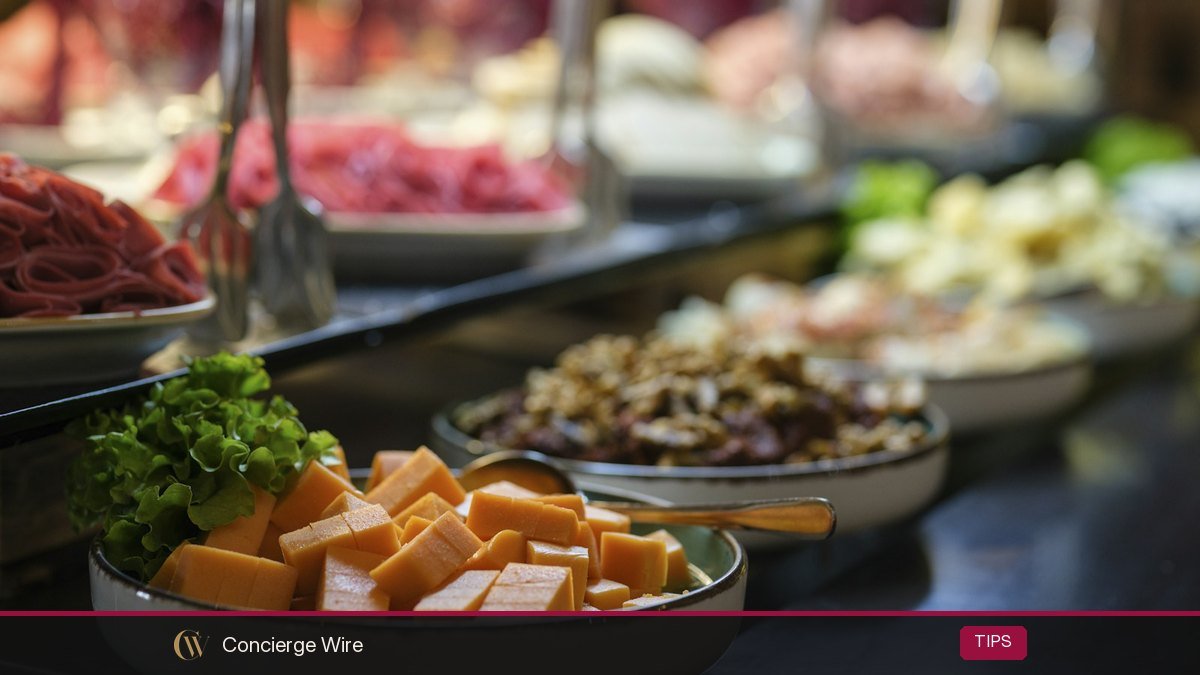
You can enjoy Thanksgiving, office parties, Christmas and New Year’s Eve without a diet, a food log or a January guilt trip. This guide gives you a practical plan for healthy holiday eating: a simple plate method for buffets and big dinners, how to handle alcohol, why sleep and movement matter more than willpower, and a mindful way to enjoy the treats you actually love.
Updated November 2026. This is general information, not medical advice. If you have diabetes, heart disease, high blood pressure, a history of disordered eating, are pregnant, or take medication that interacts with alcohol, talk to your doctor or a registered dietitian about what is right for you.
Key Takeaways
- Skip the “save up calories” plan. Eat normal meals on party days so you arrive hungry, not starving.
- Use a simple plate split: half vegetables or fruit, a quarter protein, a quarter starch, then add the treat you want most.
- Alternate every alcoholic drink with water. New 2025-2030 federal guidance simply says to drink less; CDC pages still list one drink a day or less for women and two or less for men.
- Adults need 7 or more hours of sleep a night, according to the CDC. Short sleep makes snacking harder to manage.
- Keep moving: a 15 to 20 minute walk after big meals counts toward the 150 minutes a week the CDC recommends.
Quick answer: Eat regular meals before parties, fill half your plate with vegetables, choose one or two favorite treats instead of sampling everything, pace alcohol with water, protect your sleep, and walk after big meals. Enjoy the food that matters to you and skip the food that does not.
Why Dieting Through the Holidays Backfires
Strict rules tend to break at the worst moment: the third party of the week, when you are tired and someone hands you a plate of cookies. Then the “I already blew it” thinking kicks in and one cookie becomes a lost weekend.
A better goal for most people is simple: come out of the season feeling about the same as you went in. That means a few habits you can keep at every event, not a list of banned foods. The rest of this guide is built around those habits.
Before the Party: Do Not Arrive Starving
The classic mistake is skipping breakfast and lunch to “save room” for a big dinner. By 6 p.m. you are so hungry that any plan goes out the window.
- Eat a normal breakfast and lunch. Include some protein, like eggs, yogurt, beans, chicken or fish, and some fiber from vegetables, fruit or whole grains.
- Have a small snack an hour or two before. An apple with peanut butter, a handful of nuts or a cup of soup takes the edge off.
- Drink a glass of water before you leave. Thirst is easy to confuse with hunger, especially in dry winter air.
- Decide your one or two “must-haves” in advance. If grandma’s pecan pie is the highlight of your year, plan for it.
The Holiday Plate Method
You do not need to count anything. Use the plate itself as your guide. This loosely follows the familiar idea of filling half your plate with fruits and vegetables.
| Part of the plate | What goes there | Holiday examples |
|---|---|---|
| Half | Vegetables and fruit | Green beans, roasted Brussels sprouts, salad, roasted carrots, fruit platter |
| One quarter | Protein | Turkey, ham, roast beef, fish, lentils, a bean dish |
| One quarter | Starch | Mashed potatoes, stuffing, rolls, sweet potatoes, rice |
| On the side | Your chosen treat | A real slice of the pie you love, not five bites of things you don’t |
Buffet tactics
- Walk the whole buffet first without a plate. Decide what is worth it.
- Use the smaller plate if there is one.
- Serve vegetables first, so they take up space before the rich dishes.
- Step away from the table to eat. Standing next to the chips means eating the chips.
- Wait 15 to 20 minutes before going back for seconds. You may find you are already full.
Easy swaps that do not feel like a sacrifice
| Instead of | Try | Why |
|---|---|---|
| Three kinds of creamy dip | One creamy dip and a vegetable tray | You still get the dip, with crunch and fiber |
| Eggnog all evening | One small eggnog, then sparkling water | Eggnog is rich; one glass is plenty to enjoy it |
| A second dinner roll | A second scoop of roasted vegetables | More volume, less starch |
| Picking at the dessert table | One plated dessert you chose | You enjoy it more and eat less overall |
| Fried appetizers | Shrimp cocktail, cheese and fruit, or skewers | Protein keeps you fuller |
Alcohol: Enjoy It Without Losing the Evening
Alcohol adds calories, lowers your guard around food, and wrecks sleep. You do not have to skip it, but pace it.
What the guidance says
Federal advice changed recently. The 2025-2030 Dietary Guidelines for Americans, released in January 2026, dropped the long-standing numeric daily limits and now tell adults to consume less alcohol for better health. Some health groups have criticized the change. Meanwhile, the CDC’s moderate drinking page still lists the older figures: for adults who choose to drink, two drinks or less in a day for men and one drink or less for women. Both sources agree that less is better and that people who are pregnant, recovering from alcohol use disorder or unable to control their drinking should not drink at all.
Practical pacing
- Alternate drinks. One alcoholic drink, then a full glass of water or seltzer.
- Eat before and while you drink. Drinking on an empty stomach hits faster.
- Pick a lower-strength option. A wine spritzer or a light beer goes further than a strong cocktail.
- Hold a drink you like that has no alcohol. A mocktail or sparkling water with lime stops people from topping you up.
- Set your number before you arrive, and tell a friend if that helps.
- Never drive after drinking. Plan a ride, a designated driver or a rideshare before the party.
Sleep: The Habit Nobody Talks About
Late parties, travel and hosting stress cut into sleep, and a short night makes the next day’s food choices harder. Many people notice they crave sweets and snacks after poor sleep.
The CDC recommends 7 or more hours a night for adults aged 18 to 60, 7 to 9 hours for ages 61 to 64, and 7 to 8 hours for those 65 and older.
- Keep your wake-up time within about an hour of normal, even after a late night.
- Stop alcohol a few hours before bed. It can make you sleepy but tends to make sleep lighter later in the night.
- Cut off caffeine by early afternoon during party weeks.
- Plan at least two “nothing” evenings a week in December. Say no to an event if you need to.
Movement: Small Walks Add Up
You do not need to “burn off” dinner, and exercise should never be a punishment for eating. But moving every day lifts mood, helps digestion and makes it easier to stay on track.
The CDC’s adult guidelines call for 150 minutes of moderate activity a week (or 75 minutes of vigorous activity) plus at least two days of muscle-strengthening activity. That is about 30 minutes, five days a week.
Holiday-friendly ways to move
- A family walk after Thanksgiving or Christmas dinner. Make it a tradition.
- Walk to look at neighborhood Christmas lights instead of driving.
- A 10-minute bodyweight routine in the morning: squats, push-ups against a counter, lunges, a plank.
- Park at the far end of the mall lot during gift shopping.
- Ice skating, sledding, a “turkey trot” or a backyard game of football.
Mindful Treats: Enjoy What You Love
Mindful eating sounds fussy, but the idea is simple: notice what you are eating while you eat it. You enjoy food more, and you tend to stop when you have had enough.
- Choose on purpose. Ask yourself, “Do I really want this, or is it just here?”
- Put it on a plate. Eating straight from the tin makes portions vanish.
- Sit down. Food eaten standing in the kitchen does not register the same way.
- Take the first three bites slowly. They are usually the best ones.
- Stop at “satisfied,” not “stuffed.” You can always have more tomorrow; Christmas cookies are rarely in short supply.
Then let it go. One rich meal does not undo your health, and feeling guilty about it is not a useful habit.
Handling Food Pushers and Leftovers
When someone keeps offering seconds
- “It was delicious. I am full, but could I take some home?”
- “I am saving room for your pie.”
- Keep some food on your plate. An empty plate invites a refill.
Leftovers without the week-long grazing
- Pack leftovers into single-meal containers right after dinner.
- Send guests home with desserts.
- Turn turkey and vegetables into soups, salads and grain bowls rather than repeating the full dinner.
- Refrigerate perishable food promptly. Food safety rules apply at holidays too.
Hosting? Make the healthy choice the easy one
If the party is at your house, you control the menu. Put out at least one vegetable dish that tastes great, not a sad tray of dry carrots: roasted vegetables with a good dip, a bright citrus salad or a warm soup. Offer water and sparkling drinks as prominently as the bar. Guests who want a lighter plate will thank you, and nobody else will notice.
A One-Week Holiday Party Plan
| Day | What is happening | Your simple plan |
|---|---|---|
| Monday | Normal day | Regular meals, 30-minute walk, early night |
| Tuesday | Office party | Normal lunch, snack at 4 p.m., two drinks maximum with water between |
| Wednesday | Recovery | Vegetable-heavy meals, extra water, short strength routine |
| Thursday | Normal day | Walk at lunch, cook at home |
| Friday | Friends’ dinner | Plate method, pick one dessert, rideshare home |
| Saturday | Family gathering | Morning walk, normal breakfast, enjoy the big meal, family walk after |
| Sunday | Rest | Sleep in a little, simple meals, prep the week |
Frequently Asked Questions
How can I eat healthy during the holidays without dieting?
Keep regular meals, fill half your plate with vegetables or fruit, pick the treats you truly love, drink water between alcoholic drinks, sleep enough and walk most days. These habits work at every event without counting calories.
Should I skip meals before a big holiday dinner?
Generally no. Skipping meals usually leads to overeating later. A normal breakfast and lunch, or a small protein-rich snack beforehand, helps you eat more calmly at dinner. If you have diabetes or another condition, follow your doctor’s guidance on meal timing.
How many alcoholic drinks are OK at a holiday party?
The new federal guidelines do not set a number and simply advise drinking less. CDC pages still describe moderate drinking as one drink or less a day for women and two or less for men. Fewer is better, and some people should not drink at all. Never drive after drinking.
Is it normal to gain weight over the holidays?
Many people notice a small change, and it is often partly water from salty food and alcohol that settles within days. Focus on habits rather than the scale. If you have concerns about weight, talk to your doctor.
What are healthy dishes to bring to a holiday party?
A roasted vegetable tray, a big green salad with nuts and fruit, shrimp cocktail, a bean or lentil dish, or a fruit platter. Bringing one lighter dish guarantees there is something you can fill up on.
How do I get back on track after a holiday binge?
Do not punish yourself with fasting or extreme workouts. Go back to regular meals, drink water, get a full night’s sleep and take a walk. One day of eating more is just one day.
Enjoy the Season, Keep the Habits
The holidays are about people, not perfect eating. Pick three habits from this guide, perhaps the plate method, water between drinks and a daily walk, and use them at every event from now to New Year’s Day. You will enjoy the food more and start January feeling like yourself. If you need a plan tailored to a health condition, a registered dietitian or your doctor is the right next call.