Fall Night Driving Safety: Headlights, Deer and Drowsy Driving
Darker evenings after the Nov. 1 time change bring deer season and more night driving. Here is a car checklist and safety plan for fall evenings.
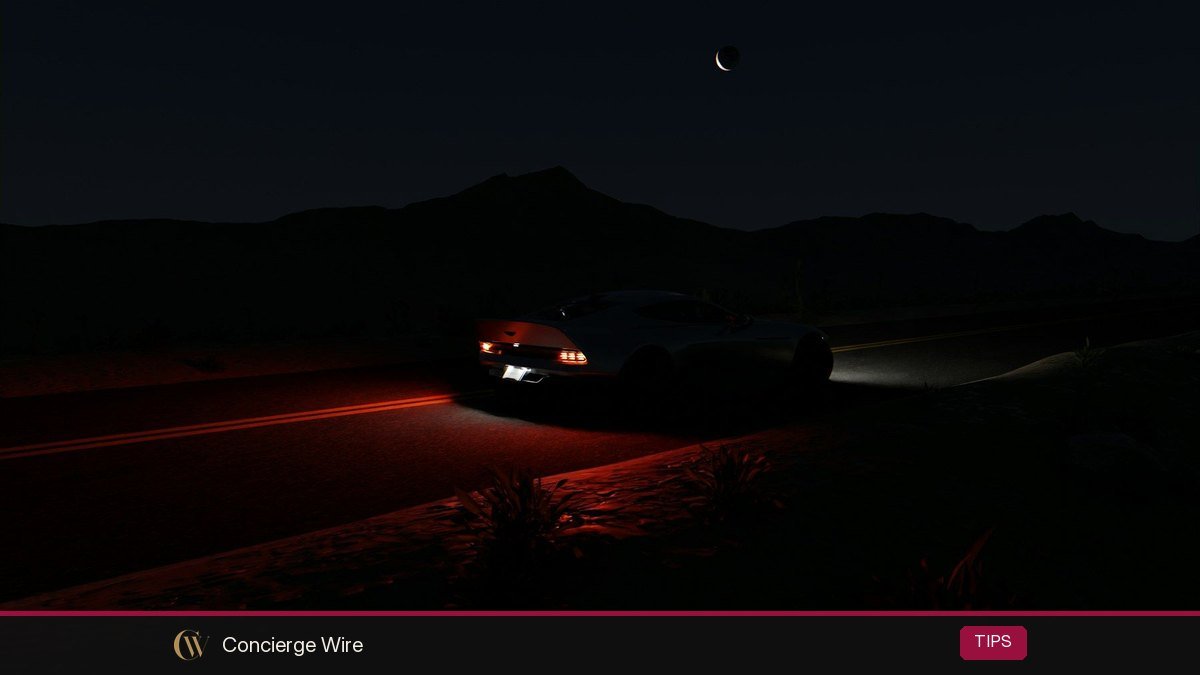
When daylight saving time ends on Sunday, November 1, 2026, many Americans’ evening commute moves into darkness overnight, right as deer activity peaks and drowsy driving becomes harder to notice. This guide covers the fall night-driving checks to do on your car, how to see and be seen, how to handle deer season, and how to recognize fatigue before it causes a crash. It focuses on darker evenings and night driving, not snow and ice preparation.
Updated October 2026.
Key Takeaways
- Clocks fall back at 2 a.m. on Sunday, Nov. 1, 2026, so sunset arrives about an hour earlier on the clock from that day.
- Clean, aim and test your headlights. IIHS data links good-rated headlights to about 19% fewer nighttime single-vehicle crashes than poor-rated ones.
- Use high beams whenever it is safe. IIHS found only 18% of drivers who could use them did so.
- November is the peak month for animal-collision insurance claims, according to State Farm. Do not swerve for deer.
- Drowsy driving is badly undercounted. Pull over at the first warning signs; coffee and an open window are not a fix.
Quick answer: Daylight saving time ends at 2:00 a.m. local time on Sunday, November 1, 2026, when clocks move back to 1:00 a.m. Hawaii and most of Arizona do not change. For safer fall night driving: clean and aim your headlights, use high beams on empty roads, slow down at dusk and dawn in deer areas, watch for pedestrians in dark clothing, and stop driving at the first signs of drowsiness.
Why Fall Evenings Are Riskier on the Road
Three things change at once in late October and November:
- Darkness arrives during rush hour. When clocks fall back on Nov. 1, many commuters who drove home in daylight suddenly drive home at dusk or in full dark, with more glare and less contrast.
- Deer are on the move. Fall is mating season, and deer are most active around dusk and dawn, the same hours as the commute.
- Pedestrians are harder to see. The Governors Highway Safety Association’s analysis of preliminary 2024 data found that drivers struck and killed 7,148 pedestrians in the U.S. that year, and that more than three-quarters of pedestrian fatalities occur after dark.
The good news is that most of the fixes are simple and cheap.
Fall Night-Driving Car Checklist
Do these checks the weekend before the time change. Most take minutes and need no tools.
| Check | How | Why it matters at night |
|---|---|---|
| Headlight lenses | Look for yellowing or haze; clean or restore | Cloudy lenses scatter and dim light |
| Headlight aim | Park facing a wall on level ground and compare left and right beam heights | Low aim shortens sight distance; high aim glares other drivers |
| All bulbs | Test low, high, fog, brake, turn signals, reverse and plate lights with a helper | A dead bulb makes you harder to see and judge |
| Windshield, inside and out | Clean with glass cleaner and a microfiber cloth | Inside film causes glare from oncoming lights |
| Wiper blades | Replace if streaking or chattering | Streaks turn headlights into starbursts in rain |
| Washer fluid | Top up with a fluid rated for your climate | Road grime builds fast on wet fall roads |
| Mirrors | Clean; check auto-dimming works | Reduces glare from vehicles behind |
| Dashboard brightness | Lower screen and dash brightness at night | Bright screens reduce your night vision |
| Tires | Check pressure and tread | Wet leaves and early frost reduce grip |
| Emergency kit | Flashlight, reflective triangles, phone charger, blanket | Breakdowns are more dangerous in the dark |
If your headlights look aimed unevenly or very low, have a shop check them. Aiming is a quick job for most service departments.
See and Be Seen: Headlights and High Beams
Headlights vary a lot from car to car. The Insurance Institute for Highway Safety’s headlight research reports that 46% of headlight systems it tested on model year 2026 vehicles earned a good rating. IIHS also found that vehicles with good-rated headlights have about 19% fewer nighttime single-vehicle crashes and 23% fewer nighttime pedestrian crashes than those with poor-rated headlights.
Use your high beams more
Many drivers rarely use high beams. IIHS reports that only 18% of drivers who could safely use them did so. The difference is large: in one IIHS example, an obstacle was visible at 202 feet on low beams and 533 feet on high beams. Use high beams on dark roads with no oncoming traffic or vehicles close ahead, and dip them promptly when you meet another driver.
If your car has automatic high-beam assist, turn it on. It uses a camera to switch between high and low beams, and you can still switch manually.
Reduce glare
- Look toward the right edge of your lane when an oncoming car’s lights are bright, then return your eyes to the road ahead.
- Keep the windshield clean inside; the haze from interior plastics and breath builds up surprisingly fast.
- Use the night setting on your rearview mirror.
- Avoid tinted glasses marketed for night driving unless your eye doctor recommends them; they reduce the light reaching your eyes.
If night glare has become noticeably worse, or you struggle to see road signs after dark, book an eye exam. Changes in night vision can have medical causes, so consult an eye doctor rather than guessing.
Deer Season: How to Avoid an Animal Collision
Fall is peak season for deer crashes. State Farm’s latest animal collision analysis estimates more than 1.6 million animal collision insurance claims were filed from July 1, 2025 to June 30, 2026, puts the average U.S. driver’s odds at 1 in 145, and lists November, October and December as the top three months, in that order.
Highest-risk states
| Rank | State | Odds of an animal collision claim |
|---|---|---|
| 1 | West Virginia | 1 in 46 |
| 2 | Montana | 1 in 54 |
| 3 | Wisconsin | 1 in 62 |
| 4 | Pennsylvania | 1 in 64 |
| 5 | Michigan | 1 in 68 |
Source: State Farm, July 2025 to June 2026 claims estimate. These figures count insurance claims for all animals, not deer alone.
Most animal crashes damage cars rather than people, but not all. IIHS fatality data shows 210 people died in crashes involving collisions with animals in 2024.
What to do
- Slow down at dusk and dawn, especially near woods, fields, water and deer-crossing signs.
- Use high beams on dark rural roads when no one is coming. You will see eyeshine sooner.
- Expect more than one. If one deer crosses, others often follow.
- Brake firmly and stay in your lane. State Farm’s advice is not to swerve, because leaving your lane or the road can lead to a worse crash.
- Honk and tap the brakes to warn the animal and drivers behind you if you have time.
- Skip the deer whistle. State Farm notes there is no scientific evidence that car-mounted deer whistles work.
- Wear your seat belt every trip.
If you hit a deer
- Pull over safely, turn on hazard lights and check everyone for injuries.
- Do not approach the animal. An injured deer can kick and cause serious harm.
- Call police if the animal is blocking traffic, if anyone is hurt, or if your state requires a report.
- Photograph the damage and the scene.
- Call your insurer. Animal strikes are usually covered under comprehensive coverage rather than collision; check your policy.
- Have the car inspected before driving far if lights, the radiator or the hood are damaged.
Drowsy Driving: The Risk That Hides in the Statistics
Shorter days, the time change and holiday travel all add to fatigue. Official crash data captures only part of the problem. Federal figures counted 633 people killed in drowsy-driving crashes in 2023, but a 2026 GHSA analysis estimated that more than 6,300 people died in suspected drowsy-driving crashes that year, roughly ten times the official count, because fatigue leaves no testable evidence after a crash. In the same analysis, GHSA noted that nearly 20% of Americans told the AAA Foundation for Traffic Safety they had driven drowsy at least once in the past month.
Warning signs to stop driving
- Frequent yawning or heavy eyelids
- Drifting from your lane or hitting a rumble strip
- Missing your exit or not remembering the last few miles
- Tailgating without meaning to, or varying speed
- Restlessness, irritability or nodding
What actually helps
- Sleep before the drive. There is no substitute.
- Stop and rest. If you notice warning signs, find a safe place, such as a rest area or well-lit parking lot, and take a short nap.
- Share the driving on long trips and swap every couple of hours.
- Avoid driving during your usual sleep hours when you can, especially in the first week after the time change.
- Check medications. Some prescription and over-the-counter drugs cause drowsiness. Ask your pharmacist or doctor if you are unsure.
Opening the window, turning up the radio or drinking coffee can make you feel more alert briefly, but they do not replace sleep.
Sharing Dark Roads With Pedestrians and Cyclists
With pedestrian deaths concentrated after dark, drivers need to adjust habits in the evening:
- Slow down in neighborhoods, near schools, bus stops and shopping centers after sunset.
- Scan sidewalks and crosswalks, not just the lane ahead.
- Be especially careful when turning, when your headlights sweep away from pedestrians at the corner.
- Expect people in dark clothing, joggers and dog walkers in the early evening.
- On Halloween night and during holiday events, assume children may dart between parked cars.
If you walk or run after dark yourself, wear reflective gear or carry a light.
Extra Tips for New and Older Drivers
Night driving is a skill, and the first dark commute of the season is a bigger adjustment for some drivers than others.
Teen and newly licensed drivers
Many states limit late-night driving for new drivers under graduated licensing rules, so check your state’s current restrictions. Even where it is allowed, parents can schedule a few supervised practice drives after dark in the first weeks of November, covering rural roads with no streetlights, rain at night, and busy parking lots after sunset. Talk through when to use high beams and what to do if a deer appears.
Older drivers
Many people find glare and low-light vision get harder with age. Plan errands for daylight when possible, choose well-lit main roads over dark shortcuts, and keep glasses clean and up to date. If night driving starts to feel stressful, an eye exam and a refresher driving course are practical first steps.
First Week After the Time Change: A Plan
| When | Action |
|---|---|
| Weekend before (Oct. 31 to Nov. 1) | Do the car checklist; set manual clocks back; go to bed at your usual time |
| Monday, Nov. 2 | Leave a few minutes early; expect darker, slower traffic on the drive home |
| First week | Use high beams on dark stretches; slow down at dusk in rural areas |
| Thanksgiving travel | Plan driving in daylight where possible; share driving; stop if drowsy |
Frequently Asked Questions
When does daylight saving time end in 2026?
Daylight saving time ends at 2:00 a.m. local time on Sunday, November 1, 2026, when clocks fall back one hour. Hawaii and most of Arizona do not observe daylight saving time.
Is it legal to drive with high beams on?
Yes, on roads where they will not blind others. State laws generally require you to dim them for oncoming traffic and when following another vehicle closely. Check your state’s driver manual for the exact distances.
What month has the most deer collisions?
State Farm’s latest data lists November as the top month for animal collision claims, followed by October and December.
Should I swerve to avoid a deer?
No. Brake firmly and stay in your lane. Swerving can send you into oncoming traffic, a tree or a ditch, which can be more dangerous than hitting the animal.
Does car insurance cover hitting a deer?
Typically, damage from hitting an animal falls under comprehensive coverage, not collision. Coverage varies, so check your policy or ask your insurer.
How can I reduce headlight glare at night?
Keep the windshield clean inside and out, look toward the right edge of your lane when a car approaches, use your mirror’s night setting, and have your own headlights aimed correctly so you are not glaring others.
Small Habits, Darker Evenings
You cannot change when the sun sets, but you can change how ready you are for it. Spend twenty minutes on your lights and glass before November 1, use your high beams more, slow down at dusk in deer country, and treat drowsiness as a reason to stop rather than something to push through. Those habits cost almost nothing and cover the biggest fall night-driving risks.