20 Hearty Winter Stew and Chili Recipes (Plus Freezer Tips)
Beef, chicken, chili and vegetarian stew recipes for cold nights, each with a freezer note, plus how to cool, freeze, thaw and reheat big batches safely.
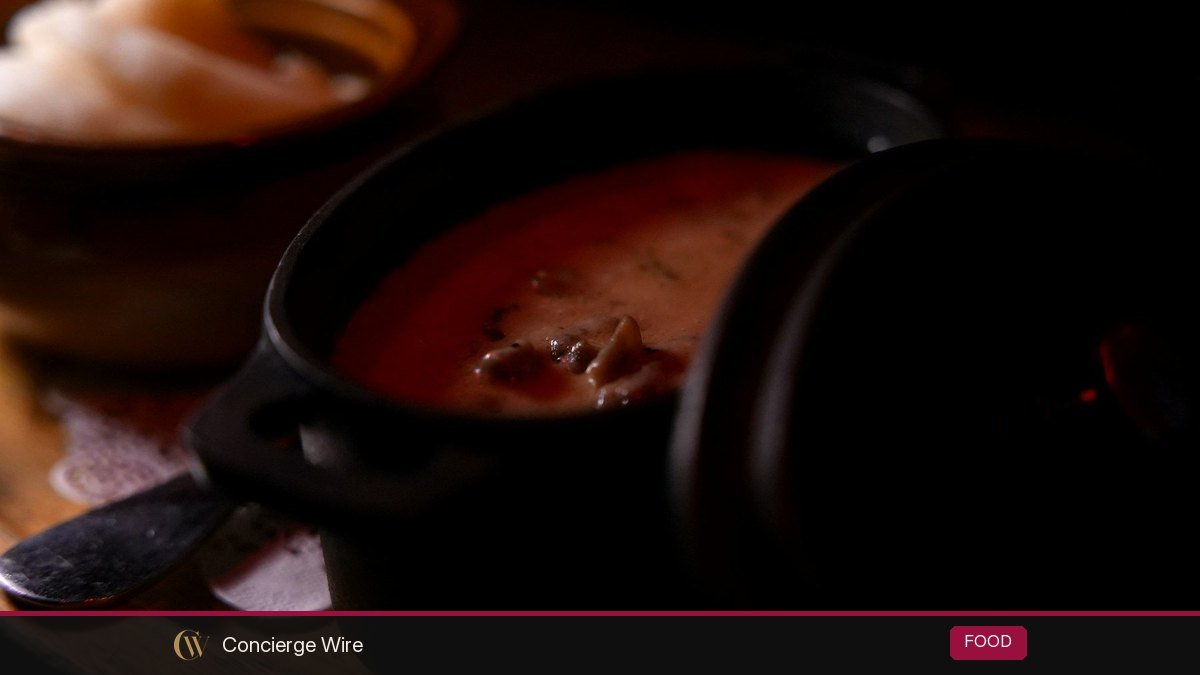
Here are 20 hearty winter stews and chilis, from a classic beef stew to a white chicken chili and a smoky black bean version, each with the key ingredients, the method in a few lines and a note on how well it freezes. You’ll also find a simple formula for building your own stew from whatever’s in the fridge, plus freezer tips so a single Sunday of cooking feeds you for weeks.
Key Takeaways
- Most stews and chilis taste better on day two, which makes them ideal for batch cooking.
- Brown the meat in batches, build flavor with onions, garlic and tomato paste, then simmer low and slow. That’s 80% of a great stew.
- Bean, beef and chili recipes freeze very well. Dairy-heavy stews and potato chunks are less reliable; add those when reheating.
- Cool leftovers quickly, refrigerate within two hours, eat within 3 to 4 days or freeze for best quality within 3 to 4 months.
- Label every container with the name and date. Future you will be grateful.
The Basic Stew Formula
Almost every stew follows the same pattern. Once you know it, you can improvise with whatever’s on sale.
| Step | What to do | Why it matters |
|---|---|---|
| 1. Sear | Brown meat in batches in a hot, heavy pot with a little oil | Browning builds deep, savory flavor; crowding the pot steams the meat instead |
| 2. Aromatics | Cook onion, carrot, celery, garlic in the drippings | The base layer of flavor |
| 3. Concentrate | Stir in tomato paste and spices for a minute or two | Toasting deepens both |
| 4. Deglaze | Add broth, wine, beer or water and scrape the bottom | The browned bits are flavor |
| 5. Simmer | Low heat, lid ajar, until meat is tender | Tough cuts need time to soften |
| 6. Finish | Add quick-cooking vegetables late; finish with acid and herbs | A splash of vinegar or lemon brightens heavy flavors |
The cuts that make the best stews are the cheap, tough ones: beef chuck, pork shoulder, lamb shoulder and chicken thighs. Lean cuts like sirloin or chicken breast dry out with long cooking.
Beef and Pork Stews
1. Classic American Beef Stew
Key ingredients: beef chuck, onion, carrots, celery, potatoes, tomato paste, beef broth, thyme, bay leaf.
Sear 2 to 3 pounds of cubed chuck in batches, then soften the vegetables (except potatoes) in the same pot. Add tomato paste, a spoonful of flour, broth and herbs, then simmer covered for about 2 hours. Add potato chunks for the last 40 minutes. Freezer note: freezes well, but potatoes can turn grainy. Freeze without them and add fresh when reheating, or accept the texture change.
2. Beef and Guinness-Style Stout Stew
Key ingredients: beef chuck, stout beer, onions, carrots, parsnips, tomato paste, a teaspoon of brown sugar.
Follow the classic method but replace half the broth with stout. The sugar balances the beer’s bitterness. Serve over mashed potatoes or with crusty bread. Freezer note: excellent.
3. Beef Bourguignon (Weeknight Version)
Key ingredients: beef chuck, bacon, mushrooms, pearl onions (frozen work fine), red wine, beef broth, garlic, thyme.
Crisp bacon first and brown the beef in the fat. Simmer the beef with wine, broth and herbs for about 2 hours, sautéing mushrooms and onions separately and adding them near the end so they keep their shape. Freezer note: freezes beautifully.
4. Pork and Green Chile Stew
Key ingredients: pork shoulder, roasted green chiles (canned or frozen), onion, garlic, cumin, oregano, chicken broth, potatoes.
A Southwestern favorite. Brown cubed pork, add aromatics and spices, then chiles and broth. Simmer until the pork falls apart, about 90 minutes. Serve with warm tortillas. Freezer note: very good; add potatoes fresh if you prefer firmer texture.
5. Hungarian-Style Goulash
Key ingredients: beef chuck, lots of onions, sweet paprika, caraway seeds, bell peppers, tomatoes, broth.
Cook several sliced onions slowly until golden, then stir in paprika off the heat so it doesn’t scorch. Add beef, peppers, tomatoes and broth and simmer until tender. Serve over egg noodles with a spoonful of sour cream. Freezer note: freezes well; add sour cream only when serving.
Chicken and Turkey Stews
6. Chicken and Dumplings
Key ingredients: chicken thighs, onion, carrots, celery, chicken broth, peas, biscuit-style dumpling dough.
Simmer the chicken in broth with vegetables until cooked, shred it, and return it to the pot. Drop spoonfuls of dumpling dough on top, cover and steam for about 15 minutes without lifting the lid. Freezer note: freeze the stew base only; make dumplings fresh.
7. Chicken Cacciatore Stew
Key ingredients: bone-in chicken thighs, onions, bell peppers, mushrooms, garlic, canned tomatoes, olives, rosemary.
Brown the chicken skin-side down, then build a chunky tomato sauce with the vegetables. Nestle the chicken back in and simmer until tender. Serve over polenta or pasta. Freezer note: good.
8. Turkey and Wild Rice Stew
Key ingredients: cooked turkey (great for leftovers), wild rice, mushrooms, carrots, celery, chicken or turkey broth, thyme, a splash of cream.
Simmer the wild rice in broth with the vegetables until tender, then add turkey and warm through. Finish with a little cream. Freezer note: the rice keeps absorbing liquid, so add extra broth when reheating; add cream after thawing.
9. Moroccan-Spiced Chicken and Chickpea Stew
Key ingredients: chicken thighs, chickpeas, onion, garlic, ginger, cumin, cinnamon, paprika, canned tomatoes, dried apricots, lemon.
Brown the chicken, then toast the spices with onion, garlic and ginger. Add tomatoes, chickpeas, chopped apricots and broth. Simmer about 40 minutes and finish with lemon and cilantro. Serve with couscous. Freezer note: excellent.
Chili Recipes
10. Classic Beef and Bean Chili
Key ingredients: ground beef, onion, garlic, chili powder, cumin, canned tomatoes, kidney and pinto beans, a little cocoa powder (optional).
Brown the beef well, drain excess fat, then cook onion and garlic. Toast the spices, add tomatoes and beans and simmer at least 45 minutes. The cocoa adds depth without tasting like chocolate. Freezer note: one of the best freezer meals there is.
11. Texas-Style Chili (No Beans)
Key ingredients: beef chuck cut into small cubes, dried chiles (ancho, guajillo), garlic, cumin, oregano, beef broth, masa harina to thicken.
Toast and soak the dried chiles, then blend them into a paste. Brown the beef, add the paste and broth, and simmer for 2 to 3 hours. Stir in a spoonful of masa harina mixed with water at the end to thicken. Freezer note: excellent.
12. White Chicken Chili
Key ingredients: chicken thighs or breast, white beans, onion, garlic, green chiles, cumin, oregano, chicken broth, cream cheese or sour cream, lime.
Simmer the chicken with broth, beans, chiles and spices, then shred it. Mash some of the beans to thicken. Stir in cream cheese at the end and finish with lime. Freezer note: freeze before adding dairy; stir it in when reheating.
13. Turkey and Sweet Potato Chili
Key ingredients: ground turkey, sweet potatoes, black beans, onion, bell pepper, chili powder, smoked paprika, canned tomatoes.
A lighter chili with natural sweetness. Brown the turkey, add vegetables and spices, then tomatoes, beans and cubed sweet potato. Simmer until the potato is tender, about 30 minutes. Freezer note: good; sweet potato holds up better than white potato.
14. Smoky Black Bean Chili (Vegetarian)
Key ingredients: black beans, onion, bell peppers, corn, chipotle peppers in adobo, cumin, canned fire-roasted tomatoes.
Chipotle provides the smoky depth meat usually brings. Mash a cup of the beans to thicken. Top with avocado, lime and crushed tortilla chips. Freezer note: excellent.
15. Cincinnati-Style Chili
Key ingredients: ground beef, onion, tomato sauce, chili powder, cinnamon, allspice, cloves, a little unsweetened chocolate.
A regional classic with warm spices and a thin, saucy texture. The ground beef traditionally simmers in liquid rather than being browned first. Serve over spaghetti with shredded cheddar, onions or beans. Freezer note: very good.
Vegetarian and Bean Stews
16. Lentil and Vegetable Stew
Key ingredients: brown or green lentils, onion, carrots, celery, garlic, canned tomatoes, vegetable broth, spinach, smoked paprika.
No soaking needed. Simmer lentils with vegetables and broth for about 30 to 35 minutes until tender, then wilt in spinach. A splash of red wine vinegar at the end lifts it. Freezer note: excellent; add spinach fresh if you like a brighter green.
17. Tuscan White Bean and Kale Stew
Key ingredients: cannellini beans, kale, garlic, onion, rosemary, canned tomatoes, vegetable broth, a parmesan rind.
The parmesan rind simmered in the pot adds a savory depth. Serve with crusty bread and a drizzle of olive oil. Freezer note: very good.
18. Chickpea and Sweet Potato Curry Stew
Key ingredients: chickpeas, sweet potatoes, onion, garlic, ginger, curry powder, coconut milk, spinach.
Cook aromatics and curry powder, add sweet potatoes, chickpeas and coconut milk, and simmer about 25 minutes. Serve over rice. Freezer note: good; coconut milk may separate slightly but recombines when stirred.
19. Mushroom and Barley Stew
Key ingredients: mixed mushrooms, pearl barley, onion, carrots, celery, garlic, thyme, vegetable broth, soy sauce.
Brown the mushrooms well for a meaty flavor, then add vegetables, barley and broth. Simmer about 45 minutes. A spoonful of soy sauce adds savory depth. Freezer note: barley thickens as it sits; thin with broth when reheating.
20. Three-Bean Vegetable Chili
Key ingredients: kidney, black and pinto beans, zucchini, bell peppers, onion, corn, chili powder, cumin, canned tomatoes.
A budget-friendly pot that feeds a crowd. Sauté the vegetables, add spices, tomatoes and beans, and simmer 30 minutes. Top with cheese, sour cream and green onions. Freezer note: excellent.
How to Freeze Stews and Chilis Safely
Batch cooking only works if the food is safe and still tastes good after thawing. The University of Illinois Extension’s leftovers food safety guidance covers the basics: refrigerate or freeze leftovers within two hours of serving, use refrigerated leftovers within 3 to 4 days, use frozen leftovers within 3 to 4 months for best quality, and reheat to at least 165°F.
Cooling a big pot quickly
- Don’t put a whole hot stockpot straight into the fridge. It cools slowly in the center and warms everything around it.
- Divide stew into smaller, shallow containers so it cools faster.
- Stir it, or set the pot in a sink of ice water for a few minutes to bring the temperature down.
Packing for the freezer
- Portion first. Freeze in single or family-size portions so you thaw only what you need.
- Leave headspace. Liquids expand when frozen. Iowa State University Extension’s guide to freezing homemade soup suggests about half an inch of headspace for pint containers and an inch for quarts. It also recommends adding freshly cooked potatoes when serving rather than freezing them in the pot.
- Freeze flat. Zip-top freezer bags laid flat on a tray freeze quickly and then stack like files.
- Label everything. Write the name and date on each container, as the Illinois Extension recommends. “Chili, Jan 12” saves a lot of guessing.
- Leave out the fragile stuff. Dairy, fresh herbs, pasta, dumplings and crunchy toppings are best added when you reheat.
What freezes well and what doesn’t
| Freezes well | Freeze with care | Add fresh after thawing |
|---|---|---|
| Beef, pork and lamb stews | Stews with white potatoes (can turn grainy) | Sour cream, cream cheese, heavy cream |
| Bean and lentil stews | Coconut milk stews (may separate; stir to fix) | Fresh herbs, lime, lemon |
| Chili of every kind | Grain stews (rice and barley thicken; add broth) | Pasta, noodles, dumplings |
| Tomato-based chicken stews | Delicate greens like spinach (soften) | Cheese, chips, avocado, croutons |
Thawing and reheating
- Thaw overnight in the fridge, not on the counter.
- Or reheat directly from frozen in a covered pot over low heat, adding a splash of water or broth and stirring often.
- Bring it to a full simmer and heat to at least 165°F.
- Taste and adjust. Frozen stews often need a pinch of salt and a squeeze of acid to wake up.
Make-Ahead Tips for Busy Weeks
- Cook twice the amount, freeze half. A large pot takes barely longer than a small one.
- Prep the base in advance. Chop onions, carrots and celery on the weekend and refrigerate them for weeknight stews.
- Use a slow cooker or pressure cooker for hands-off cooking. Brown the meat first if you have time; it makes a noticeable difference in flavor. Follow your appliance’s manual for timing.
- Keep a “stew pantry.” Canned tomatoes, beans, broth, tomato paste, dried spices and onions mean you can always make something.
- Plan your toppings. Shredded cheese, sour cream, green onions and crusty bread turn a reheated bowl into a proper dinner.
If you’re cooking for someone with food allergies or a medical diet, check every ingredient label, especially broths, spice blends and canned goods, and follow the advice of their doctor or dietitian.
Frequently Asked Questions
What’s the difference between a stew and a chili?
A stew is any dish of chunks of meat or vegetables slowly simmered in a small amount of liquid. Chili is a type of stew built around chile peppers and spices like cumin, usually with ground or cubed meat and often beans.
Why does stew taste better the next day?
Resting overnight lets flavors blend and the sauce thicken as gelatin from the meat sets. It’s one reason stews are such good make-ahead meals.
How long does chili last in the freezer?
For best quality, eat frozen leftovers within about 3 to 4 months, per University of Illinois Extension guidance. Food kept continuously frozen stays safe longer, but flavor and texture decline.
Can I freeze stew with potatoes in it?
You can, but potatoes often become grainy or mushy after freezing. For better results, freeze the stew without potatoes and add freshly cooked ones when reheating.
How do I thicken a stew that’s too thin?
Simmer it uncovered to reduce, mash some of the beans or vegetables into the liquid, or stir in a slurry of cornstarch or flour mixed with cold water and simmer a few minutes more.
What’s the best pot for stew?
A heavy Dutch oven is ideal because it browns well and holds steady heat on the stove or in the oven. Any heavy-bottomed pot with a lid will work.
Start With One Pot This Weekend
Pick two recipes from this list: one to eat this week and one to freeze. A classic beef and bean chili and a lentil stew make a good first pair because both are forgiving, cheap and freezer-friendly. By January you’ll have a small library of homemade dinners waiting, and cold, dark evenings get a lot easier when dinner only needs reheating.