Black Friday 2026 and Cyber Monday: Dates, Deals and Scam Tips
All the key 2026 holiday sale dates in one table, plus how to verify a deal, which return policies to check and how to avoid the scams that spike in November.
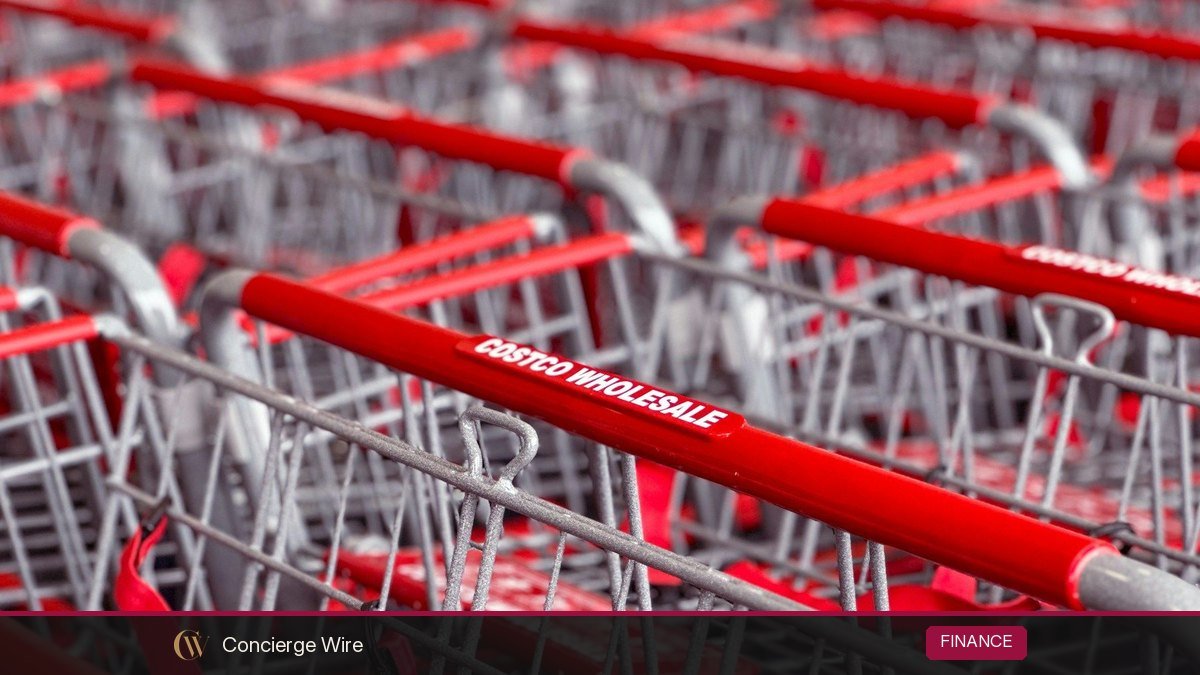
Black Friday 2026 is Friday, November 27, and Cyber Monday is Monday, November 30. This guide puts every key date of the 2026 holiday sales week in one table, then shows you how to check whether a “deal” is really a deal, which return policies to read before you buy, and how to spot the scams that spike every November, using guidance from the Federal Trade Commission.
Updated October 2026.
Key Takeaways
- Thanksgiving is Nov. 26, Black Friday Nov. 27, Small Business Saturday Nov. 28, Cyber Monday Nov. 30 and GivingTuesday Dec. 1, 2026.
- Check price history before you buy. Many “doorbuster” prices match prices seen earlier in the fall.
- Read return windows, restocking fees and who pays return shipping before checkout, especially for electronics and sale items.
- Pay with a credit card where you can. The FTC says it gives you the most protection if something goes wrong.
- Never click delivery or “order problem” links in unexpected texts or emails. Go to the retailer or carrier site directly.
Quick answer: Black Friday 2026 falls on Friday, November 27, 2026, the day after Thanksgiving (Thursday, Nov. 26). Cyber Monday is Monday, November 30, 2026. Many retailers start sales earlier in November and extend them through the following week, so the “Cyber Week” window runs roughly from Thanksgiving through Monday or beyond.
Black Friday and Cyber Monday 2026: Key Dates
Thanksgiving is always the fourth Thursday of November, and the rest of the shopping calendar follows from it. Here is the 2026 sequence:
| Day | Date | What usually happens |
|---|---|---|
| Early November | Nov. 1 onward | “Early Black Friday” sales begin at many large retailers; holiday return windows often start around this time |
| Thanksgiving Day | Thursday, Nov. 26 | Online deals go live; many stores closed or open limited hours |
| Black Friday | Friday, Nov. 27 | Biggest in-store day; heavy online traffic |
| Small Business Saturday | Saturday, Nov. 28 | Promotions at independent local shops |
| Sunday | Nov. 29 | Sales continue; some retailers preview Cyber Monday prices |
| Cyber Monday | Monday, Nov. 30 | Online-focused deals, especially tech and subscriptions |
| GivingTuesday | Tuesday, Dec. 1 | Global day of charitable giving |
| Cyber Week extensions | Dec. 1 onward | Many sales extended or relaunched as “Cyber Week” deals |
Store hours on Thanksgiving and Black Friday vary by chain and location, and many retailers announce their plans only in November. Check the store’s website or app the week before rather than relying on last year’s hours.
How big is the event?
Online, Cyber Monday has become the bigger day. Adobe Analytics reported that U.S. shoppers spent a record $14.25 billion online on Cyber Monday 2025 and $11.8 billion online on Black Friday 2025, with $44.2 billion across the five days from Thanksgiving through Cyber Monday. Adobe also reported record buy now, pay later spending on Cyber Monday. Those are 2025 figures; 2026 results will not be known until after the weekend.
Before the Sales Start: A Two-Week Prep Plan
The best Black Friday purchases are planned. Impulse buys driven by countdown timers are where people overspend. Use the two weeks before Thanksgiving to get ready:
- Write a list with a price ceiling for each item. Decide what you will pay before you see the ads.
- Record today’s prices. Screenshot or note the current price for every item on your list so you can compare on the day.
- Set up price alerts. Use a price-tracking tool or a retailer’s wish list alerts (more below).
- Check your accounts. Update passwords, turn on two-factor authentication for shopping and email accounts, and confirm your shipping address.
- Know your budget and payment plan. If you are considering buy now, pay later, read the terms on late fees and how missed payments are handled.
- Read return policies in advance for the stores you plan to use, so you are not reading fine print at midnight.
How to Tell If a Black Friday Deal Is Real
A big “was” price next to a sale price does not prove a discount. Retailers often compare against a list price that few people ever paid. Here is how to check.
Use price history, not the advertised savings
Price-history tools show what an item actually sold for over recent months. For Amazon listings, browser extensions and sites that chart price history are widely used. Google Shopping can also show price insights for many products and lets you track a product’s price. If the Black Friday price matches a price from September or October, it is a normal sale, not a once-a-year deal.
Compare the total cost
The FTC’s online shopping tips recommend comparing total costs, not just sticker prices. Add shipping, taxes, any membership fee needed to get the deal, and accessories you will have to buy separately.
Watch for model-number tricks
Some TVs and appliances sold during the holiday rush carry model numbers that differ slightly from the versions reviewed online, sometimes with different ports, panels or components. Compare the exact model number to reviews and spec sheets before buying.
Read reviews critically
The FTC’s rule on consumer reviews and testimonials took effect on October 21, 2024, and bans fake reviews, including AI-generated ones, and paying for reviews that express a particular sentiment. Fake reviews still appear, though, so look for detailed reviews from verified buyers, check the date spread, and be wary of products with many short five-star reviews posted at the same time.
Deal-checking checklist
- Is the price lower than the lowest price in the last 90 days?
- Is it the exact model or version I researched?
- Is the seller the retailer itself, or a third-party marketplace seller?
- What is the total with shipping and tax?
- Can I return it, and who pays return shipping?
- Would I buy it at this price if there were no countdown timer?
Return Policies to Check Before You Buy
Holiday purchases are often gifts, so the return window matters as much as the price. The FTC advises checking whether you can get a full refund, who pays return shipping, how many days you have, and whether there is a restocking fee. It also warns that sale and clearance items may have different return rules.
| What to check | Why it matters | Where to find it |
|---|---|---|
| Holiday return window | Many retailers extend returns for items bought in November and December | Retailer’s returns or holiday policy page |
| Category exceptions | Electronics, phones and some brands often have shorter windows | Fine print on the policy page |
| Restocking fees | Can reduce your refund on opened items | Returns policy, product page |
| Return shipping cost | Can wipe out the savings on low-cost items | Returns policy |
| Marketplace sellers | Third-party sellers may have their own policies | Seller profile on the listing |
| Gift receipts | Lets the recipient return or exchange | Checkout options |
| Refund method | Some returns get store credit only | Returns policy |
As an example of an extended window, Amazon’s 2025 holiday return policy said most items bought between November 1 and December 31 could be returned until January 31, 2026, with a shorter deadline of January 15 for Apple-branded products. Retailers set these policies each year, so confirm the 2026 version before you rely on it.
Price drops after you buy
Some retailers offer price adjustments if an item’s price falls within a set period after purchase, and others explicitly exclude Black Friday. If a price drops and the store will not adjust, returning the item and rebuying at the lower price may be an option where the return policy allows it. Read the terms first.
Black Friday Scams and How to Avoid Them
Scammers follow the shoppers. The most common November schemes are fake stores, delivery texts and payment tricks.
Fake shopping sites and social media ads
Fraudulent sites copy the look of real brands and advertise prices that are far below everyone else’s. The FTC notes that “https” in a web address does not prove a site is legitimate, because scammers can encrypt sites too. Before buying from an unfamiliar store, search the store’s name with words like “scam” or “complaint,” check that it lists a real physical address and phone number, and be skeptical of social media ads for deeply discounted brand-name goods.
Fake delivery and order-problem messages
Texts and emails saying a package could not be delivered, or that an order has a problem, are common during the holidays. The FTC’s advice on how to avoid a scam is not to click links in unexpected messages, even if they seem to come from a real company. Instead, contact the company through a website you trust or a phone number you look up yourself.
Payment red flags
The FTC says the biggest warning sign is a demand for a specific payment method. Scammers ask for gift cards, wire transfers, payment apps or cryptocurrency, and the FTC advises never paying anyone who insists on those methods. Legitimate retailers take credit cards at checkout.
Gift card traps
Buy gift cards from the rack only if the packaging is intact, or buy them directly from the retailer online. Federal rules generally require that gift card funds not expire for at least five years from purchase or the last time money was loaded, and some states go further. Never use a gift card to “pay” a caller or a stranger online.
Scam warning signs at a glance
- A price far below every other retailer for a popular item
- Pressure to buy immediately or lose the deal “forever”
- A site with no contact details, odd domain spelling, or a brand-new domain
- Requests to pay by gift card, wire, payment app or crypto
- Unexpected messages asking you to “confirm” payment or delivery details
Your Rights If Something Goes Wrong
Late or missing orders
Under FTC rules for mail, internet and phone orders, sellers must ship within the time they advertise. If no time is stated, the FTC says they must ship within 30 days of receiving your order and payment. If a seller cannot ship on time, it must tell you and give you the option to cancel for a refund.
Disputing a credit card charge
The FTC says paying by credit card best protects you if something goes wrong. If you are charged twice, billed for something you never received, or sent the wrong or a defective item, you can dispute the charge. The FTC advises contacting your card company within 60 days of the date of the first bill showing the error, and asking it to temporarily withhold payment while it investigates.
Reporting fraud
If a problem cannot be resolved with the seller, the FTC directs consumers to report it at ReportFraud.ftc.gov. Also contact your bank or card issuer immediately if you shared card details with a suspicious site.
Consumer protection rules and retailer policies change. Check the official FTC pages and your card issuer’s terms for the current details, and consult a professional for specific legal or financial questions.
Smart Ways to Shop Each Day of the Weekend
- Thanksgiving Day: Check online deals early on your list; many go live before the stores open.
- Black Friday: If you shop in person, go with your list and the prices you recorded. Big-ticket doorbusters often have very limited quantities.
- Small Business Saturday: A good day for gifts from local shops, which may offer personalization or wrapping that big stores do not.
- Cyber Monday: Compare items you skipped on Friday. Tech, software subscriptions and online-only brands often run their deepest promotions now.
- GivingTuesday: If you donate, give through the charity’s own website and check it with a charity evaluator first.
Frequently Asked Questions
What date is Black Friday 2026?
Black Friday 2026 is Friday, November 27, 2026, the day after Thanksgiving on Thursday, November 26.
When is Cyber Monday 2026?
Cyber Monday 2026 is Monday, November 30, 2026. Many retailers extend Cyber Monday deals into the following days as “Cyber Week.”
Are Black Friday deals really the lowest prices of the year?
Sometimes, but not always. Some items hit similar prices during earlier fall sales or after the holidays. Checking price history is the only reliable way to know.
Is it safer to pay with a credit card or debit card?
The FTC says paying by credit card best protects you in case of a scam or a problem with an order, because you can dispute the charge. Debit card protections differ, so check your bank’s terms.
How long do I have to return Black Friday purchases?
It depends on the retailer and product category. Many stores extend their return windows for holiday purchases, but electronics and some brands often have shorter limits. Read the policy before you buy.
How can I tell if a delivery text is a scam?
Treat any unexpected text or email about a delivery problem as suspicious. Do not click the link. Check the order status in the retailer’s app or website or on the carrier’s official site.
Shop With a List, Not a Timer
The shoppers who come out ahead on Black Friday 2026 will have done three things before November 26: written a list with price ceilings, recorded current prices, and read the return policies. Add a credit card, a healthy suspicion of unexpected messages and a habit of checking price history, and the countdown timers lose most of their power.