15 Easy Homemade Christmas Candy Recipes (Plus Gifting Tips)
Fifteen easy Christmas candies, from no-thermometer fudge and peppermint bark to toffee and brittle, with a sugar stages chart and gift-packing tips.
Updated November 2026 for Christmas 2026 (Friday, December 25).
Homemade Christmas candy looks impressive but most of it is simple: melt, stir, chill, cut. Below are 15 easy recipes, from no-thermometer fudge and peppermint bark to toffee, truffles and brittle, plus a candy thermometer stages table, make-ahead times and tips for packing candy as gifts.
Key Takeaways
- Eight of the 15 recipes need no candy thermometer at all; start with those if you are new to candy-making.
- Cooked candies depend on reaching the right sugar stage: soft ball for fudge, firm ball for caramels, hard crack for brittle and most toffee.
- At high altitude, lower the target temperature; Colorado State University Extension advises 2°F less for every 1,000 feet above sea level.
- Test your thermometer in boiling water before you start, and never leave boiling sugar unattended.
- Most candies here keep 1-2 weeks in airtight tins, so you can start gift batches around December 10-14.
Candy thermometer stages at a glance
Cooked sugar candy is all about water. The hotter the syrup gets, the more water has boiled away and the harder the candy sets. Sources give slightly different ranges, so use the temperature in your recipe; the table below combines the Exploratorium’s sugar stage chart with Colorado State University Extension’s candy-making guide.
| Stage | Temperature at sea level (°F) | Cold-water test | Used for |
|---|---|---|---|
| Thread | 230-235 | Forms a thin thread, no ball | Syrups, glazes |
| Soft ball | 234-240 | Soft ball that flattens when removed | Fudge, pralines, fondant |
| Firm ball | 244-250 | Holds its shape but is still pliable | Caramels |
| Hard ball | 250-265 | Firm ball that still gives a little | Divinity, nougat, marshmallows |
| Soft crack | 270-290 | Threads that bend before breaking | Taffy, butterscotch, some toffees |
| Hard crack | 300-310 | Brittle threads that snap | Brittle, lollipops, English toffee |
| Caramelized | About 320-338 | Sugar turns golden to brown | Caramel sauce, spun sugar |
Altitude: Colorado State Extension says to reduce recipe temperatures by 2°F for each 1,000 feet above sea level. Denver at about 5,280 feet would cook fudge to roughly 225-230°F instead of 235-240°F. The Exploratorium gives an equivalent rule (1°F per 500 feet).
Calibrate first: Put your thermometer in a pot of rapidly boiling water. At sea level it should read 212°F. If it reads 210°F, subtract 2 degrees from every target in your recipe. At altitude, water boils at a lower temperature, which is why this test is useful everywhere.
Safety: Boiling sugar causes serious burns. Use a heavy pot with high sides, keep kids and pets out of the kitchen while it cooks, and keep a bowl of ice water nearby for emergencies.
No-thermometer candies (beginner-friendly)
1. Three-ingredient chocolate fudge
You need: 3 cups semisweet chocolate chips, one 14-ounce can sweetened condensed milk, 4 tablespoons butter, 1 teaspoon vanilla, pinch of salt.
Method: Line an 8×8-inch pan with parchment. Melt chips, condensed milk and butter over low heat (or in 30-second microwave bursts), stirring until smooth. Stir in vanilla and salt, spread in the pan and chill until firm, about 3 hours. Cut into 1-inch squares. Add chopped walnuts, crushed candy canes or a swirl of peanut butter for variations.
2. Peppermint bark
You need: 12 ounces good semisweet or dark chocolate, 12 ounces white chocolate, 1/2 teaspoon peppermint extract (optional), 6 crushed candy canes.
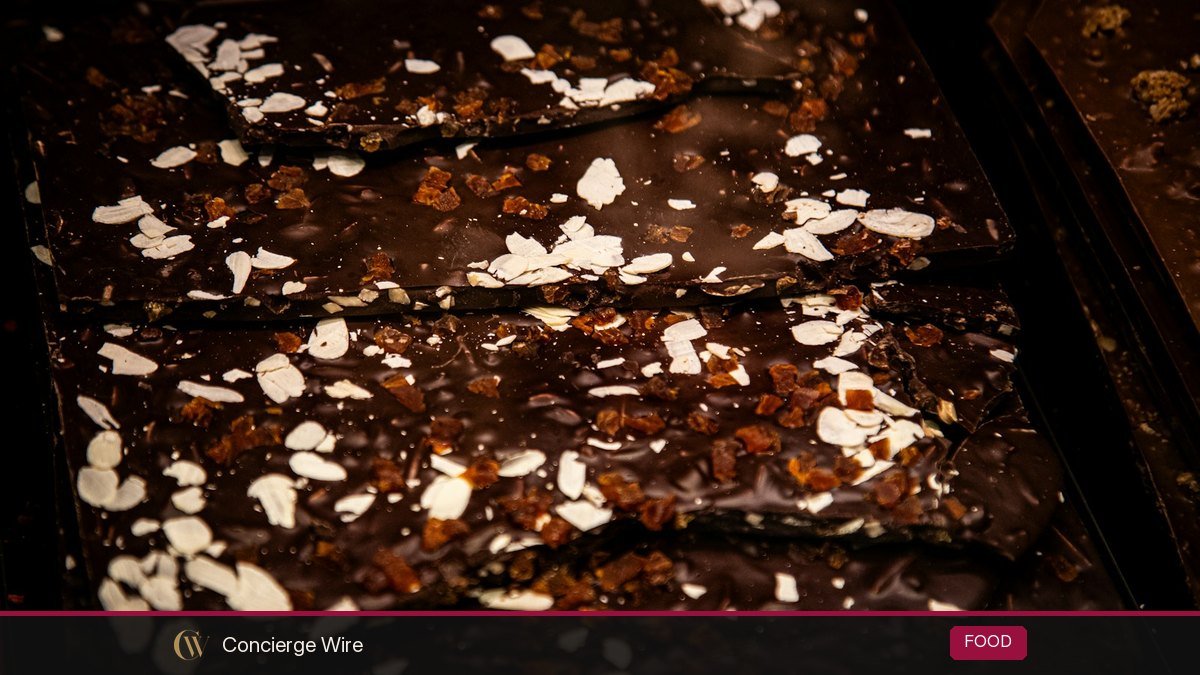
Method: Line a sheet pan. Melt the dark chocolate gently and spread it about 1/4 inch thick. Chill 15-20 minutes until just set. Melt the white chocolate, stir in extract, spread over the dark layer, sprinkle candy cane pieces and press lightly. Chill until firm and break into shards. Tip: if the layers separate when you break it, the dark layer was chilled too long; spread the white layer while the dark is set but still slightly cool, not cold.
3. Chocolate truffles
You need: 8 ounces bittersweet chocolate (finely chopped), 1/2 cup heavy cream, 1 tablespoon butter, cocoa powder for rolling.
Method: Heat cream until it just simmers, pour over chocolate, wait 2 minutes and stir into a glossy ganache. Stir in butter. Chill 2 hours until scoopable. Scoop teaspoon-size balls, roll quickly between your palms and coat in cocoa, chopped nuts or sprinkles. Keep refrigerated because they contain fresh cream; take them out 20 minutes before serving.
4. Saltine cracker toffee
You need: About 40 saltines, 1 cup butter, 1 cup packed brown sugar, 2 cups chocolate chips, chopped pecans.
Method: Heat oven to 350°F. Line a rimmed sheet pan with foil and arrange crackers in a single layer. Boil butter and brown sugar together for 3 minutes, stirring, then pour over crackers and spread. Bake 5 minutes. Scatter chocolate chips, wait 3 minutes, spread smooth, top with nuts. Chill and break into pieces.
5. Peanut butter balls (buckeyes)
You need: 1 1/2 cups creamy peanut butter, 1/2 cup softened butter, 3-4 cups powdered sugar, 1 teaspoon vanilla, 2 cups chocolate chips plus 1 teaspoon coconut oil.
Method: Beat peanut butter, butter and vanilla, then add powdered sugar until the dough holds a ball. Roll 1-inch balls and freeze 20 minutes. Dip each in melted chocolate on a toothpick, leaving a small circle uncoated, and smooth the hole. Chill to set.
6. Chocolate-dipped pretzels
Dip pretzel rods two-thirds of the way into melted chocolate, roll in sprinkles, crushed peppermint or toffee bits, and set on parchment. Drizzle with white chocolate for a two-tone look. Kids can do most of this one.
7. Chocolate haystacks
Melt 1 cup butterscotch chips with 1 cup chocolate chips and 2 tablespoons peanut butter. Fold in about 3 cups crispy chow mein noodles and 1 cup salted peanuts. Drop spoonfuls onto parchment and chill.
8. Cranberry pistachio white chocolate bark
Melt 16 ounces white chocolate, spread on a lined pan, and scatter 1/2 cup dried cranberries and 1/2 cup shelled pistachios. Add flaky salt or orange zest. Red and green without any food coloring.
Thermometer candies (when you’re ready)
9. Old-fashioned chocolate fudge
You need: 2 cups sugar, 2/3 cup milk, 2 ounces unsweetened chocolate, 2 tablespoons light corn syrup, 2 tablespoons butter, 1 teaspoon vanilla.
Method: Combine sugar, milk, chocolate and corn syrup in a heavy saucepan. Stir over medium heat until the sugar dissolves, then stop stirring and cook to soft ball, about 234-236°F. Remove from heat, add butter without stirring, and cool undisturbed to about 110°F. Add vanilla and beat with a wooden spoon until the fudge thickens and loses its gloss, then spread quickly in a buttered pan. Beating too early causes grainy fudge.
10. English toffee
You need: 1 cup butter, 1 cup sugar, 3 tablespoons water, 1/2 teaspoon salt, 1 cup chocolate chips, 1/2 cup chopped toasted almonds.
Method: Melt butter with sugar, water and salt in a heavy pot, stirring constantly, and cook to hard crack, about 300°F, when it is the color of a peanut shell. Pour onto a lined sheet pan. Sprinkle chocolate chips on top, let them melt, spread, and add almonds. Cool completely and break. Note: chart sources differ on whether toffee belongs to soft crack or hard crack; most buttery English toffee recipes aim for about 295-300°F for a crisp snap.
11. Peanut brittle
You need: 1 cup sugar, 1/2 cup light corn syrup, 1/4 cup water, 1 cup raw peanuts, 1 tablespoon butter, 1 teaspoon baking soda, 1 teaspoon vanilla.
Method: Cook sugar, corn syrup and water to about 240°F, add peanuts and continue cooking, stirring, to hard crack (about 300°F). Remove from heat and quickly stir in butter, vanilla and baking soda (it will foam). Pour onto a buttered pan and spread thin. Break when cool. Measure everything before you start; the last step happens fast.
12. Soft salted caramels
You need: 1 cup heavy cream, 5 tablespoons butter, 1 teaspoon flaky salt, 1 1/2 cups sugar, 1/4 cup light corn syrup, 1/4 cup water.
Method: Warm cream, butter and salt. In a separate heavy pot, boil sugar, corn syrup and water until light golden. Carefully stir in the warm cream (it bubbles hard), then cook to firm ball, about 245-248°F. Pour into a parchment-lined 8×8 pan, sprinkle with salt, cool several hours, then cut and wrap in wax paper squares.
13. Divinity
Cook 2 1/2 cups sugar, 1/2 cup corn syrup and 1/2 cup water to hard ball (about 255-260°F), then pour in a thin stream into 2 stiffly beaten egg whites while beating, and keep beating until the mixture loses its gloss and holds shape. Fold in pecans and drop spoonfuls onto wax paper. Make it on a dry day; humidity can stop divinity from setting.
14. Homemade marshmallows
Bloom 3 packets of unflavored gelatin in 1/2 cup cold water. Cook 1 1/2 cups sugar, 1 cup corn syrup and 1/2 cup water to about 240°F, pour into the gelatin with the mixer running, and whip 10-12 minutes until thick and glossy. Add vanilla or peppermint, spread in a pan dusted with powdered sugar and cornstarch, and cut the next day.
15. Chocolate peppermint patties
Mix 3 cups powdered sugar, 3 tablespoons softened butter, 2 tablespoons light corn syrup, 2 teaspoons water and 1/2 teaspoon peppermint extract into a dough. Roll 1/4 inch thick, cut small circles, freeze 30 minutes, then dip in melted dark chocolate. (No thermometer needed, but listed here because it takes more time.)
Make-ahead and storage guide
| Candy | Storage | Typical keeping time | Freeze? |
|---|---|---|---|
| Fudge (both kinds) | Airtight, cool room or fridge | 1-2 weeks | Yes, wrapped well |
| Peppermint and fruit-nut bark | Airtight, cool room | About 2 weeks | Yes |
| Truffles | Fridge | About 1 week | Yes |
| Toffee and brittle | Airtight, dry room | About 2 weeks | Not ideal (moisture) |
| Caramels | Wrapped individually, room temp | About 2 weeks | Yes |
| Marshmallows | Airtight, dusted, room temp | About 1 week | Not recommended |
| Buckeyes and peppermint patties | Fridge | 1-2 weeks | Yes |
Keeping times are general home-kitchen guidance; humidity, ingredients and how well the container seals all make a difference. Discard anything that smells off or shows mold. For Christmas 2026, a practical plan is to make freezer-friendly candies the first week of December and everything else between December 14 and 20.
How to gift homemade candy
- Separate by type. Strong mint flavors transfer to other candies, and moist fudge softens crisp toffee. Use paper cups or wax paper dividers.
- Choose the right container. Metal tins for toffee and brittle; clear cellophane bags tied with ribbon for bark; small boxes with paper cups for truffles.
- Label ingredients. Note nuts, peanuts, dairy, eggs and gluten (pretzels, crackers) on a small tag. Allergies are common, and a tag is a kindness.
- Add a “best by” date and, for truffles, “keep refrigerated”.
- Ship smart. Brittle, toffee and bark travel best. Ship early in the week so packages do not sit in a warm depot over a weekend, and avoid shipping chocolate to warm-climate addresses without cold packs.
- Office or client gifts: If you run a small business, a tin of homemade toffee with a handwritten note is memorable, but check whether the recipient’s company has a gift policy.
Troubleshooting common candy problems
| Problem | Likely cause | Fix next time |
|---|---|---|
| Grainy fudge | Stirred while boiling or beaten while too hot | Stop stirring once sugar dissolves; cool to about 110°F before beating |
| Fudge won’t set | Didn’t reach soft ball | Calibrate thermometer; cook 2-3°F higher |
| Toffee separates (oily layer) | Temperature change too fast or uneven stirring | Use a heavy pot, medium heat, stir steadily |
| Chewy brittle | Pulled off before hard crack | Cook to 300°F; humid days need extra care |
| Seized chocolate | A drop of water or overheating | Use dry tools; melt gently in short bursts |
| Sticky divinity | Humidity or undercooked syrup | Make on a dry day; cook to hard ball |
Frequently Asked Questions
What is the easiest Christmas candy to make?
Three-ingredient fudge, peppermint bark and chocolate-dipped pretzels are the easiest. None needs a thermometer, and each takes under 30 minutes of hands-on time plus chilling.
Can I make fudge without a candy thermometer?
Yes. The condensed milk version above sets without cooking sugar to a stage. For traditional fudge without a thermometer, use the cold-water test: drop a little syrup into very cold water; at soft ball it forms a soft ball that flattens when you take it out.
How far ahead can I make Christmas candy?
Most candies here keep 1-2 weeks in airtight containers, and fudge, bark, truffles and caramels can be frozen for longer. Toffee and brittle are best made within two weeks of gifting because they absorb moisture.
Why does my candy thermometer reading matter so much?
A few degrees changes how much water is left in the syrup, which decides whether candy is soft, chewy or brittle. Calibrating in boiling water and adjusting for altitude solves most failed batches.
What is the difference between toffee and brittle?
Both are cooked to a high temperature. Toffee is rich with butter and usually topped with chocolate and nuts; brittle is mostly sugar and corn syrup with nuts stirred in, and baking soda gives it a lighter, airy snap.
How do I keep peppermint bark from separating?
Spread the white chocolate while the dark layer is just set rather than fully chilled, and press the toppings in lightly. Some cooks also add a small amount of the melted dark chocolate to the white layer to help it bond.
Plan your candy weekend
Pick three recipes: one no-thermometer candy, one bark, and one cooked candy if you want a challenge. Shop for ingredients this week, test your thermometer, and block a weekend afternoon in mid-December. By the evening you will have enough tins for neighbors, teachers and clients, plus a few pieces that never make it out of the kitchen.