How to Host a Christmas Cookie Exchange: Rules, Invites, Labels
Everything you need to host a Christmas cookie swap: rules, a December 2026 timeline, invitation wording, sturdy cookie ideas and label templates.
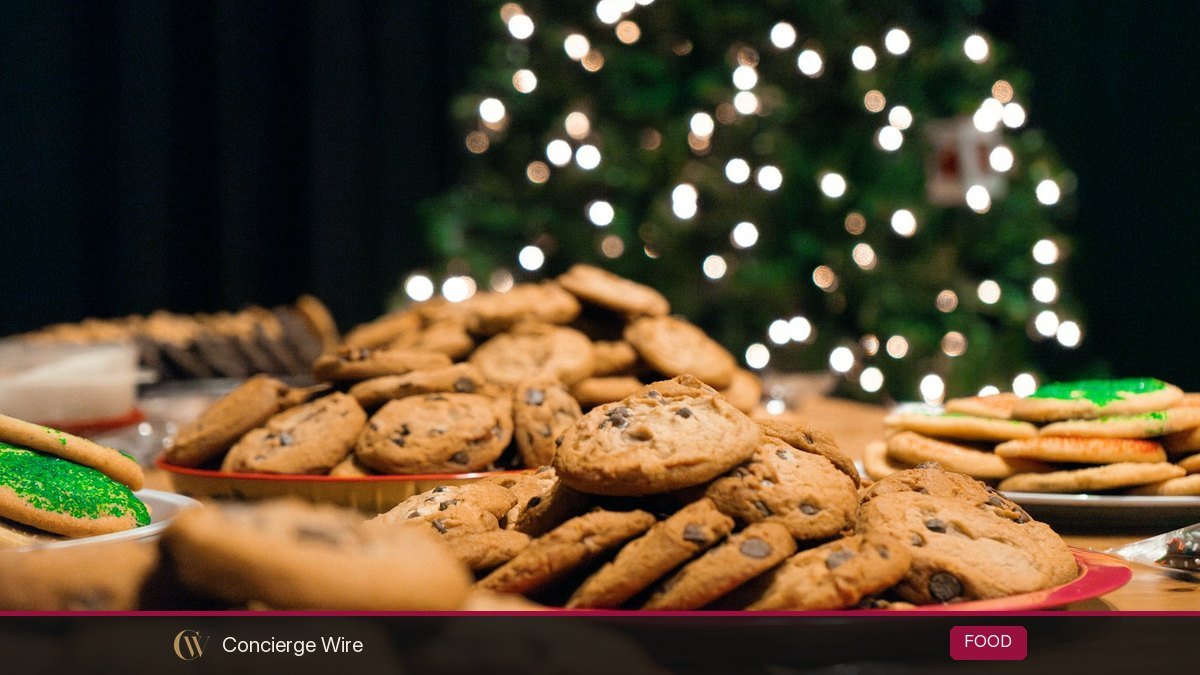
A Christmas cookie exchange works like this: each guest bakes a batch of one kind of cookie, brings it to the party, and goes home with a mixed box of everyone else’s cookies. This guide gives you the rules, a planning timeline for December 2026, invitation wording you can copy, a list of cookies that travel and stack well, and simple packaging and label ideas, including allergy labels.
Updated November 2026. The most popular weekends for a cookie swap this year are Saturday, December 5, Saturday, December 12, and Saturday, December 19.
Key Takeaways
- The standard rule: bake one dozen cookies per guest, plus one extra dozen for sampling at the party.
- Eight to twelve bakers is the sweet spot. Fewer feels thin; more means huge batches.
- Ask guests to reply with their cookie type so you don’t end up with six plates of chocolate chip.
- Choose sturdy cookies that stack and keep for several days: shortbread, biscotti, crinkles, snickerdoodles, gingerbread.
- Every batch gets a label with the cookie name, the baker and the main allergens (the FDA lists nine major ones).
Quick answer: cookie exchange rules
- One cookie type per baker. Homemade, not store-bought, unless you agree otherwise.
- One dozen per guest, plus one dozen to share. With 10 bakers, that means 10 dozen for the swap (one dozen of your own comes home with you) plus one dozen for sampling: 11 dozen, or 132 cookies. Set the rule in the invitation.
- Claim your cookie. Reply with your cookie type; first come, first served.
- Bring a recipe card. Twelve copies or one shared digital file.
- Bring a container to take your haul home, or the host supplies boxes.
- Label your batch with the name, the baker and the major allergens.
If a dozen per guest feels like a lot, use half dozens. With 12 people, six cookies of each kind still sends everyone home with 66 cookies from the other bakers.
How many cookies does each guest bake?
| Number of bakers | Per guest: 1 dozen each | Per guest: half dozen each | Plus sampling plate |
|---|---|---|---|
| 6 | 6 dozen (72) | 3 dozen (36) | +1 dozen |
| 8 | 8 dozen (96) | 4 dozen (48) | +1 dozen |
| 10 | 10 dozen (120) | 5 dozen (60) | +1 dozen |
| 12 | 12 dozen (144) | 6 dozen (72) | +1 dozen |
The counts above assume each baker also takes home a dozen of their own cookie. Most hosts find that more than about 12 bakers turns baking into a two-day job, so for bigger groups, switch to half dozens.
Planning timeline for a 2026 cookie swap
| When | What to do |
|---|---|
| 3 to 4 weeks before | Pick a date, send invitations, ask guests to reply with their cookie by a set date. |
| 2 weeks before | Keep a list of claimed cookies; nudge duplicates to switch. Ask about allergies. |
| 1 week before | Send a reminder with the final count of bakers so everyone knows how many to make. Buy boxes, labels and tape. |
| 2 to 3 days before | Guests bake (sturdy cookies keep well for several days in airtight tins). Host prints labels and recipe-card template. |
| Day before | Set up the cookie table, plan drinks and a few savory snacks. |
| Party day | Display, sample, swap, vote on a “best cookie” if you like, send everyone home with a full box. |
Choose a date in the first two weeks of December if you can. Later weekends compete with office parties, travel and school events, and people’s ovens are busy with their own holiday baking.
Cookie exchange invitation wording
The invitation does most of the organizing for you, so put the rules in it. Here are three versions to copy.
Classic
You’re invited to a Christmas Cookie Exchange!
Saturday, December 12, 2 to 4 p.m., at [address]
Bake [number] dozen of one favorite cookie: one dozen for each guest to take home, plus one dozen to share at the party. Bring your recipe and a container for your haul.
Please RSVP by December 1 with the cookie you’re bringing, so we don’t double up. Let me know about any food allergies too.
Coffee, cocoa and something savory provided.
Short and fun
Bake. Swap. Repeat.
Join our holiday cookie swap on [date] at [time]. Bring [number] dozen of your best cookie, a recipe card and an empty tin. Reply with your cookie by [date]. First dibs on chocolate crinkles go to the fastest texter.
Office or team version
Holiday Cookie Swap, [date], [time], [break room or conference room]
Totally optional and just for fun. If you’d like to take part, bring a half dozen cookies for each participant (we’ll confirm the headcount on [date]). Homemade or bakery-bought both welcome. Please label your cookies with any common allergens like nuts, dairy, eggs or wheat. Sign up with your cookie on [shared sheet] by [date].
At work, letting people bring bought cookies keeps it inclusive for anyone without the time or kitchen to bake.
Cookies that travel well (and ones to skip)
The best exchange cookies are sturdy, stack without sticking, and keep for several days. Delicate or very soft cookies tend to crumble or smear in a shared box.
| Cookie | Why it works | Keeps (airtight, room temp) |
|---|---|---|
| Shortbread | Firm, stacks flat, sturdy | About 1 week or more |
| Biscotti | Very dry and crisp, nearly unbreakable | About 2 weeks |
| Chocolate crinkle cookies | Pretty, sturdy, powdered sugar hides imperfections | About 4 to 5 days |
| Snickerdoodles | Soft but sturdy, no frosting to smear | About 5 days |
| Gingerbread or molasses cookies | Holds shape, flavor improves over a day or two | About 1 week |
| Peanut butter blossoms | Classic, stack with care (label peanuts) | About 5 days |
| Iced sugar cookies (with fully dried royal icing) | Stack once icing has set hard overnight | About 1 week |
| Oatmeal cranberry cookies | Chewy, durable, festive color | About 5 days |
| Thumbprint cookies with jam | Good if jam is set; pack in single layers | About 4 days |
Skip or think twice about: cookies with cream cheese frosting or whipped fillings (they need refrigeration), very thin lace cookies (they shatter), meringues in humid weather, and anything with soft buttercream that smears in a stack. Bars and brownies can work if you agree they count as “cookies.”
Baking tips for big batches
- Make dough a day ahead and chill it; many doughs bake better after resting.
- Use a cookie scoop so every cookie is the same size, which keeps counts and baking times even.
- Bake on parchment, one sheet at a time in the middle of the oven for the most even color.
- Cool completely before stacking or packing, or steam softens everything.
- Freeze extra dough balls for January.
A food safety note for the kitchen: the FDA’s flour safety guidance says not to eat or taste raw flour, dough or batter, because flour is a raw ingredient that can carry bacteria such as E. coli and Salmonella. Keep that in mind if children are helping.
Packaging and labels
Good packaging makes the swap feel special and keeps cookies intact on the way home.
Packaging options
- Bakery boxes with windows: inexpensive in bulk; line with parchment or tissue.
- Cellophane bags: great for a dozen sturdy cookies, tied with ribbon or twine.
- Tins: best for keeping cookies fresh, and guests reuse them.
- Paper plates with plastic wrap: the budget option that always works.
- Mason jars: stack round cookies like shortbread or snickerdoodles.
Pack crisp and soft cookies in separate bags so the crisp ones don’t go soft. Strong flavors like peppermint or gingerbread can perfume plain cookies, so bag them separately too.
What goes on the label
Every batch should carry a small card or tag with:
- Cookie name
- Baker’s name
- Baked on date
- “Contains:” list of allergens
- Storage tip (“Keep in an airtight tin, eat within 5 days”)
The FDA lists nine major food allergens: milk, eggs, fish, crustacean shellfish, tree nuts, peanuts, wheat, soybeans and sesame. Cookies commonly contain milk, eggs and wheat, and many contain nuts, so a “Contains:” line saves guests from guessing.
Sample label text
Brown Butter Snickerdoodles
Baked by Maria, Dec 11
Contains: wheat, milk, eggs
Best within 5 days in an airtight container.
Running the party itself
A cookie exchange party can be two hours on a weekend afternoon. Here is a simple flow:
- Arrival (first 30 minutes): guests set their sharing plate on the tasting table and their swap batch on the exchange table, with labels.
- Tasting (30 to 45 minutes): coffee, cocoa, milk and a few savory snacks to balance the sugar.
- Optional vote: best overall, most festive, best-looking. Paper ballots in a jar. Small prizes like a wooden spoon tied with ribbon or a cookie cutter set.
- The swap (20 minutes): everyone walks the table with their empty box and takes their share of each cookie. Or the host pre-packs boxes for a faster swap.
- Recipe share: hand out printed cards or send everyone a shared document afterward.
Host checklist
- Two tables (tasting and swap) with tablecloths
- Extra empty boxes or bags for guests who forget
- Tongs or gloves for handling cookies
- Labels, pens and tape
- Napkins, small plates, drinks
- A savory snack board (cheese, crackers, nuts, if no allergies)
- Recycling bag for packaging scraps
Cookie swap etiquette for guests
- Reply with your cookie choice by the deadline, and stick to it.
- Bring the full count. Coming up short means someone else’s box is light.
- Arrive with cookies already cooled, counted and bagged by the dozen if the host asks.
- Disclose ingredients honestly, including anything cooked in a kitchen with nuts.
- Take only your share during the swap; leftovers go to the host or a donation plate.
- Send the host a thank-you text and your recipe the next day.
What a cookie swap costs
For guests, the main cost is ingredients. Ten dozen of a basic butter cookie uses several pounds of butter, flour and sugar, so encourage simple recipes if your group is budget-conscious. For hosts, plan on boxes or bags, labels, drinks and a savory snack, and ask a co-host to split costs for a big group.
Variations for different groups
- Virtual swap: guests mail a dozen to a partner by a set date, then everyone tastes together on a video call. Pick the sturdiest cookies and ship early in the week.
- Kids’ decorating swap: host bakes plain sugar cookies, kids decorate and trade. Have parents label allergens.
- Neighborhood swap: drop a dozen on each participating porch by a set date, labeled.
- Charity swap: everyone bakes an extra dozen to donate to a local fire station, shelter or care home (call first; many have rules about homemade food).
- Theme swap: family heirloom recipes, cookies from around the world, or one-bowl recipes only.
Frequently Asked Questions
How many cookies do you bring to a cookie exchange?
The usual rule is one dozen for each participant plus one dozen for sampling. With eight bakers, that’s eight dozen for the swap plus one for sampling, nine dozen in all. Many hosts use half dozens to keep it manageable.
Can you bring store-bought cookies to a cookie exchange?
Traditionally, no, but it is the host’s call. For office or casual swaps, allowing bakery cookies is more inclusive. Say so clearly in the invitation.
What cookies are best for a cookie exchange?
Sturdy cookies that stack and keep for several days: shortbread, biscotti, crinkles, snickerdoodles, gingerbread and fully dried iced sugar cookies.
How do you avoid duplicate cookies?
Ask guests to reply with their cookie type and keep a public list or shared sheet. First to claim a cookie keeps it.
How far ahead can you bake cookies for an exchange?
Sturdy cookies can usually be baked two to three days ahead and kept in airtight tins. You can also freeze dough or baked cookies and thaw them the day before.
How do you label cookies for allergies?
Add a “Contains:” line listing any of the FDA’s nine major allergens in the recipe, such as milk, eggs, wheat, peanuts, tree nuts, soy or sesame. Mention if it was made in a kitchen that also uses nuts.
Bake once, take home a dozen kinds
A cookie exchange turns one afternoon of baking into a full holiday cookie tray. Pick an early December date, put the rules in the invitation, collect cookie types so there are no duplicates, choose sturdy recipes, and label every batch. Then put the kettle on and let your guests do the rest.