What to Do With Leftover Halloween Pumpkins: Seeds, Puree and Compost
Turn leftover Halloween pumpkins into roasted seeds, puree and soup, compost the rest safely, and learn why wildlife agencies say not to leave them out for deer.
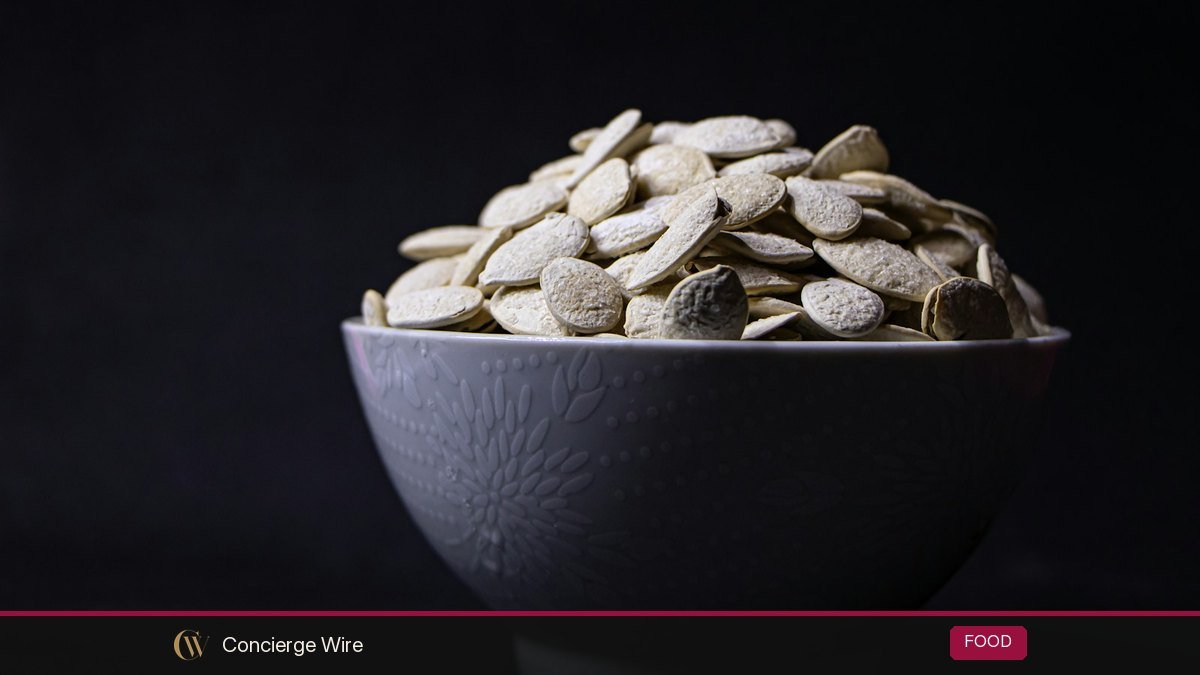
After Halloween on Saturday, October 31, 2026, you can roast the seeds, turn uncarved pumpkins into puree for bread, soup and pie, compost carved jack-o’-lanterns, or drop them at a community pumpkin collection. What you should not do is leave them in the yard or woods for deer and other wildlife. This guide gives you the seed and puree methods, recipe ideas, a quick decision table and the wildlife and composting advice from official sources. Updated October 2026.
Key Takeaways
- Cook only pumpkins that are uncarved, firm and free of mold. A carved jack-o’-lantern that has sat out for days belongs in the compost, not the kitchen.
- Roast cleaned seeds at 325°F for about 20 to 30 minutes, stirring halfway, until golden and dry.
- Freeze homemade pumpkin puree. Penn State Extension says not to home-can mashed or pureed pumpkin.
- Compost pumpkins in chunks, buried under dry leaves. Peel or discard painted, glittered or waxed pumpkins first.
- Wildlife agencies in Colorado and Washington ask people not to leave pumpkins out for wildlife, because it can draw deer, bears and pests into neighborhoods.
Quick answer: what to do with each kind of leftover pumpkin
| Your pumpkin | Best use | Avoid |
|---|---|---|
| Uncarved, firm, no soft spots (decor pumpkin or pie pumpkin) | Cook: puree, soup, roasted chunks. Save seeds | Using it if it has mold or mushy patches |
| Freshly carved (same day) | Roast the seeds you scooped out | Cooking the shell after it has sat out with a candle |
| Carved and sitting out for days | Compost or a community pumpkin collection | Eating it; leaving it in the woods |
| Painted, glittered, waxed or sealed | Remove decorated skin before composting, or put it in the trash | Composting it whole; leaving it outside for animals |
| Rotting or moldy | Compost (if undecorated) or trash | Feeding to animals |
Can you eat a Halloween pumpkin?
Yes, with conditions. The big pumpkins sold for carving are edible, but they are bred for size and thin walls, so their flesh tends to be watery and stringy compared with small sugar or pie pumpkins. They still work for soups, breads and smoothies once you drain the puree.
The bigger question is food safety. A carved pumpkin is cut produce that has been sitting at room temperature, often warmed by a candle, for hours or days. Do not cook a jack-o’-lantern that has been on display. Uncarved pumpkins that stayed whole, firm and mold-free are a different story; wash the outside, cut them open, and check the flesh looks and smells fresh.
If you want to cook your decor, a simple trick for next year: decorate the outside with nontoxic markers or stickers instead of carving, then cook the pumpkin after Halloween.
How to roast pumpkin seeds
Seeds are the easiest win, and every carving pumpkin gives you a cup or more.
- Separate. Drop the seed and pulp mix into a big bowl of water. Seeds float, pulp sinks, which makes cleaning much faster.
- Dry. Spread the seeds on a towel and pat dry. Drier seeds roast crisper. Some cooks boil them in salted water for 10 minutes first for a seasoned, crunchier result; this is optional.
- Season. For each cup of seeds, toss with 1 to 2 teaspoons oil or melted butter and 1/2 teaspoon salt.
- Roast. Spread in a single layer on a sheet pan. Bake at 325°F for about 20 to 30 minutes, stirring halfway, until golden and dry inside. Taste one after cooling a minute; it should crunch.
- Cool and store. Cool completely, then store in an airtight jar.
Seasoning ideas
| Flavor | Add per cup of seeds (after oil and salt) |
|---|---|
| Cinnamon sugar | 1 tbsp sugar + 1/2 tsp cinnamon (skip most of the salt) |
| Ranch | 1 tsp dry ranch seasoning |
| Smoky | 1/2 tsp smoked paprika + 1/4 tsp garlic powder |
| Everything bagel | 1 tsp everything bagel seasoning |
| Spicy lime | 1/2 tsp chili powder; toss with lime zest after roasting |
| Parmesan herb | 2 tbsp finely grated Parmesan + 1/2 tsp dried Italian herbs, added for the last 5 minutes |
Sugary seasonings burn faster, so watch the last few minutes.
How to make pumpkin puree from a whole pumpkin
- Heat the oven to 400°F. Wash the pumpkin, cut it in half or into large wedges, and scrape out the seeds and strings.
- Place the pieces cut side down on a parchment-lined sheet pan.
- Roast 45 to 60 minutes (less for small pie pumpkins, more for large ones) until a fork slides in with no resistance.
- Cool, scoop the flesh from the skin, and blend or mash until smooth.
- If it looks wet, which is common with carving pumpkins, set it in a strainer lined with cheesecloth or a coffee filter over a bowl for an hour or two in the refrigerator.
Storing puree: freeze it, do not can it
Freezing is the safe way to keep homemade puree. Penn State Extension says not to can mashed, pureed or grated pumpkin by either pressure or water-bath methods, because there are no research-tested recipes that ensure enough heat reaches the center to prevent botulism. Only cubed pumpkin can be pressure canned. To freeze, cool the puree quickly, pack it into rigid containers with about 1/2 inch of headspace or into flat zip-close bags, and freeze. Freezing in 1-cup or 15-ounce portions (the size of a standard can) makes recipes easy.
What to make with leftover pumpkin
| Recipe idea | Puree needed | Notes |
|---|---|---|
| Pumpkin bread or muffins | About 1 1/2 to 2 cups per loaf | Forgiving with slightly watery puree |
| Creamy pumpkin soup | 3 to 4 cups | Simmer with onion, garlic and broth, then blend; finish with cream or coconut milk |
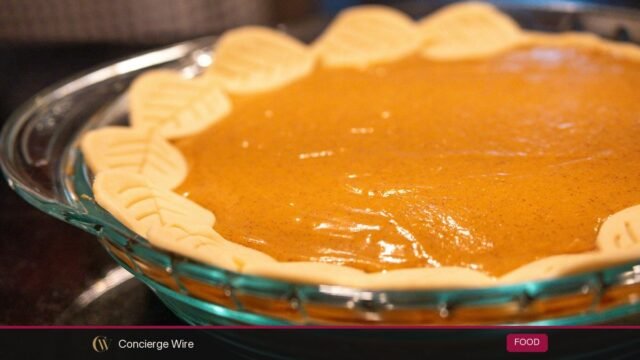
| Pumpkin pie | About 2 cups (a standard 15-oz can is about 1 3/4 cups) | Use well-drained puree, ideally from a pie pumpkin |
| Pumpkin pancakes or waffles | 1/2 to 3/4 cup | Add pumpkin pie spice |
| Pumpkin oatmeal | 1/4 cup per serving | Stir in with maple syrup and cinnamon |
| Pumpkin smoothie | 1/3 cup | Blend with banana, yogurt, milk and spice |
| Pumpkin mac and cheese | 1 cup | Stir into the cheese sauce |
| Roasted pumpkin cubes | None; use raw chunks | Peel, cube, toss with oil and salt, roast at 425°F for 25 to 35 minutes |
Homemade pumpkin butter is a nice gift, but treat it like fresh food: keep it in the refrigerator or freezer, not on a pantry shelf, since extension services do not recommend canning it for room-temperature storage.
Quick pumpkin soup (serves 4)
- Soften 1 chopped onion and 2 cloves garlic in 2 tablespoons butter or olive oil over medium heat, about 5 minutes.
- Add 3 cups pumpkin puree, 3 cups chicken or vegetable broth, 1/2 teaspoon salt and a pinch each of nutmeg and black pepper.
- Simmer 15 minutes, stirring now and then.
- Blend until smooth with an immersion blender, or carefully in batches in a regular blender with the lid vented.
- Stir in 1/2 cup cream or coconut milk, taste, and adjust the salt.
- Top with your roasted seeds and a swirl of cream.
Watery puree from a carving pumpkin works well here; just simmer a few minutes longer to thicken. For a Thai-style version, add a tablespoon of red curry paste with the onion and use coconut milk.
Pumpkin bread tip
If your homemade puree is thinner than canned, either strain it as described above or reduce the other liquid in the recipe by a few tablespoons. Too much moisture gives a gummy center. Bake until a toothpick in the middle comes out with only a few moist crumbs.
Composting pumpkins the right way
Pumpkins are almost all water and break down quickly, which makes them good compost. The EPA’s home composting guide counts fruit and vegetable scraps as “greens” and recommends burying food scraps under four to eight inches of dry leaves or other “browns,” at roughly two to three parts browns to one part greens by volume.
- Remove everything that is not pumpkin: candles, wax drips, wire, stickers, glitter and fake decorations.
- Deal with paint. Peel off painted skin, or trash painted pumpkins entirely if they are coated or sealed.
- Break it up. Smash or chop the pumpkin into pieces so it breaks down faster. Kids enjoy this part.
- Bury it. Cover the pieces with dry leaves, which you will have plenty of in November.
- Pull the seeds or accept volunteers. Seeds in compost may sprout next summer. Roast them first or remove them if you do not want surprise pumpkin vines.
No compost pile? Many towns run curbside food-scrap programs or post-Halloween pumpkin collections, sometimes called “pumpkin smash” events. Search your city or county website in the first week of November.
Wildlife safety: why not to leave pumpkins out for deer
Putting old pumpkins in the backyard or tossing them into the woods “for the deer” feels kind, but wildlife agencies ask people not to do it.
- Colorado Parks and Wildlife says feeding wildlife is illegal in Colorado and asks residents to trash or compost pumpkins. It warns that pumpkins attract bears bulking up before denning, and that deer drawn to them can bring mountain lions into neighborhoods. Crowding deer together also raises risks from dogs, vehicles and disease.
- Washington’s Department of Fish and Wildlife has asked people not to feed leftover pumpkins to wildlife, noting they are not a natural food for the state’s animals, and suggested composting carved pumpkins and removing the skin from painted ones first, as reported by local news coverage of its release.
- The U.S. Fish and Wildlife Service notes in its pumpkin safety story that a painted pumpkin can be toxic to wildlife that eat it, and suggests keeping painted pumpkins indoors and composting or recycling pumpkins after the holidays.
Rules differ by state, and some states ban feeding deer or bears outright, so the simplest choice everywhere is compost, a community collection, or the trash.
Donating pumpkins
Some farms, zoos and animal sanctuaries accept leftover pumpkins in early November, but only clean ones with no paint, glitter, wax or candle residue, and usually no mold. Call first; many have their own rules and drop-off days.
A simple post-Halloween plan
| When | Task |
|---|---|
| Carving day | Save and roast seeds the same day |
| Nov 1 (Sunday) | Sort pumpkins: cook uncarved ones, set aside carved ones for compost |
| Nov 1 to 3 | Roast and puree the uncarved pumpkins; freeze in 1-cup portions |
| First week of November | Compost carved pumpkins or take them to a community collection |
| Thanksgiving week (Thanksgiving is November 26, 2026) | Use frozen puree for pie, bread or soup |
Frequently Asked Questions
Can I eat my carved jack-o’-lantern?
It is best not to. Once carved, it is cut produce sitting at room temperature, often for days and warmed by a candle. Cook uncarved pumpkins instead, and roast the seeds on the day you carve.
What temperature do you roast pumpkin seeds at?
325°F for about 20 to 30 minutes works well, stirring halfway. Some cooks use 350°F for a faster roast; just watch closely so they do not burn.
Can I can homemade pumpkin puree?
No. Extension food-safety experts advise against canning mashed or pureed pumpkin at home. Freeze it instead. Only cubed pumpkin can be pressure canned using a tested method.
Is it OK to leave pumpkins out for deer and squirrels?
Wildlife agencies say no. It can draw deer, bears and pests into neighborhoods, spread disease, and is illegal in some states. Painted pumpkins can also be toxic to animals.
Can I compost a painted pumpkin?
Peel off the painted skin first, or put heavily painted, glittered or sealed pumpkins in the trash. The plain flesh can go in the compost.
How long does frozen pumpkin puree last?
For best quality, many cooks use it within several months. Label containers with the date and use the oldest first.
Make the most of the season
A little planning turns a porch decoration into a week of food: seeds on carving night, puree for Thanksgiving baking, and compost for next spring’s garden. Just keep the carved and painted pumpkins away from wildlife and out of the kitchen, and the rest of your pumpkin haul can earn its keep long after Halloween.