Allergy-Friendly Halloween Treats for School Parties (2026)
Non-food and allergy-smart Halloween treat ideas for classroom parties, plus how the Teal Pumpkin Project works and a simple party plan.
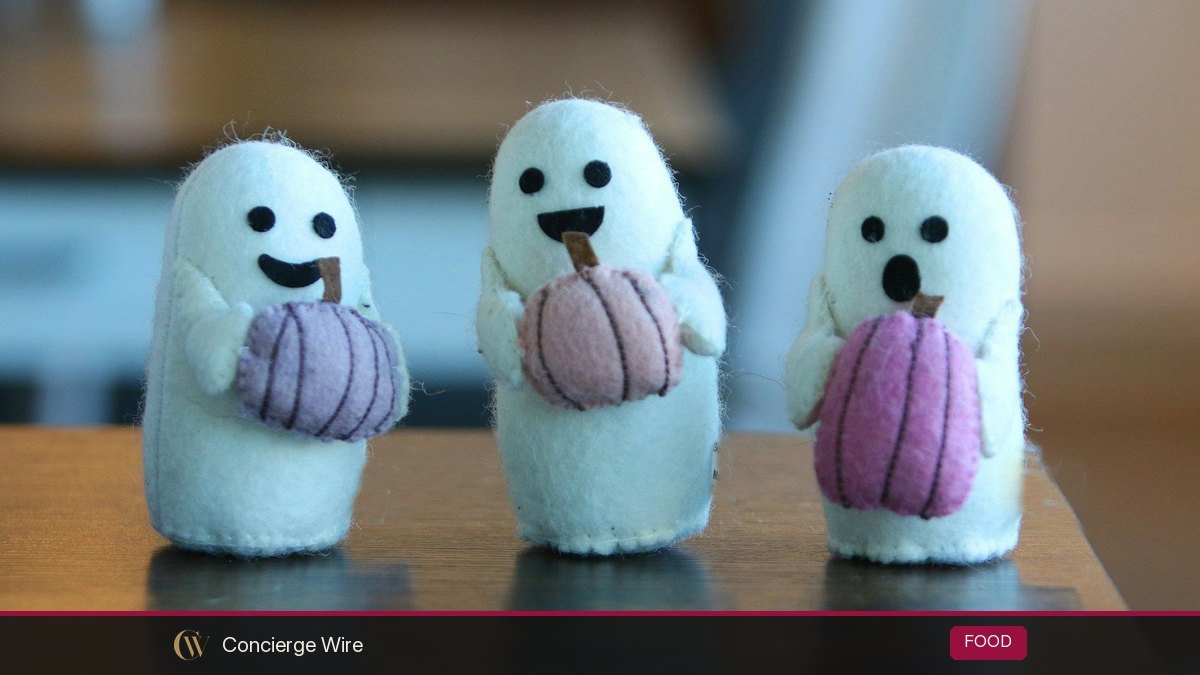
The safest and easiest Halloween treats for a school party are non-food items such as glow sticks, stickers, pencils, mini notepads and bouncy balls, because they include every child, including those with food allergies. If your class does allow food, choose store-bought, individually labeled snacks, check them against the class’s allergy list with the teacher first, and keep them separate from non-food treats. This guide gives you 40 ideas, a cost table, a party plan and the facts behind the Teal Pumpkin Project.
Updated October 2026. Halloween falls on Saturday, Oct. 31, 2026, so many schools will hold class parties on Friday, Oct. 30, or earlier in the week. Check your school’s calendar.
Key Takeaways
- About 1 in 13 children in the US has a food allergy, roughly two students in every classroom, according to the CDC.
- The FDA lists nine major food allergens: milk, eggs, fish, crustacean shellfish, tree nuts, peanuts, wheat, soybeans and sesame.
- The Teal Pumpkin Project, run nationally by FARE since 2014, encourages offering non-food treats so kids with food allergies can join in.
- Always ask the teacher about the school’s food policy and the class allergy list before bringing anything edible.
- Even non-food items need a quick check: some craft doughs contain wheat and some toys contain latex.
Quick answer: Best non-food school treats: glow bracelets, Halloween stickers, pencils and erasers, mini notepads, bouncy balls, spider rings, bookmarks, bubbles, temporary tattoos and mini coloring books. If food is allowed: only sealed, store-bought, labeled items cleared by the teacher against the class allergy list. When in doubt, go non-food.
This article is general information, not medical advice. If your child has a food allergy, follow the plan from your child’s doctor and your school’s health office.
Why Allergy-Friendly Treats Matter at School
Food allergies are common in American classrooms. The CDC’s page on food allergies in schools estimates that about 1 in 13 children (8%) have food allergies, which works out to roughly two students per classroom. It also notes there is no cure, and that strictly avoiding the allergen is the only way to prevent a reaction.
Halloween is one of the toughest days of the year for these kids. Candy often contains peanuts, tree nuts, milk, soy, wheat or eggs, and fun-size bars frequently carry less ingredient information than full-size packaging. A classroom party built around candy can leave an allergic child sitting out, or worse, exposed.
The federal guidelines schools work from recognize this. The CDC and the U.S. Department of Education developed voluntary guidelines for managing food allergies in schools, and one of the five priority areas they list is creating and maintaining a healthy, safe learning environment. Many districts translate that into rules such as no homemade food, no food at class parties, or non-food rewards only. Your teacher will know which applies.
The nine major allergens to know
The FDA’s food allergy page lists nine major food allergens: milk, eggs, fish, crustacean shellfish, tree nuts, peanuts, wheat, soybeans and sesame. Sesame was added by the FASTER Act, with the change taking effect on January 1, 2023. Some older school materials still list eight, so do not assume a “top 8 free” label covers sesame.
What the Teal Pumpkin Project Is
The Teal Pumpkin Project encourages households and groups to offer non-food treats on Halloween so that kids with food allergies can trick-or-treat safely. According to Food Allergy Research & Education (FARE), the idea started with a family in East Tennessee and FARE adopted it nationally in 2014. FARE says the project’s map listed more than 12,500 locations in 2024, with participation in all 50 states and Washington, D.C.
Taking part is simple:
- Put a teal pumpkin (painted, or a teal plastic bucket) or a free printable FARE sign where trick-or-treaters can see it.
- Offer non-food treats. If you also hand out candy, keep the non-food items in a separate bowl.
- Optionally, add your home or event to FARE’s Teal Pumpkin Project map so families can plan routes.
For a school party, the same idea works at class level. A teacher or room parent can make the whole party “teal” by using only non-food treats, so no child needs a separate bag.
Carry it over to trick-or-treat night
Because Halloween lands on a Saturday this year, trick-or-treating in many neighborhoods may start earlier and run longer than it would on a school night. If you are buying non-food items for a class party anyway, buy a little extra for your front door. A bowl of glow bracelets next to the candy bowl costs little, and for a child with a peanut or milk allergy, finding a house with something they can keep is a highlight of the night. Leftover pencils, notepads and stickers also go straight into next semester’s supply bin, so nothing is wasted. If you want to let families know, a printed teal pumpkin sign in the window does the job.
40 Non-Food Halloween Treat Ideas for School
FARE’s own list of non-food treats includes glow sticks and glow bracelets, pencils, pens, crayons and markers, bubbles, Halloween erasers and pencil toppers, mini Slinkies, whistles and kazoos, bouncy balls, finger puppets and novelty toys, coins, spider rings, vampire fangs, mini notepads, playing cards, bookmarks, stickers and stencils. Here is a fuller list, grouped so you can mix and match. Skip noisemakers if the teacher would rather keep the room calm.
School supplies (teachers love these)
- Halloween pencils
- Pencil toppers or shaped erasers
- Mini notepads
- Bookmarks
- Small boxes of crayons
- Mini rulers
- Stencils
- Mini coloring or activity books
- Washable markers
- Highlighters (for older kids)
Wearables and glow items
- Glow bracelets or necklaces
- Spider rings
- Vampire fangs
- Slap bracelets
- Temporary tattoos
- Silly glasses or masks
- Bat or pumpkin hair clips
- Friendship bracelet kits
- Reflective stickers for costumes
- Glow-in-the-dark stars
Small toys
- Bouncy balls
- Mini Slinkies
- Finger puppets
- Bubbles
- Pop fidget toys
- Mini puzzles
- Playing cards or mini card games
- Stretchy toys (check for latex)
- Wind-up toys
- Small plastic animals or bugs
Stickers, crafts and keepsakes
- Halloween sticker sheets
- Foam craft kits
- Scratch-art cards
- Mini sketch pads
- Bookmarks to color in
- Halloween-themed stamps (self-inking)
- Keychains
- Seed packets (pumpkin or sunflower)
- Small books from a book fair or dollar store
- A class photo or certificate printed for each child
Check non-food items too
“Non-food” does not automatically mean allergy-safe. Some play doughs and modeling clays contain wheat, and some balloons and stretchy toys contain latex. Read the packaging, skip anything that might end up in a young child’s mouth, and choose items that are age-appropriate. For preschool and kindergarten classes, avoid small parts that could be a choking hazard.
Cost Planning for a Class of 25
Non-food treats can cost about the same as candy if you buy in bulk. Here is an illustrative budget using typical bulk-pack pricing; actual prices vary by store and region.
| Treat bag option | Contents per child | Rough cost per child | Rough total for 25 |
|---|---|---|---|
| Budget | Pencil, sticker sheet, glow bracelet | $0.75 to $1.25 | $19 to $31 |
| Standard | Pencil, eraser topper, stickers, bouncy ball, spider ring | $1.50 to $2.50 | $38 to $63 |
| Deluxe | Mini activity book, crayons, glow necklace, fidget toy, stickers | $3 to $4 | $75 to $100 |
Tip: split the cost among room parents. Five families contributing $8 each covers a standard bag for a class of 25.
If Your Class Allows Food: Allergy-Smart Rules
Some schools allow store-bought snacks at parties. If yours does, these rules reduce risk:
- Ask first. Email the teacher a week ahead: “What is the food policy for the Halloween party, and are there allergies I should plan around?” Teachers usually cannot name students, but they can tell you which allergens to avoid.
- Store-bought and sealed only. Homemade food has no ingredient label, which makes it impossible for a parent or nurse to check. Many schools ban it for that reason.
- Keep the label. Bring the outer box or bag so the teacher or nurse can read the ingredients and any “may contain” or “made in a facility with” statements.
- Check every size. Fun-size and seasonal versions of a product can be made in different facilities from the regular version, so read the label on the exact package you buy.
- Offer a non-food option anyway. Even with safe snacks, a sticker or pencil gives every child something.
- Let parents of allergic children weigh in. Many prefer to send a safe treat for their own child. Coordinate through the teacher.
Food ideas that are often easier to manage
No food is automatically safe for every allergy, so treat these as ideas to clear with the teacher, not guarantees:
- Fresh fruit such as clementines or apple slices (individually packaged)
- Individually packaged fruit snacks or applesauce pouches from brands that label their allergen practices clearly
- Snacks from brands that build around allergen-free production. For example, Enjoy Life says its products are free from gluten and 14 allergens, including all nine major US allergens. Still read each package.
- Water bottles with fun Halloween labels instead of juice or punch
A Simple Allergy-Friendly Class Party Plan
A party built around activities, not food, is easier to supervise and more fun. Here is a 45-minute plan a room parent can run:
| Time | Activity | What you need |
|---|---|---|
| 0-5 min | Costume parade around the classroom | Music on a phone or speaker |
| 5-15 min | Craft station: decorate a paper pumpkin or bat | Paper cutouts, crayons, stickers |
| 15-25 min | Game: “Mummy wrap” with toilet paper in teams | A few rolls of toilet paper |
| 25-35 min | Halloween bingo or a not-too-scary story | Printable bingo cards, a picture book |
| 35-45 min | Treat bags handed out, cleanup | Pre-filled non-food bags |
Other games that need no food: pin the nose on the jack-o’-lantern, a pumpkin-shaped bean bag toss, freeze dance and a scavenger hunt for paper ghosts hidden around the room.
Inclusion beyond allergies
Some families do not celebrate Halloween for religious or cultural reasons. Many schools now frame the day as a “fall festival” or “harvest party.” Non-food treats and fall-themed crafts work well whichever way your school handles it, and they keep the focus on fun rather than candy.
Room Parent Checklist
- Two weeks out: confirm the party date, time and food policy with the teacher.
- Ask for the list of allergens to avoid and any other restrictions.
- Decide on non-food treats and assign or split costs among parents.
- One week out: order or buy supplies; check labels for latex, wheat-based doughs and small parts.
- Assemble identical treat bags so no child gets a “different” one.
- Plan activities and print materials.
- Day of: bring wipes, keep any food sealed until the teacher approves, and keep labels with the food.
- After the party: send a short thank-you note to the teacher and contributing parents.
Frequently Asked Questions
What can I give instead of candy at a school Halloween party?
Stickers, pencils, erasers, glow bracelets, bouncy balls, spider rings, bookmarks, mini notepads and small activity books are all popular non-food treats. They are inexpensive in bulk and safe for children with food allergies.
What does a teal pumpkin mean on Halloween?
A teal pumpkin signals that a home or event offers non-food treats so children with food allergies can participate. It is part of the Teal Pumpkin Project, which FARE promotes nationally.
Can I bring homemade treats to a school party?
Many schools do not allow it, because homemade food has no ingredient label and cannot be checked for allergens. Always ask the teacher about the policy before bringing anything edible.
What are the most common food allergens for kids?
The FDA lists nine major food allergens: milk, eggs, fish, crustacean shellfish, tree nuts, peanuts, wheat, soybeans and sesame. Any of these can appear in Halloween candy.
Are non-food treats always allergy-safe?
Not always. Some play doughs contain wheat and some toys contain latex. Check packaging and choose items without those materials, especially for young children.
How many treats should go in each bag?
Three to five small items is plenty for a class party. Keeping bags identical avoids comparisons and makes it easy to include every child.
Make This Year’s Party One Every Kid Can Join
The best class Halloween party is one where no child has to sit out or eat something different from their friends. Check with the teacher, choose non-food treats from the lists above, fill identical bags and plan a few simple games. Kids remember the costume parade and the glow bracelets long after the candy is gone.