Election Day 2026: What’s Open, What’s Closed and How to Vote
A non-partisan, practical guide to Election Day on November 3, 2026: banks, mail and markets, state closures, finding your polling place and time off to vote.
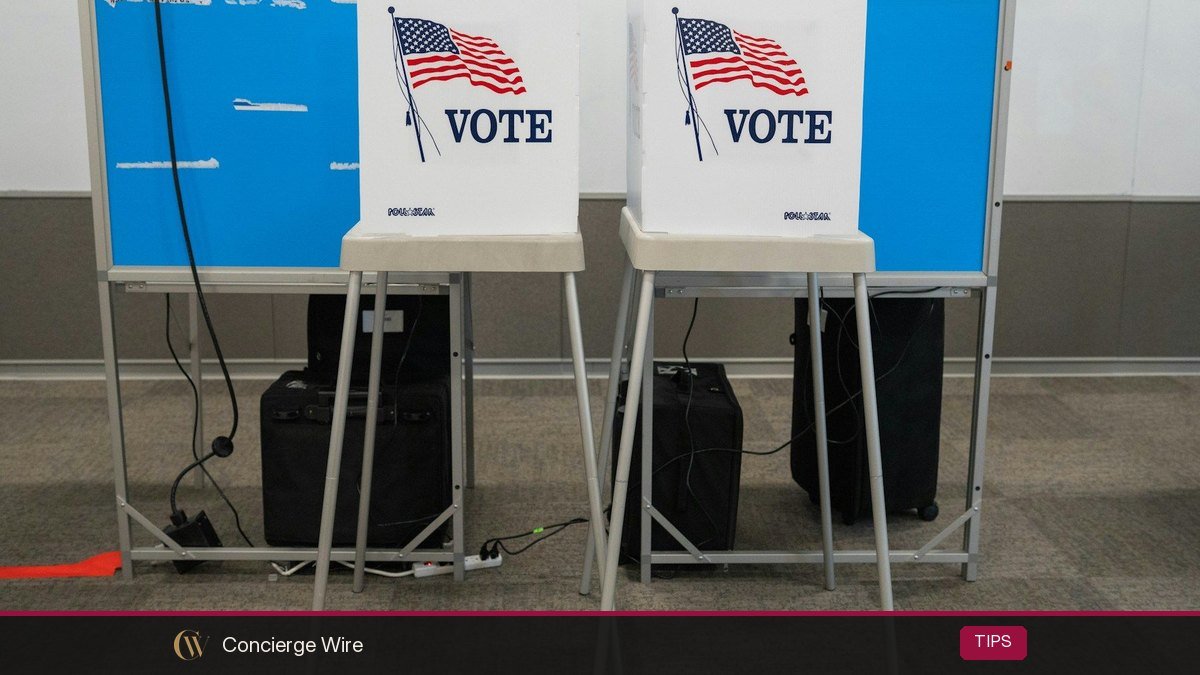
Election Day 2026 is Tuesday, November 3, the date of the midterm general election. It is not a federal holiday, so banks, post offices, the stock market and most stores stay open, while some state and local offices close in states that treat it as a holiday. This guide covers what’s open and closed, how to find your polling place, time-off-to-vote rules, and what business owners should plan for. It is strictly practical and non-partisan. Updated October 2026.
Key Takeaways
- Federal Election Day is Tuesday, November 3, 2026, set by law as the Tuesday after the first Monday in November in even-numbered years.
- It is not on the 2026 federal holiday list. Banks, the U.S. Postal Service, federal offices and the NYSE are expected to operate normally.
- Some states treat Election Day as a state holiday, so state offices, courts and some schools may close. Check your state.
- Find your polling place, hours and ID rules through your state or local election office. Voting in the wrong location can mean a provisional ballot that may not count.
- Time-off-to-vote laws vary by state. Employers should check their state’s rules and tell staff the policy before November 3.
Election Day 2026: quick answer
| Question | Answer |
|---|---|
| Date | Tuesday, November 3, 2026 |
| What’s on the ballot | All U.S. House seats, about a third of the Senate, many governor races, and state and local offices and measures; your ballot depends on where you live |
| Federal holiday? | No |
| Banks | Generally open (Federal Reserve holiday schedule does not include Election Day) |
| Post offices and mail | Open; normal delivery |
| Stock market | NYSE open; Election Day is not on its 2026 holiday list |
| State and local government | Varies; closed in some states that treat it as a holiday |
| Schools | Varies by district; many schools serve as polling places and some close |
| Retail and restaurants | Generally open; check individual stores |
| Next federal holiday | Veterans Day, Wednesday, November 11, 2026 |
The date comes from federal law (2 U.S.C. section 7), which sets congressional elections on “the Tuesday next after the 1st Monday in November” of every even-numbered year. In 2026 the first Monday is November 2, so Election Day is November 3. Early voting and mail voting windows open before that date in many states; your state sets those dates.
What’s open and closed on Election Day 2026
Federal government and the mail
The Office of Personnel Management’s 2026 federal holiday list does not include Election Day. It lists Veterans Day on Wednesday, November 11 and Thanksgiving on Thursday, November 26 as the next two holidays. Federal offices are expected to be open on November 3, and the Postal Service, which closes on federal holidays, should run on a normal schedule.
Banks and markets
The Federal Reserve’s 2026 holiday schedule does not include Election Day either, so banks generally keep normal hours. The New York Stock Exchange’s 2026 calendar does not list it as a market holiday, so stock trading is expected to run normally. Individual bank branches can still set their own hours, so check with your branch if you need in-person service.
State and local offices
This is where it varies. A Scripps News roundup prepared for the 2024 election listed 13 states that treat Election Day as a public holiday: Delaware, Hawaii, Illinois, Indiana, Louisiana, Maryland, Michigan, Montana, New Jersey, New York, Rhode Island, Virginia and West Virginia. State laws can change, and some apply only to general elections or to state employees, so confirm with your state government before relying on that list. In those states, state offices, DMVs and courts may be closed. County and city offices follow their own calendars.
Schools
Many school buildings serve as polling places. Some districts close for the day or schedule a teacher in-service day; others stay open with security changes. Check your district calendar now.
Stores, restaurants and services
Major retailers, grocery stores and restaurant chains generally stay open. A few companies close or shorten hours to give employees time to vote, so check before you drive somewhere.
How to find your polling place and vote
Every state runs its own elections, so the reliable answers come from your state or local election office.
- Confirm you are registered. Check your registration status with your state. Registration deadlines vary, and some states allow same-day registration.
- Find your polling place. USA.gov’s polling place page directs you to your state or local election office for your location and its hours. The U.S. Election Assistance Commission also keeps a state-by-state directory with links to official election offices and registration lookups. You can also start at vote.gov.
- Check your assigned location. Polling places can change between elections. USA.gov notes that your name will not be on the roster at other locations, and voting elsewhere may mean casting a provisional ballot that may not count.
- Check ID rules. Each state sets its own voter ID requirements. Look them up before you go.
- Know your hours. Polling hours vary by state and sometimes by county. Your election office lists them.
- Review a sample ballot. Many election offices publish sample ballots online so you can read measures in advance.
Early and mail voting
USA.gov notes that most states let you vote in person during a designated early voting period, usually without needing an excuse. For absentee or mail voting, some states require an excuse and others don’t. Follow your state’s deadlines for requesting and returning your ballot, and check whether the return deadline is based on postmark date or on when the election office receives it. If you are mailing a ballot close to Election Day, consider an official drop box if your state offers them, or deliver it in person where allowed.
You cannot vote online in U.S. federal elections. Anyone offering an online voting link is not legitimate.
Special situations: moved, away, or needing assistance
You moved recently
If you moved, even within the same county, update your registration before your state’s deadline. Your polling place is tied to your registered address. USA.gov advises updating your registration before requesting a mail ballot if you have moved, so the ballot goes to the right place. If you missed the deadline, ask your local election office what options apply in your state; some allow updates at the polls.
You will be away on November 3
Business travelers, students at out-of-state colleges and people caring for relatives away from home can often vote absentee. USA.gov lists travel outside your county or city on Election Day and being a student at an out-of-state college as common reasons states accept where an excuse is required. Request the ballot early, since mail in both directions takes time.
Military and overseas voters
Service members and their families stationed away from their legal voting residence, and U.S. citizens living abroad, can generally vote absentee. Your state election office and the military voting assistance resources it links to explain the process and deadlines.
Voters with disabilities
Ask your local election office in advance about accessible voting equipment, accessible entrances, and whether curbside voting or assistance in the booth is available at your location. Many offices also publish accessibility information on their websites. If you run into a problem on the day, ask a poll worker for the election office’s help line.
Election Day checklist for voters
- Registration confirmed and address up to date
- Polling place and hours confirmed for November 3 (or early voting dates chosen)
- Required ID or documents ready
- Sample ballot reviewed; notes written down if your state allows them in the booth
- Time off arranged with your employer if needed
- Childcare, transportation and a backup plan for long lines
- Mail ballot, if used, returned well before your state’s deadline
- Your local election office’s phone number saved in case of a problem
Time off to vote: what workers and employers should know
There is no federal law that requires private employers to give time off to vote. Instead, many states have their own rules, and they differ on whether time off is paid, how many hours are allowed, whether employees must give advance notice, and whether the law applies only if the polls are not open long enough outside work hours. The 2024 Scripps roundup noted that Hawaii, Illinois, Maryland, New York and West Virginia required employers to give paid time off, but laws change, so verify the current rule with your state labor department or election office.
A simple employer policy
If you run a small business, publish a short note to staff by late October. Here is a template you can adapt:
Election Day is Tuesday, November 3. We want everyone who is eligible to be able to vote. If your shift makes it hard to get to the polls, tell your manager by [date] and we will adjust your schedule. [Insert any paid time off required in our state.] You can also vote early or by mail if your state allows; see your state’s election office for dates.
Keep any policy neutral. Employers should not tell employees how to vote, and many states restrict employer pressure on voting choices. If you have questions about your obligations, check with your state’s labor department or an employment attorney, because rules change and vary by location.
Running a business on Election Day
For most small businesses, November 3 is a normal Tuesday with a few twists.
| Business type | What to expect | What to do |
|---|---|---|
| Restaurants and cafes near polling places | Morning and evening foot traffic as people vote before and after work | Staff the rush; keep messaging neutral |
| Retail | Normal day; some staff may arrive late or leave early | Plan shifts around time-off requests |
| Service businesses (salons, clinics) | Possible cancellations or late arrivals | Send appointment reminders; keep a waitlist |
| Businesses in states with an Election Day holiday | State offices closed; some customers off work | Expect delays for permits or filings |
| Marketers and media teams | News coverage dominates attention | Avoid launching announcements that day; schedule them for later in the week |
Keep marketing non-partisan
Some businesses run “I voted” promotions. Be careful: offering something of value in exchange for voting in a federal election can raise legal issues, so many businesses make any offer available to everyone, whether or not they voted. If you are unsure, skip it or get legal advice. Political posts from a business account can alienate customers on all sides; a neutral reminder to vote, with a link to your state’s official election site, is the safer choice.
What happens after the polls close
Results reported on election night are unofficial. Election offices count mail and provisional ballots and then certify results on a schedule set by state law, which can take days or weeks. Some states also hold runoff elections later if no candidate reaches a required threshold. Follow your state election office or established news organizations for updates, and be cautious about unverified claims shared on social media.
Frequently Asked Questions
When is Election Day 2026?
Tuesday, November 3, 2026. Early voting and mail voting windows open earlier in many states.
Is Election Day a federal holiday?
No. It is not on the 2026 federal holiday list. Some states treat it as a state holiday.
Are banks and post offices open on Election Day?
Yes, generally. Election Day is not a Federal Reserve holiday and not a federal holiday, so banks and the Postal Service should operate normally.
Is the stock market open on Election Day 2026?
Yes. The NYSE’s 2026 holiday calendar does not include Election Day.
Does my employer have to give me time off to vote?
It depends on your state. There is no federal requirement for private employers, but many states have their own laws. Check your state’s rules and tell your employer in advance if your state requires notice.
How do I find my polling place?
Contact your state or local election office, or use the links in the EAC state directory or USA.gov. Your polling place may have changed since the last election, so check again.
Make your plan today
Confirm your registration, look up your polling place and hours, check ID rules and decide whether you will vote early, by mail or on November 3. If you run a business, tell your team your time-off policy now and plan staffing for that Tuesday. A few minutes of planning this week saves a lot of stress on Election Day.