20 Easy Fall Slow Cooker Dinners (Dump-and-Go Recipes)
Twenty set-it-and-forget-it fall dinners with a timing table for LOW and HIGH settings and the slow cooker food-safety rules that matter most.
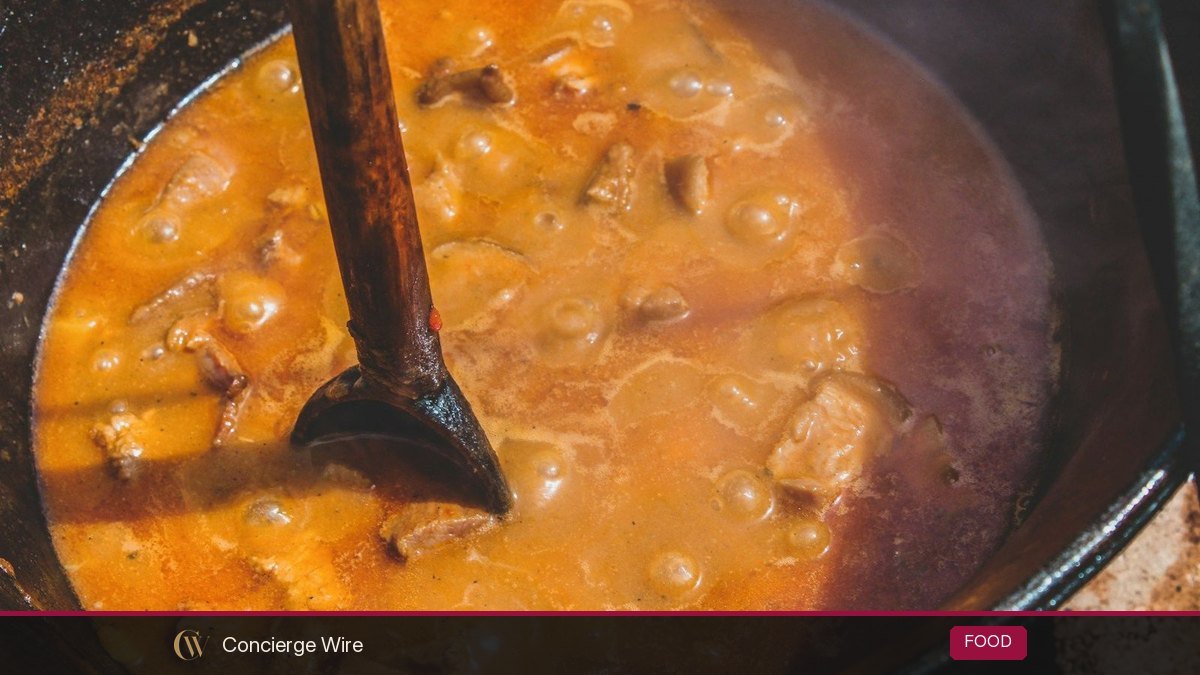
These 20 fall slow cooker dinners are true dump-and-go meals: add the ingredients in the morning, set the cooker, and come home to dinner. Below you will find each recipe’s core ingredients and method, a timing table for LOW and HIGH settings, and the food-safety rules that matter most when a cooker runs all day while you are out.
Key Takeaways
- Always thaw meat and poultry before it goes into a slow cooker. Frozen meat stays too long in the 40°F to 140°F danger zone.
- Fill the cooker between half and two-thirds full, and keep the lid on. Each peek costs heat and cooking time.
- Check doneness with a thermometer: 165°F for poultry, 160°F for ground meat, 145°F plus a 3-minute rest for whole cuts of beef and pork.
- Prep ingredients the night before and store them in the fridge, then just load and switch on in the morning.
- Most dinners here take 6 to 8 hours on LOW or 3 to 4 hours on HIGH. Your cooker model may run hotter or cooler.
How Dump-and-Go Cooking Works
A “dump-and-go” recipe skips the browning, sauteing and stirring that many slow cooker recipes call for. You put raw, thawed ingredients in the pot, add a sauce or liquid, and let low, steady heat do the work. The trade-off is a little less depth of flavor than a browned stew, but for a Tuesday night with soccer practice, that is a trade most families happily make.
Three habits make these meals better:
- Layer by cooking time. Dense root vegetables such as potatoes and carrots go on the bottom, closest to the heat. Meat sits on top.
- Use less liquid than you think. Slow cookers trap steam, so almost nothing evaporates. Most recipes below need only one to one and a half cups of liquid.
- Add delicate ingredients at the end. Dairy, fresh herbs, quick-cooking pasta and leafy greens go in during the last 15 to 30 minutes.
Slow Cooker Food Safety: The Rules That Matter
Slow cookers are safe when used properly, because the steady heat, direct contact with the pot and trapped steam destroy bacteria. Food-safety extension services, including Texas A&M AgriLife’s Dinner Tonight program and Colorado State University’s Food Smart Colorado, repeat the same core rules:
- Thaw first. Never put frozen meat or poultry in a slow cooker. Thaw it in the refrigerator overnight.
- Fill half to two-thirds full. Too little food and it can overcook; too much and it may not heat evenly and safely.
- Keep the lid on. Texas A&M notes that each time the lid is lifted, the internal temperature drops 10 to 15 degrees and cooking slows by 20 to 30 minutes.
- Consider HIGH for the first hour. Colorado State suggests starting on HIGH for an hour and then switching to LOW, especially for meat and poultry. If your cooker has a programmable timer, that is easy to set.
- Use a thermometer. USDA minimums: 165°F for all poultry, 160°F for ground beef and pork, and 145°F with a 3-minute rest for whole cuts of beef, pork, veal and lamb. Shredded roasts will be cooked far past those minimums to become tender.
- Boil dried kidney beans first. Raw red kidney beans contain a natural toxin that a slow cooker may not reach high enough heat to destroy. Boil soaked dried beans for at least 10 minutes before adding them, or use canned beans.
- Do not cook on WARM. The warm setting only holds food that is already cooked.
- Power outage while you were out? Throw the food away, even if it looks done. If you are home, finish cooking another way right away.
- Store leftovers within two hours in shallow containers, and reheat them on the stove or in the microwave to 165°F rather than in the slow cooker.
Timing Table: 20 Fall Dinners at a Glance
Times are typical ranges for a 6-quart oval slow cooker filled half to two-thirds full. Newer cookers often run hotter than older ones, so check your first batch early and use a thermometer.
| # | Dinner | LOW | HIGH | Add at end |
|---|---|---|---|---|
| 1 | Apple cider pulled pork | 8-10 hrs | 5-6 hrs | BBQ sauce |
| 2 | Chicken, sweet potato and black bean chili | 6-7 hrs | 3-4 hrs | Lime, cilantro |
| 3 | Classic pot roast with root vegetables | 8-10 hrs | 5-6 hrs | Gravy thickener |
| 4 | Honey garlic chicken thighs | 5-6 hrs | 3 hrs | Cornstarch slurry |
| 5 | Butternut squash and chickpea curry | 5-6 hrs | 3 hrs | Coconut milk, spinach |
| 6 | Beef and barley stew | 7-8 hrs | 4-5 hrs | Parsley |
| 7 | Salsa verde chicken tacos | 5-6 hrs | 3 hrs | Toppings |
| 8 | Italian sausage, peppers and onions | 5-6 hrs | 3 hrs | Rolls, provolone |
| 9 | Maple Dijon pork loin | 6-7 hrs | 3-4 hrs | Rest before slicing |
| 10 | Turkey and white bean chili | 6-7 hrs | 3-4 hrs | Sour cream |
| 11 | Beef ragu for pasta | 8 hrs | 4-5 hrs | Cooked pasta |
| 12 | Chicken and wild rice (with cooked rice) | 5-6 hrs | 3 hrs | Cream, cooked rice |
| 13 | Korean-style beef | 7-8 hrs | 4 hrs | Green onions, sesame |
| 14 | Lentil and vegetable stew | 7-8 hrs | 4 hrs | Lemon juice |
| 15 | Cranberry balsamic chicken | 5-6 hrs | 3 hrs | Fresh thyme |
| 16 | Pork carnitas | 8-10 hrs | 5-6 hrs | Broil to crisp |
| 17 | Stuffed pepper “unstuffed” casserole | 6 hrs | 3-4 hrs | Cheese |
| 18 | Beef and Guinness-style stew | 8 hrs | 4-5 hrs | Peas |
| 19 | Chicken cacciatore | 5-6 hrs | 3 hrs | Basil, parmesan |
| 20 | Sweet potato and black bean enchilada bake | 4-5 hrs | 2-3 hrs | Cheese, avocado |
Pork and Beef Dinners
1. Apple cider pulled pork
Put a thawed 3 to 4 pound boneless pork shoulder on top of one sliced onion. Rub with brown sugar, smoked paprika, garlic powder, salt and pepper. Pour in 1 cup of apple cider. Cook until it shreds easily with two forks, drain most of the liquid, then stir in your favorite BBQ sauce. Serve on buns with coleslaw.
3. Classic pot roast with root vegetables
Layer quartered potatoes, thick carrot chunks and an onion on the bottom. Add a 3 pound chuck roast, one packet of onion soup mix, 1 cup of beef broth and a splash of Worcestershire sauce. When the roast is fork-tender, whisk 2 tablespoons of cornstarch into cold water and stir it into the juices for gravy for the last 20 minutes on HIGH.
6. Beef and barley stew
Combine cubed beef stew meat, diced carrots, celery, onion, one can of diced tomatoes, 3/4 cup of pearl barley and 4 cups of beef broth. Season with thyme and bay leaves. The barley thickens the stew as it cooks, so you do not need flour.
8. Italian sausage, peppers and onions
Add thawed raw Italian sausage links, sliced bell peppers and onions, a jar of marinara and a teaspoon of Italian seasoning. Cook until the sausage reaches 160°F. Serve in toasted rolls with provolone, or over polenta.
9. Maple Dijon pork loin
Whisk 1/3 cup of maple syrup, 3 tablespoons of Dijon mustard, garlic and a little apple cider vinegar. Pour over a 2 to 3 pound pork loin sitting on halved baby potatoes. Pork loin is lean, so check it early; pull it at 145°F and let it rest 3 minutes before slicing.
11. Beef ragu for pasta
Add 2 pounds of chuck cut into large chunks, a can of crushed tomatoes, a small can of tomato paste, one diced onion, carrot, garlic, 1/2 cup of beef broth and oregano. Shred the beef right in the pot and toss with rigatoni or pappardelle.
13. Korean-style beef
Combine chuck roast chunks with soy sauce, brown sugar, grated ginger, garlic, a little sesame oil and rice vinegar. Shred when tender and serve over rice with green onions, sesame seeds and quick cucumber pickles.
16. Pork carnitas
Season pork shoulder with cumin, oregano, chili powder, salt and pepper. Add the juice of two oranges, one lime and a sliced onion. Shred, spread on a sheet pan, and broil for a few minutes until the edges crisp. Serve in tortillas with salsa.
17. Stuffed pepper “unstuffed” casserole
Brown the ground beef first for safety and texture, or use cooked leftover ground beef; this is the one recipe where a quick skillet step is worth it. Add diced peppers, onion, a can of diced tomatoes, tomato sauce and 1 cup of cooked rice. Top with cheese in the last 15 minutes.
18. Beef and Guinness-style stew
Combine stew beef, potatoes, carrots, onion, tomato paste, thyme, 1 cup of stout (or beef broth) and 1 cup of broth. Stir in frozen peas for the last 20 minutes. The alcohol will not fully cook off, so use broth only if serving children or anyone avoiding alcohol.
Chicken and Turkey Dinners
2. Chicken, sweet potato and black bean chili
Add thawed boneless chicken thighs, diced sweet potato, a can of rinsed black beans, a can of diced tomatoes with green chiles, chili powder, cumin and 1 cup of chicken broth. Shred the chicken and finish with lime juice and cilantro.
4. Honey garlic chicken thighs
Whisk 1/3 cup of honey, 1/3 cup of low-sodium soy sauce, 2 tablespoons of ketchup and four minced garlic cloves. Pour over boneless thighs. Thicken the sauce with a cornstarch slurry at the end and serve with rice and steamed broccoli.
7. Salsa verde chicken tacos
Two ingredients to start: 2 pounds of boneless chicken breasts or thighs and a 16-ounce jar of salsa verde. Add cumin if you like. Shred and serve in tortillas, over rice, or in burrito bowls.
10. Turkey and white bean chili
Crumble in lean ground turkey that you have browned first (ground poultry clumps and cooks unevenly if added raw), then add two cans of cannellini beans, a can of green chiles, onion, cumin, oregano and 3 cups of chicken broth. Stir in sour cream or cream cheese at the end for a creamy finish.
12. Chicken and wild rice
Add chicken thighs, diced carrots, celery, onion, thyme and 4 cups of broth. Cook separately 1 1/2 cups of wild rice blend, and stir it in with 1 cup of half-and-half for the last 20 minutes. Adding cooked rice at the end prevents the mushy texture that uncooked rice often gets.
15. Cranberry balsamic chicken
Mix a can of whole-berry cranberry sauce, 1/4 cup of balsamic vinegar, a packet of onion soup mix and a little garlic. Pour over bone-in or boneless chicken thighs. It tastes like Thanksgiving in a weeknight dinner and pairs well with mashed potatoes.
19. Chicken cacciatore
Combine chicken thighs, sliced mushrooms, bell peppers, onion, a can of crushed tomatoes, garlic, oregano and a splash of red wine or broth. Serve over pasta, polenta or crusty bread with basil and parmesan.
Vegetarian Dinners
5. Butternut squash and chickpea curry
Add cubed butternut squash (buy it pre-cut to save time), two cans of rinsed chickpeas, a diced onion, a can of diced tomatoes, 2 tablespoons of curry powder, garlic, ginger and 1 cup of vegetable broth. Stir in a can of coconut milk and a few handfuls of spinach at the end.
14. Lentil and vegetable stew
Combine 1 1/2 cups of rinsed brown or green lentils, carrots, celery, onion, a can of diced tomatoes, smoked paprika, cumin and 6 cups of vegetable broth. Lentils do not need soaking. Finish with a squeeze of lemon to brighten it.
20. Sweet potato and black bean enchilada bake
Layer corn tortillas, diced sweet potato, black beans, corn and red enchilada sauce, like a lasagna. Top with cheese for the last 20 minutes. Serve with avocado and sour cream. This one is shorter, so it suits a work-from-home day or a weekend afternoon.
Prep Ahead: The Night-Before Routine
The easiest way to make dump-and-go truly work on busy mornings is to do the chopping the night before.
- Chop vegetables and store them in a covered container in the refrigerator.
- Mix the sauce or spice blend in a jar.
- Keep the raw meat in its own sealed container on the bottom shelf, away from produce.
- In the morning, load vegetables first, then meat, then pour the sauce over the top.
- Switch on and go.
Some cooks assemble everything in the removable crock the night before and refrigerate it. That works, but a cold crock takes longer to heat up. Check your cooker’s manual; some manufacturers advise against moving a cold stoneware insert straight into a hot base, and the extra time in the danger zone is something to avoid. Keeping ingredients in separate containers is the safer habit.
Freezer kits
You can also freeze bags of raw ingredients for future dinners. Just remember the safety rule: thaw the bag completely in the refrigerator, usually overnight or for 24 hours, before it goes in the slow cooker.
Frequently Asked Questions
Can I put frozen chicken in a slow cooker?
No. Food-safety experts advise always thawing meat and poultry first, because frozen meat keeps the pot in the 40°F to 140°F danger zone for too long. Thaw it in the refrigerator overnight.
Is it safe to leave a slow cooker on while I am at work?
Slow cookers are designed to run unattended, and extension services consider them safe when used as directed. Place it on a heat-safe surface away from walls and cabinets, and make sure the cord is in good condition.
Why are my slow cooker meals watery?
Slow cookers trap moisture, so most recipes need less liquid than stovetop versions. Reduce the broth, or remove the lid for the last 30 minutes on HIGH to let the sauce thicken.
Should I use LOW or HIGH?
LOW gives tougher cuts like chuck and pork shoulder more time to become tender. HIGH works when you need dinner sooner. As a rough rule, one hour on HIGH equals about two hours on LOW.
Can I reheat leftovers in the slow cooker?
Reheating in a slow cooker is not recommended. Reheat leftovers on the stove or in the microwave to 165°F, then you can keep them hot in the slow cooker on WARM for serving.
Do I need to brown meat first?
Not for safety with whole cuts or chicken pieces, and none of the main recipes here require it. Browning adds flavor. Ground meat is the exception worth browning first for texture and even cooking.
Plan This Week’s Slow Cooker Nights
Pick two recipes from the table, one meat and one vegetarian, and put them on your busiest nights this week. Chop the night before, thaw anything frozen in the refrigerator, and keep a thermometer by the cooker. By the third or fourth dinner you will know exactly how hot your cooker runs, and fall weeknights will get a lot calmer.