Best Warehouse Buying Guide for Smart Investors and Businesses
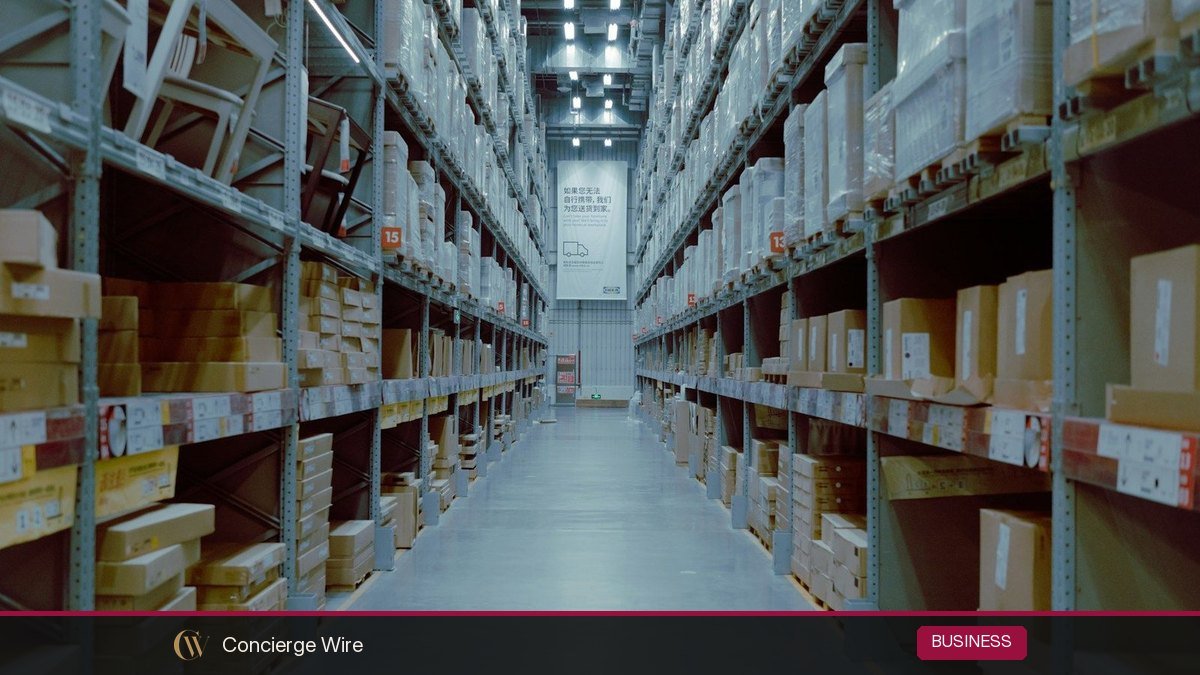
Making the right decision in Best warehouse Buying is no longer just about finding a large space at a low price. Warehouses today play a central role in logistics, e-commerce, manufacturing, and distribution, which means location, design, compliance, and scalability matter more than ever. Buyers who rush the process often face operational inefficiencies, unexpected costs, or limited growth potential.
The demand for warehouse property for sale has increased steadily due to supply chain expansion and last-mile delivery needs. As a result, competition has intensified, making informed decision-making critical. Whether you are a business owner securing space for operations or an investor targeting long-term returns, choosing the right warehouse requires strategy, research, and financial clarity.
This in-depth guide breaks down Best Warehouse Buying step by step. You’ll learn how to evaluate locations, understand warehouse types, calculate costs, identify risks, and align your purchase with business or investment goals without relying on guesswork.
When searching for a warehouse for sale, buyers should consider factors such as location accessibility, zoning regulations, square footage, ceiling height, and future expansion potential. Proximity to transportation hubs and major roads increases property value and tenant demand. A well-located warehouse for sale can generate strong rental income or serve as a strategic base for long-term business growth.
Why Best Warehouse Buying Requires a Strategic Approach
Warehouses are functional assets, not emotional purchases. Unlike residential property, industrial assets must support workflow efficiency, compliance standards, and future expansion. A poorly chosen warehouse can slow operations, increase transportation costs, and reduce profitability.
Best warehouse Buying starts with understanding how the property will be used. A logistics hub has different requirements than a manufacturing facility or cold storage unit. Ceiling height, floor load capacity, docking systems, and access routes all impact usability.
From an investment perspective, warehouses in strong industrial corridors tend to outperform other commercial assets due to stable demand and long lease terms. This makes location selection and tenant suitability essential factors.
Understanding Different Types of Warehouses
Distribution Warehouses
Distribution warehouses focus on storage and movement of goods. These properties typically require multiple loading docks, high ceilings, and proximity to highways or ports.
They are ideal for logistics companies, wholesalers, and large retailers. Best warehouse Buying in this category prioritizes accessibility and turnaround efficiency.
Manufacturing Warehouses
Manufacturing warehouses combine production and storage. These facilities need higher power capacity, zoning approval, and space for machinery.
Buyers must evaluate structural strength, ventilation, and compliance with industrial safety regulations before purchase.
Cold Storage Warehouses
Cold storage warehouses are specialized assets used for food, pharmaceuticals, and perishables. These properties involve higher upfront costs but can deliver strong returns when located near supply chains.
Maintenance and energy efficiency are critical considerations when buying this type of warehouse.
Choosing the Best Location to Buy a Warehouse
Location is the backbone of Best warehouse Buying. The right location reduces logistics costs, improves delivery speed, and enhances tenant demand.
Proximity to highways, ports, rail lines, and airports adds operational value. Industrial zones with supportive zoning laws simplify compliance and future expansion.
Areas near urban centers often attract higher demand due to last-mile delivery needs, while peripheral zones may offer lower acquisition costs and larger land parcels.
Market Demand and Industrial Growth Trends
Understanding local industrial demand is essential before purchasing a warehouse for sale. Regions with strong manufacturing output, e-commerce growth, or logistics infrastructure tend to experience consistent warehouse absorption.
Buyers should analyze vacancy rates, rental trends, and new industrial developments. When supply is scarce and demand is high, it frequently results in appreciation and stable income.
Ignoring market fundamentals is one of the most common mistakes in industrial warehouse buying.
Financial Planning for Warehouse Buying
Best warehouse Buying requires a clear understanding of both upfront and ongoing costs. Purchase price is only part of the equation.
Operational expenses include property taxes, insurance, maintenance, utilities, and security. Buyers should also factor in renovation or customization costs.
A simple cash flow analysis helps determine feasibility. Compare expected income or operational savings against total ownership costs to assess long-term viability.
Legal and Zoning Considerations
Warehouses are heavily regulated assets. Zoning laws dictate permissible uses, operating hours, and environmental compliance.
Before purchasing a warehouse property for sale, buyers must verify zoning classification, occupancy permits, and building code compliance.
Environmental assessments are especially important, as industrial properties may carry contamination risks that lead to costly remediation.
Infrastructure and Design Features That Matter
Structural quality directly affects warehouse usability. High clear ceiling heights allow better storage efficiency and automation integration.
Floor load capacity must support heavy equipment or palletized goods. Dock configuration, yard space, and truck maneuverability impact daily operations.
Best warehouse Buying prioritizes properties that balance current needs with future adaptability.
Technology and Modern Warehouse Requirements
Modern warehouses increasingly rely on automation, inventory management systems, and energy-efficient design.
Buyers should consider electrical capacity, internet connectivity, and adaptability for warehouse management software.
Properties that support modern logistics technology tend to attract premium tenants and retain value longer.
Risks and Challenges in Warehouse Buying
No industrial investment is without risk. Market downturns, tenant concentration, and regulatory changes can impact returns.
Maintenance costs can escalate if buildings are outdated or poorly constructed. Environmental liabilities also pose financial risks.
Acknowledging these risks early allows buyers to mitigate them through inspections, diversification, and professional guidance.
Benefits and Drawbacks of Purchasing vs. Renting a Warehouse
Buying a warehouse offers long-term cost stability and asset appreciation. Owners gain control over customization and operational decisions.
However, ownership ties up capital and increases responsibility for maintenance and compliance.
Leasing provides flexibility but lacks equity growth. Best warehouse Buying is most suitable for businesses with stable operations or investors seeking long-term returns.
Investment Perspective: ROI and Exit Strategy
From an investment standpoint, warehouses often deliver predictable income through long leases and reliable tenants.
Exit strategy should be considered before purchase. Warehouses in high-demand corridors attract institutional buyers, improving liquidity.
Understanding who the future buyer might be helps guide smarter acquisition decisions.
Common Mistakes in Best Warehouse Buying
Many buyers underestimate operational costs or overestimate demand. Others choose locations based solely on price without considering logistics efficiency.
Skipping professional inspections or legal reviews often leads to expensive surprises later.
Successful buyers focus on fundamentals rather than short-term bargains.
How to Evaluate a Warehouse Before Purchase
Start with a site visit to assess access, layout, and surrounding infrastructure. Review building plans and maintenance history.
Engage professionals for structural, environmental, and legal due diligence. This upfront investment protects long-term value.
Comparing multiple warehouse property for sale options helps establish realistic benchmarks.
Mini-Summary: What Makes a Warehouse a Smart Buy
Best warehouse Buying balances location, functionality, financial feasibility, and market demand. The ideal warehouse supports operations today while remaining adaptable for future growth.
Buyers who combine research with professional advice consistently achieve better outcomes.
Conclusion
Best warehouse Buying is a strategic decision that impacts operational efficiency, financial performance, and long-term growth. In a market driven by logistics expansion and industrial demand, informed buyers gain a clear advantage.
By understanding warehouse types, evaluating locations, planning finances, and managing risks, businesses and investors can secure assets that deliver lasting value. The right warehouse is not just a building, it’s a foundation for scalable success.
Taking a disciplined, research-driven approach ensures your warehouse buy is in line with both present requirements and upcoming prospects.
FAQs
What does Best warehouse Buying really mean?
Best warehouse Buying refers to selecting a warehouse that aligns with location, functionality, budget, and long-term operational or investment goals.
What is the best location to buy a warehouse?
The best location typically offers strong transport access, industrial zoning, and consistent demand from logistics or manufacturing sectors.
Is buying a warehouse a good investment?
Yes, industrial warehouse investment can offer stable income and appreciation, especially in high-demand logistics corridors.
What should I check before buying a warehouse for sale?
Key checks include zoning compliance, structural condition, environmental reports, access routes, and total ownership costs.
How much capital is needed for warehouse buying?
Capital requirements vary widely based on size, location, and condition. Buyers should budget for purchase price plus renovation and operating costs.
Can small businesses benefit from Best warehouse Buying?
Yes, small businesses with stable operations can benefit from ownership by reducing long-term occupancy costs and gaining asset value.