Eco-Friendly Gift Wrapping Ideas (and What You Can Recycle)
Low-waste gift wrapping ideas from furoshiki to kraft paper, plus what wrapping paper, tissue, gift bags and ribbons can and cannot go in the recycling bin.
Updated November 2026. You can wrap every gift this season without shiny paper that ends up in the trash. This guide covers 12 eco-friendly gift wrapping ideas, including furoshiki (Japanese cloth wrapping) step by step, kraft paper styling, and reuse tricks, plus a clear table of what wrapping can and cannot go in most curbside recycling bins, based on EPA guidance.
Quick answer: Plain paper wrap, kraft paper, tissue paper and cardboard boxes are usually recyclable. Foil, glitter, metallic or laminated wrap, ribbons, bows and most gift bags with foil or plastic coatings are usually not. Use the “scrunch test”: if paper stays crumpled in a ball, it is likely paper; if it springs back, it probably has plastic or foil in it. Local rules differ, so check your city’s recycling guide.
Key Takeaways
- The greenest wrap is one you reuse: fabric, tins, baskets, jars and gift bags kept from last year.
- Furoshiki uses a square of cloth and a couple of knots, and the cloth becomes part of the gift.
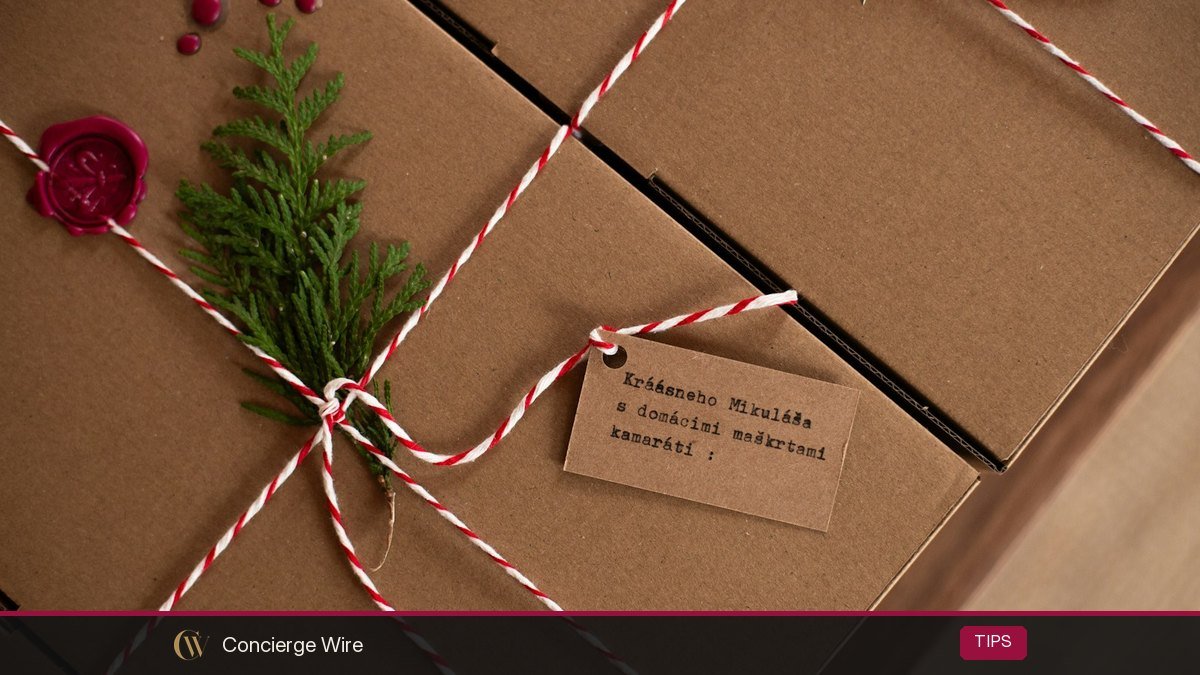
- Kraft paper with twine and greenery looks premium, costs little and is widely recyclable and compostable.
- The EPA notes that shiny or laminated gift wrap often is not recyclable. Ribbons and bows should never go in the curbside bin.
- When in doubt, check your city’s rules or a recycling locator instead of “wishcycling”, which can contaminate a whole load.
Why rethink wrapping this year
Gift wrap is used for minutes and thrown away in seconds. Much of the conventional paper sold in the U.S. is dyed, coated or printed with metallic inks that recycling facilities cannot process, so it goes to landfill even when people put it in the blue bin. In some cases, the wrong items in the bin can contaminate otherwise recyclable paper.
The good news is that low-waste wrapping is not a sacrifice. Cloth, kraft paper, natural twine and greenery look thoughtful, photograph well and often cost less than a roll of foil paper and a bag of bows. And if you run a small business, eco-friendly gift wrap is an easy way to make packaging feel special without adding cost or waste.
What gift wrap can and cannot be recycled
The U.S. Environmental Protection Agency’s page on how to recycle common recyclables says that paper gift wrap “often is not recyclable when it has a shiny or laminated coating”, and suggests looking for wrap labeled recyclable or made with recycled content, or reusing gift bags, boxes and tissue paper. It also says plastic bags and films are recyclable but cannot go in household bins; take them to a store drop-off instead.
Use this table as a general guide. Your local program always has the final say.
| Item | Curbside recycling (typical) | Better option |
|---|---|---|
| Plain, uncoated wrapping paper | Usually yes (remove heavy tape and bows) | Reuse first if it is clean |
| Kraft or brown paper | Yes | Reuse, or compost if uncoated |
| Tissue paper | Often yes; some programs exclude it because fibers are short | Reuse; compost if plain |
| Foil, metallic, glitter or laminated wrap | No | Avoid buying; reuse what you already have |
| Cardboard boxes and shipping boxes | Yes, flattened | Reuse for next year’s gifts |
| Paper gift bags (no foil or plastic coating) | Usually yes, without handles of rope or ribbon | Reuse many times |
| Foil-lined or plastic-coated gift bags | No | Reuse |
| Ribbons and bows | No; they tangle sorting machines | Save and reuse, or use paper twine |
| Cellophane and plastic wrap | No (curbside); some film goes to store drop-off | Avoid |
| Tape | Small amounts on paper are often tolerated | Use less, or paper tape |
| Greeting cards | Plain cards yes; glitter, foil, batteries or sound chips no | Cut fronts into gift tags |
How to do the scrunch test
- Take a piece of the wrapping paper about the size of your palm.
- Scrunch it tightly into a ball.
- Open your hand. If it stays balled up, it is probably plain paper. If it springs open, it likely contains plastic, foil or a laminate.
The scrunch test is a rule of thumb, not an official standard. Some programs reject all wrapping paper, and some accept tissue while others do not. If you are unsure, the Earth911 recycling search lets you look up local options by ZIP code, and packaging marked with the How2Recycle label tells you how to dispose of it.
Furoshiki: wrap with cloth in five steps
Furoshiki is a traditional Japanese wrapping cloth. A square of fabric wraps almost any shape, needs no tape and can be reused by the recipient as a scarf, napkin, tote or next year’s wrap.
What size cloth do you need?
| Gift size | Square cloth size | Good fabrics |
|---|---|---|
| Small box, jar or candle | About 18-20 inches | Cotton napkin, bandana |
| Book or medium box | About 28 inches | Cotton scarf, tea towel |
| Bottle of wine or olive oil | About 28 inches | Cotton or linen |
| Large box | About 36-40 inches or more | Large scarf, tablecloth |
The rule of thumb is that the diagonal of the cloth should be about three times the width of the gift. Thinner fabrics like cotton and silk-like scarves knot more neatly than thick wool.
The basic box wrap (otsukai-zutsumi style)
- Lay the cloth flat like a diamond, with the wrong side up. Place the box in the center.
- Fold the bottom corner over the box and tuck it under.
- Fold the top corner over the box and tuck any extra fabric under.
- Bring the left and right corners up to the top of the box.
- Tie them in a square knot (right over left, then left over right) and fluff the ends.
Slip a sprig of pine, a cinnamon stick or a handwritten tag under the knot. For a bottle, stand it in the center, bring two opposite corners up and knot them at the neck, then wrap the other two around the bottle and tie at the front.
Where to find cloth cheaply: thrift-store scarves and napkins, leftover fabric, old pillowcases and tea towels. A set of tea towels makes a wrap that is also a second gift.
12 eco-friendly gift wrapping ideas
- Kraft paper and twine. Brown kraft paper tied with jute or cotton twine, finished with a rosemary sprig or dried orange slice. Simple and elegant.
- Furoshiki or tea towels. See the steps above. The wrap is a bonus gift.
- Newspaper or magazine pages. The comics section for kids, the crossword for a puzzle lover, a travel magazine for someone heading out. Use paper tape for a neat finish.
- Brown paper bags, opened flat. Grocery bags turned inside out make sturdy wrapping for books and boxes.
- Reused gift bags and tissue. Keep a box of last year’s bags and tissue in the closet. Pull from it first.
- Jars and tins. Cookies, spice blends, bath salts or small gifts go into clean jam jars or cookie tins with a fabric scrap tied over the lid.
- Baskets and bowls. Put a food gift in a serving bowl or basket that is part of the present.
- Kids’ artwork. Large drawings or painted butcher paper make wrap grandparents keep.
- Maps and sheet music. Old road maps and printed sheet music from thrift stores look striking on boxes.
- Stamped kraft paper. Cut a potato or apple into a star or tree shape and stamp with washable paint for custom paper.
- Seed paper tags. Tags embedded with wildflower seeds can be planted in spring. Check that any seed mix suits your region.
- The wrap-free reveal. Hide gifts and leave a hand-drawn treasure map, or put a bigger item under a blanket for a “reveal” moment.
Finishing touches without plastic
- Ties: jute, cotton or paper twine; strips of fabric; yarn; or reused ribbon from last year.
- Decorations: pine sprigs, holly, eucalyptus, dried orange slices, cinnamon sticks, pinecones and star anise. Keep berries and greenery away from small children and pets, as some holiday plants are toxic.
- Tags: cut from old greeting cards, cereal boxes or kraft scraps, punched and tied with twine.
- Tape: paper (washi or kraft) tape, or skip tape with folding techniques and twine.
How to wrap a box neatly with kraft paper
Kraft paper is stiffer than printed wrap, which makes crisp edges easier once you know the steps.
- Cut a sheet that wraps around the box with about 2 inches of overlap, and extends past each end by a little more than half the box’s height.
- Place the box upside down in the center. Fold one long edge over the box, then fold the other edge under by half an inch for a clean seam and bring it over.
- Secure the seam with one small piece of paper tape, or skip tape and rely on twine.
- At each end, push the sides in to form two triangular flaps, fold the top flap down, then fold the bottom flap up.
- Crease every edge with your thumbnail for a sharp, store-wrapped look.
- Turn the box over, wrap twine around it both ways, tie a bow or knot, and tuck in greenery and a tag.
Want color? Add a band of reused fabric or a strip cut from an old map around the middle before you tie the twine. A rubber stamp and one ink color turn plain paper into custom wrap in minutes.
Cost comparison: conventional vs. low-waste
Prices vary by store and region, but here is how the options typically compare for wrapping about 15 gifts. Treat these as rough illustrations, not quotes.
| Approach | What you buy | Rough cost | Reusable? |
|---|---|---|---|
| Conventional | 2-3 rolls of printed or foil wrap, bows, ribbon, tape | Moderate, repeats every year | Rarely |
| Kraft and twine | One large roll of kraft paper, one spool of twine | Low | Paper is recyclable; twine lasts years |
| Furoshiki | Thrifted scarves or tea towels | Low to moderate up front | Yes, for years |
| Reuse box | Nothing | Free | Yes |
For small businesses: low-waste gift packaging
If you sell gifts, this season’s wrapping choices show up in every unboxing video. A few ideas that work in shops and for online orders:
- Offer kraft wrap with twine as your standard gift wrap and explain on a small card why it is recyclable.
- Sell reusable cloth wraps as an add-on. Customers who like furoshiki often come back for more.
- Use paper tape and paper void fill in shipping boxes so the whole package can go in one bin.
- Avoid claims you cannot support. “Recyclable” should mean recyclable in most communities; if it is only accepted in some areas, say so. Labels like How2Recycle help customers dispose of packaging correctly.
After the gifts: a quick cleanup plan
- Put a “save” box near the tree for bags, tissue, ribbons, boxes and good paper.
- Flatten cardboard and remove plastic windows and packing foam.
- Sort paper using the scrunch test; foil and glitter go in the trash.
- Take plastic film to a store drop-off if your area has one.
- Cut the fronts of greeting cards into tags for next year.
Frequently Asked Questions
Is wrapping paper recyclable?
Plain, uncoated wrapping paper usually is. Wrap with foil, glitter, metallic ink or a shiny laminated coating usually is not, as the EPA notes. Check your local program because rules vary.
Can tissue paper be recycled?
Some programs accept it and some do not, because its fibers are short. Reuse it as many times as you can, and compost plain tissue if your program does not take it.
Are ribbons and bows recyclable?
No. They can tangle sorting equipment. Save them for reuse, or switch to paper or cotton twine that can be composted or reused.
What is furoshiki?
Furoshiki is a traditional Japanese wrapping cloth. You place the gift in the center of a square of fabric and tie the corners into knots. The cloth can be reused again and again.
What is the scrunch test?
Crumple a piece of the paper in your hand. If it stays crumpled, it is probably plain paper that can be recycled. If it springs back, it likely contains plastic or foil and should not go in the recycling bin.
Are paper gift bags recyclable?
Plain paper bags usually are once you remove rope or ribbon handles. Bags with foil, glitter or a plastic coating are not, but they can be reused for years.
Start a reuse box today
Before you buy a single roll, collect what you already have: scarves, tea towels, boxes, jars, last year’s gift bags and paper bags. Add one roll of kraft paper and a spool of twine, and you are ready for the whole season with less waste and more personality on every gift.