Kwanzaa 2026: Dates, Seven Principles, Kinara and Traditions
Kwanzaa 2026 runs from Saturday, Dec. 26, to Friday, Jan. 1, 2027. Here is the day-by-day calendar, the symbols, candle lighting, foods and greetings.
Kwanzaa 2026 runs from Saturday, December 26, 2026, through Friday, January 1, 2027. This guide gives you the day-by-day calendar with each of the seven principles, what the kinara and the other symbols mean, how the candles are lit, the traditional greeting, karamu feast ideas, gift customs, and how to wish someone a happy Kwanzaa respectfully, all checked against the Official Kwanzaa Website.
Updated November 2026.
Quick answer: Kwanzaa is a seven-day African American and Pan-African cultural holiday held every year from December 26 to January 1. In 2026 it starts on Saturday, Dec. 26, and ends on Friday, Jan. 1, 2027. Each day honors one of the seven principles (Nguzo Saba), starting with Umoja (unity). The karamu feast is commonly held on Dec. 31. The traditional greeting is “Habari gani?”, answered with the principle of the day.
Key Takeaways
- Dates never change: Dec. 26 to Jan. 1. In 2026, that is Saturday to the following Friday.
- Kwanzaa was created in 1966 by Dr. Maulana Karenga, so this year’s celebration marks 60 years since the first one.
- It is a cultural holiday, not a religious one, and can be celebrated alongside any faith, according to the official site.
- The kinara holds seven candles: one black (center), three red (left) and three green (right).
- Gifts (zawadi) are traditionally meaningful rather than expensive, often handmade or educational.
When is Kwanzaa 2026?
Kwanzaa is always celebrated from December 26 through January 1, so unlike holidays tied to a lunar or religious calendar, the dates stay the same every year. Here is the 2026 calendar.
| Date | Day | Principle (Swahili) | Meaning |
|---|---|---|---|
| Dec. 26, 2026 | Saturday | Umoja | Unity |
| Dec. 27, 2026 | Sunday | Kujichagulia | Self-determination |
| Dec. 28, 2026 | Monday | Ujima | Collective work and responsibility |
| Dec. 29, 2026 | Tuesday | Ujamaa | Cooperative economics |
| Dec. 30, 2026 | Wednesday | Nia | Purpose |
| Dec. 31, 2026 | Thursday | Kuumba | Creativity (karamu feast commonly held this day) |
| Jan. 1, 2027 | Friday | Imani | Faith (a day of reflection and recommitment) |
Because Dec. 31 falls on a Thursday and Jan. 1 on a Friday, many families will be able to hold the karamu on New Year’s Eve and spend the federal New Year’s Day holiday on the closing day of reflection.
What is Kwanzaa? A short history
Kwanzaa was created in 1966 by Dr. Maulana Karenga, a scholar and activist, and the organization Us, which the Official Kwanzaa Website describes as the founding organization and authoritative keeper of the tradition. The site describes it as an African American and Pan-African holiday celebrated by millions throughout the world African community.
The name comes from the Swahili phrase matunda ya kwanza, meaning “first fruits.” According to the official FAQ, an extra “a” was added to “kwanza” so the word would have seven letters, matching the seven principles. Kwanzaa is modeled on African first-fruits harvest celebrations, which is why crops and harvest symbols appear on the Kwanzaa table.
Each year the founder releases a theme and message for the celebration, usually published on the official site in December. If you are planning a school, church or community event, check there for the 2026 theme.
Is Kwanzaa religious?
No. The official FAQ states that Kwanzaa “is not a religious holiday, but a cultural one.” People of many faiths celebrate it alongside their own religious holidays, including Christmas.
Who can celebrate Kwanzaa?
The official FAQ calls Kwanzaa “clearly an African holiday created for African peoples,” but says others can take part, in the same way people join in other cultures’ celebrations. It adds that particular peoples should always be in control of and conduct their own celebrations. In practice, that means non-Black guests are welcome to attend, learn and share good wishes, while the celebration itself is led by the community.
The seven principles of Kwanzaa (Nguzo Saba)
The Nguzo Saba are the heart of Kwanzaa. Each day, families and communities reflect on one principle, often through conversation, readings, music or an activity.
- Umoja (Unity): striving for and maintaining unity in the family, community, nation and race. A common activity: a family meal where everyone shares what unity means to them.
- Kujichagulia (Self-determination): defining, naming, creating and speaking for ourselves. Families might talk about goals for the year ahead.
- Ujima (Collective work and responsibility): building and maintaining community together and solving problems together. Volunteering or helping a neighbor fits this day.
- Ujamaa (Cooperative economics): building and maintaining our own stores, shops and other businesses and profiting from them together. Many families make a point of shopping at Black-owned businesses on this day.
- Nia (Purpose): making the collective vocation the building and development of the community. A good day for mentoring or sharing career stories with young people.
- Kuumba (Creativity): doing as much as we can to leave the community more beautiful and beneficial than we inherited it. Music, poetry, art and dance are central, and the karamu is commonly held on this day.
- Imani (Faith): believing in our people, parents, teachers and leaders, and in the righteousness and victory of the struggle. The official site describes the holiday closing with a day of reflection and recommitment.
The official site has a dedicated page for each principle if you want the founder’s fuller explanation.
Kwanzaa symbols and what they mean
A traditional Kwanzaa table is set with seven basic symbols and two supplemental ones. The meanings below follow the official symbols page.
| Symbol (Swahili) | English | What it represents |
|---|---|---|
| Mazao | The crops | African harvest celebrations and the rewards of productive, collective labor |
| Mkeka | The mat | Tradition and history, the foundation on which to build |
| Kinara | The candle holder | Roots: the parent people, continental Africans |
| Muhindi | The corn | Children and the future they embody |
| Kikombe cha Umoja | The unity cup | Unity, the foundational principle that makes all else possible |
| Mishumaa Saba | The seven candles | The Nguzo Saba, the seven principles |
| Zawadi | The gifts | The labor and love of parents, and the commitments children make and keep |
| Bendera (supplemental) | The flag | Black for the people, red for their struggle, green for the future and hope that come from it |
| Nguzo Saba poster (supplemental) | The seven principles poster | Keeps the principles at the center of the celebration |
How to set the Kwanzaa table
- Lay the mkeka (a woven mat or African-print cloth) on a table.
- Place the kinara in the center of the mat with its seven candles.
- Arrange the mazao (fruits and vegetables) around it.
- Add one ear of corn (muhindi) for each child in the household. Many families place one ear even if there are no children at home, to represent the children of the community.
- Set the kikombe cha umoja (unity cup) on the mat.
- Place zawadi (gifts) on the mat until they are given.
- Display the bendera and the Nguzo Saba poster nearby.
The kinara and how to light the candles
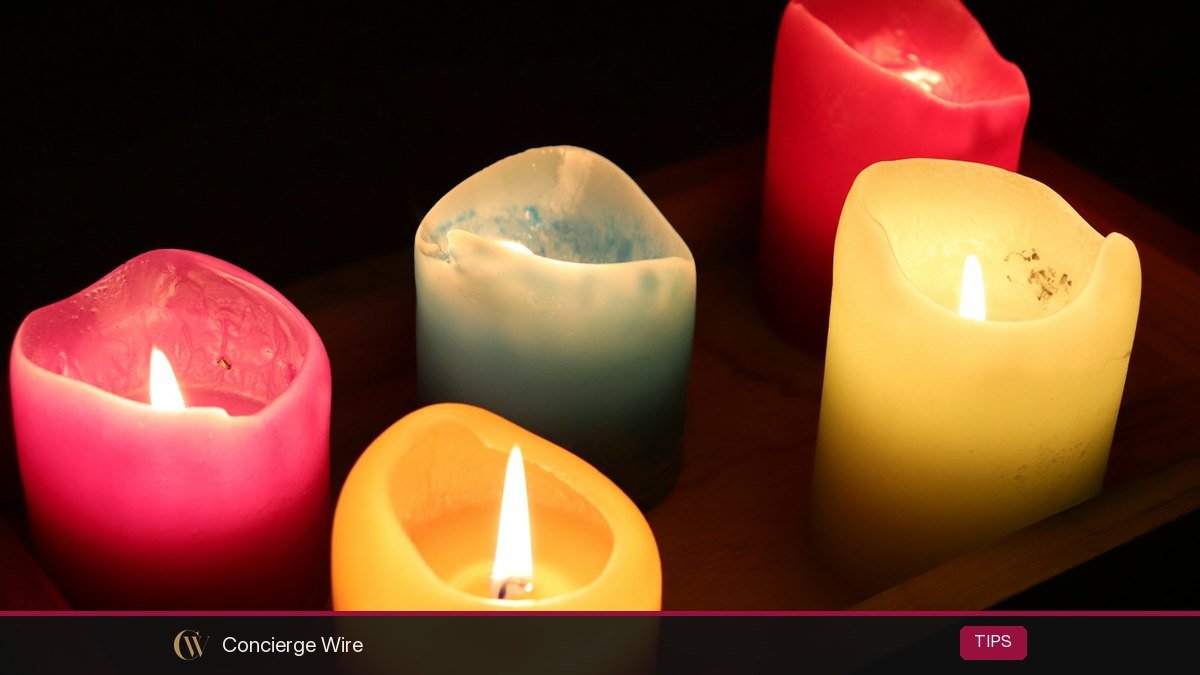
The kinara holds the mishumaa saba, the seven candles, in the three colors of the bendera. According to the official site:
- One black candle stands in the center and represents Umoja (unity), and the people.
- Three red candles stand to the left of the black candle and represent Kujichagulia, Ujamaa and Kuumba.
- Three green candles stand to the right and represent Ujima, Nia and Imani.
The black candle is lit first, on the first day. The official site says the remaining candles are then lit from left to right on the following days, a sequence meant to show that “the people come first, then the struggle and then the hope that comes from the struggle.” Many families light one new candle each evening, relight the ones already lit, and talk about that day’s principle. Some families alternate between the red and green sides; follow your own family’s or community’s practice.
Safety tip: never leave lit candles unattended, keep them away from curtains and decorations, and set the kinara on a stable, heat-safe surface.
Kwanzaa greetings: what to say
The official greetings are in Swahili. Throughout the holiday, people greet each other with:
“Habari gani?” (roughly, “What is the news?”)
The answer is the principle of that day. On Dec. 26 the reply is “Umoja!”, on Dec. 27 “Kujichagulia!”, and so on through “Imani!” on Jan. 1. The point, according to the official site, is to keep the seven principles in mind throughout the holiday.
Outside that exchange, many people also say “Heri za Kwanzaa” (commonly used to mean happy Kwanzaa or good wishes for Kwanzaa) or simply “Happy Kwanzaa.”
Respectful greetings for coworkers, customers and neighbors
- “Wishing you and your family a joyful Kwanzaa.”
- “Happy Kwanzaa! I hope this week brings you time with the people you love.”
- For businesses posting online: “Wishing a happy Kwanzaa to everyone in our community who is celebrating.”
Keep it sincere and simple. Avoid using Kwanzaa as a sales hook, and don’t assume someone celebrates it because of their background. If you are not sure, “Happy holidays” is always fine.
For schools and workplaces, the most respectful approach is to learn first and celebrate second. Share the dates and the seven principles, invite colleagues or families who celebrate to lead or speak if they wish, and support a local Black-owned business or community organization during the week. A display of the symbols with short explanations is a simple, accurate way to mark the holiday without reducing it to decorations.
Karamu: Kwanzaa foods and feast ideas
The karamu is a feast with music, dance, poetry and storytelling, held near the end of the holiday and most commonly on December 31. Menus draw on the wide range of the African diaspora: West African, Caribbean, Latin American and African American Southern cooking. There is no required menu. Here are common choices:
| Course | Ideas |
|---|---|
| Mains | Jollof rice with chicken, jerk chicken, groundnut (peanut) stew, gumbo, fried or baked catfish, oxtail stew |
| Sides | Collard greens, black-eyed peas, red beans and rice, fried plantains, macaroni and cheese, cornbread |
| Desserts | Sweet potato pie, benne (sesame) wafers, peach cobbler, coconut cake, bread pudding |
| Drinks | Sorrel (hibiscus drink), ginger beer, fruit punch |
Potluck karamu are popular: each family brings a dish connected to their own heritage, which turns the meal into a conversation about where everyone’s traditions come from. At many karamu, the unity cup is used for a libation honoring the ancestors, often led by an elder.
Kwanzaa gifts (zawadi) and other traditions
Zawadi are given mainly to children and, according to the official symbols page, represent the labor and love of parents and the commitments children make and keep. The tradition favors meaningful gifts over expensive ones. Gifts are often handmade, or educational and cultural, such as:
- Books by Black authors or about African and African American history
- Art supplies, musical instruments or a handmade item
- A heritage item such as African-print fabric, a carved piece or a family photo album
- Something bought from a Black-owned business, in the spirit of Ujamaa
Other common traditions include storytelling by elders, community events at museums and cultural centers, drumming and dance performances, and children’s crafts such as paper kinaras, woven paper mats and Nguzo Saba posters. Many cities hold public celebrations during the week; check your local museum, library or cultural center listings in December.
Frequently Asked Questions
What are the dates of Kwanzaa 2026?
Kwanzaa 2026 begins on Saturday, December 26, 2026, and ends on Friday, January 1, 2027. The dates are the same every year: December 26 through January 1.
How many years has Kwanzaa been celebrated?
Kwanzaa was created in 1966, so the 2026 celebration marks 60 years since the first Kwanzaa.
What do the colors of Kwanzaa mean?
Black, red and green come from the bendera (flag). According to the official site, black stands for the people, red for their struggle, and green for the future and hope that come from the struggle.
What do you say on Kwanzaa?
The traditional greeting is “Habari gani?” and the reply is the principle of the day, such as “Umoja” on December 26. “Happy Kwanzaa” or “Heri za Kwanzaa” are also commonly used.
Can you celebrate Kwanzaa and Christmas?
Yes. The official site says Kwanzaa is a cultural holiday, not a religious one, and many families celebrate both.
When is the Kwanzaa feast?
The karamu is commonly held on December 31, the sixth day. Some families and communities hold it on a different evening, so check your local event or family plans.
Celebrating this year
Whether you are lighting a kinara for the first time, planning a community karamu or simply wishing a neighbor well, the heart of Kwanzaa is the seven principles. Set the table, light the black candle on December 26, ask “Habari gani?” and spend the week living out one principle a day.