Meal Prep for Beginners: A Simple Weekly System That Sticks
A beginner-friendly meal prep system: plan, shop once and cook flexible components in about 90 minutes for a week of easy meals.
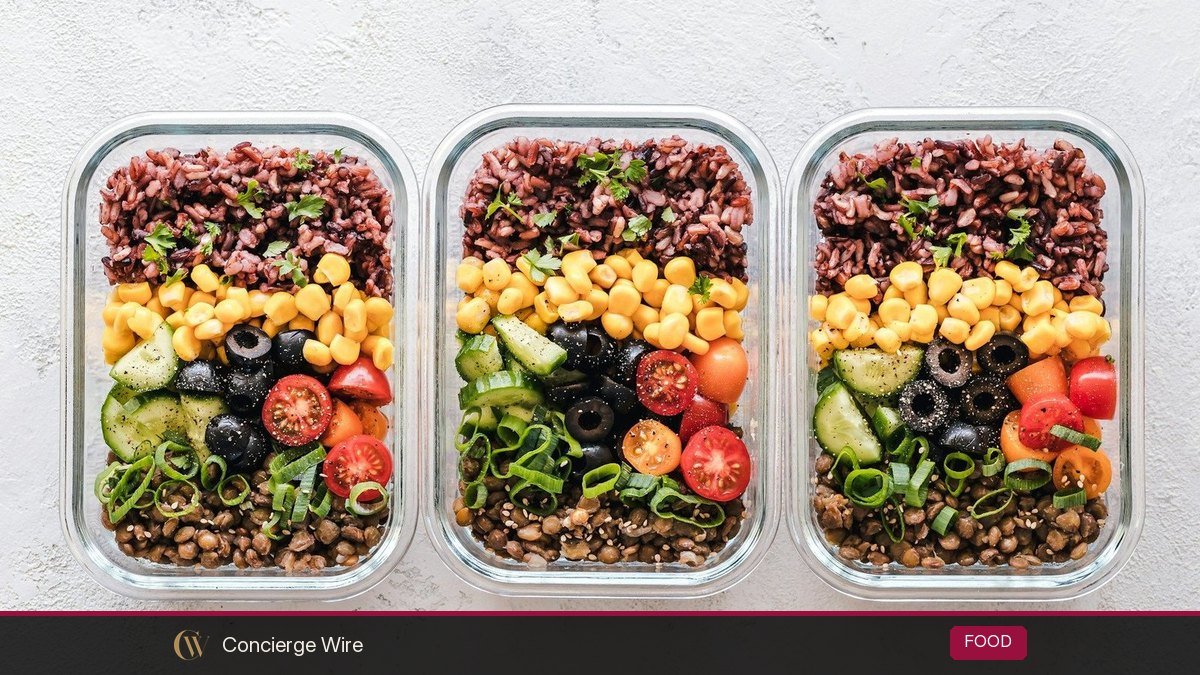
Meal prep for beginners doesn’t mean spending all of Sunday filling 21 identical containers. The system that actually sticks is simpler: plan four or five meals, shop once, spend 90 minutes cooking a few flexible components, and mix them into different meals through the week. This guide walks you through that system step by step, with a sample plan, a shopping list framework, storage rules and the mistakes that make most people quit by Wednesday.
Key Takeaways
- Start small: prep lunches for four workdays, or dinners for three nights, not every meal of the week.
- Prep components (a protein, a grain, roasted vegetables, a sauce) instead of finished meals so you don’t get bored.
- Cooked leftovers keep 3 to 4 days in a fridge at 40°F or below, according to the USDA. Freeze anything you won’t eat by then.
- A 90-minute session can cover most of a week if you run the oven, stovetop and cutting board at the same time.
- Keep one “no-cook” backup meal on hand so a busy night doesn’t send you to takeout.
What Meal Prep Actually Means (and the Three Styles)
Meal prep is simply doing some of your cooking in advance so weekday meals take minutes instead of an hour. There are three common styles, and most people end up mixing them.
| Style | What you do | Best for | Downside |
|---|---|---|---|
| Full meals | Cook and portion complete meals into containers | Work lunches, calorie tracking | Repetitive; food fatigue by day 4 |
| Component prep | Cook building blocks you combine differently each day | Families, people who get bored easily | A few minutes of assembly each day |
| Ingredient prep | Wash, chop and marinate, then cook fresh each night | People who enjoy cooking but lack time | Still requires nightly cooking |
For beginners, component prep is the sweet spot. You get most of the time savings of full meals without eating the same chicken and rice five days in a row.
Step 1: Decide What You’re Prepping For
The biggest beginner mistake is trying to prep everything. Pick one target for your first two weeks:
- Weekday lunches if you buy lunch at work. This is where most people save the most money.
- Weeknight dinners if the 6 p.m. “what’s for dinner” scramble is your problem.
- Breakfasts if you skip breakfast or grab something on the way.
Then count the meals honestly. If you have a team lunch on Friday and dinner at a friend’s on Thursday, you need three dinners and four lunches, not seven and five. Food you prep but don’t eat is the fastest way to decide meal prep “doesn’t work.”
Step 2: Build a Simple Weekly Plan
Use the formula protein + carb + vegetable + sauce. Choose two of each and you can make at least eight different combinations.
A sample beginner plan
- Proteins: sheet-pan chicken thighs and a pot of black beans
- Carbs: brown rice and roasted sweet potatoes
- Vegetables: roasted broccoli and a raw slaw of shredded cabbage and carrots
- Sauces: a lemon-tahini dressing and store-bought salsa
What that becomes during the week:
| Day | Lunch | Dinner |
|---|---|---|
| Monday | Chicken, rice, broccoli, tahini | Black bean tacos with slaw and salsa |
| Tuesday | Burrito bowl: beans, rice, slaw, salsa | Sweet potatoes stuffed with beans and chicken |
| Wednesday | Chicken slaw wraps with tahini | Fried rice with chicken, broccoli and an egg |
| Thursday | Sweet potato, bean and broccoli bowl | Backup meal or leftovers |
Notice Thursday dinner. Planning one flexible slot absorbs the night you get home late, eat out, or finish leftovers. It keeps the plan realistic.
Choose foods that hold up
Some foods reheat beautifully; others turn sad by day two. Good bets: chicken thighs (more forgiving than breasts), ground turkey or beef, beans and lentils, hard-boiled eggs, rice, quinoa, farro, roasted root vegetables, sturdy greens like kale and cabbage, soups, chili and stews. Harder to prep ahead: crispy or fried foods, delicate fish, dressed leafy salads, and cut avocado. Add those fresh, or cook them the night you eat them.
Step 3: Shop With a List Built From the Plan
Write your shopping list by walking through each recipe, then check your pantry and fridge before you leave. Organize the list by store section (produce, meat, dairy, pantry, frozen) so you’re not zigzagging the aisles.
Money-saving habits that work well with meal prep:
- Buy proteins in family packs and freeze what you won’t use this week in meal-size portions.
- Use frozen vegetables. Frozen broccoli, spinach, peas and stir-fry blends are frozen soon after harvest, need no chopping, and don’t go limp in your crisper drawer.
- Pick one “shortcut” item per week, like a rotisserie chicken, pre-cut squash or a bagged slaw mix. It’s worth paying a little more if it means you actually do the prep.
- Keep a pantry base: rice, pasta, oats, canned beans, canned tomatoes, broth, tortillas, peanut butter, olive oil, vinegar, soy sauce and a few spice blends.
Step 4: The 90-Minute Prep Session
The trick to a short session is running several things at once. Here’s the order that works for the sample plan above:
- Minute 0: Preheat the oven to 425°F. Start the rice (rice cooker or stovetop). If using dried beans, they should already be soaked or in a pressure cooker; otherwise open canned beans.
- Minutes 5–20: Cut sweet potatoes and broccoli. Toss with oil and salt on two sheet pans. Season chicken thighs on a third pan.
- Minute 20: All pans into the oven. Chicken and sweet potatoes typically need 25 to 35 minutes; broccoli about 15 to 20. Use a thermometer: chicken is safe at 165°F.
- Minutes 20–40: Shred cabbage and carrots for slaw. Whisk the tahini dressing. Hard-boil a batch of eggs if you want them for breakfast.
- Minutes 40–60: Pull pans as they finish. Let everything cool on the counter briefly, but not for hours.
- Minutes 60–90: Portion lunches into containers, store components in separate containers, wash up.
Your first session will take longer. By the third or fourth week, most people settle into a rhythm and can do this in about an hour.
Equipment that makes it easier
- Two or three rimmed sheet pans
- A large sharp chef’s knife and a big cutting board
- A rice cooker, slow cooker or electric pressure cooker (one hands-off appliance is enough)
- Glass containers with locking lids, in a couple of sizes, that are microwave-safe
- An instant-read thermometer
- Painter’s tape and a marker for dating containers
Step 5: Store Food Safely
Food safety is where beginners get nervous, and rightly so. The USDA’s guidance on leftovers gives clear rules:
- Refrigerate within 2 hours of cooking (within 1 hour if the room is above 90°F).
- Use cooked leftovers within 3 to 4 days when kept in a refrigerator at 40°F or colder.
- Freeze at 0°F for longer storage. Frozen food stays safe, though quality declines over time.
- Divide large batches into shallow containers so they cool quickly.
- Reheat leftovers to 165°F.
What this means in practice: if you prep on Sunday, plan to eat those meals by Wednesday or Thursday. For Friday, either freeze a portion on Sunday and move it to the fridge Wednesday night, or do a quick mini-prep on Wednesday. Keep a fridge thermometer on a shelf; many home refrigerators run warmer than people assume.
What freezes well
| Freezes well | Freeze with caution | Don’t freeze |
|---|---|---|
| Soups, chili, stews, cooked beans, cooked grains, meatballs, burritos, muffins, pancakes, marinated raw meat | Cooked pasta (slightly undercook it), casseroles with dairy, mashed potatoes | Raw salad greens, cucumbers, cooked egg whites on their own, fried foods you want crisp |
Five Beginner Mistakes That Make People Quit
1. Prepping too much
Seven days of prepped meals often means food gets thrown out. Start with three or four days.
2. Making everything taste the same
If every meal has the same seasoning, you’ll be ordering pizza by Wednesday. Keep proteins simply seasoned (salt, pepper, garlic) and add personality with sauces: salsa, pesto, teriyaki, peanut sauce, chimichurri or a squeeze of lime.
3. Dressing salads in advance
Pack dressing separately and put the sturdiest ingredients at the bottom of the jar or container, with greens on top.
4. Ignoring texture
Reheated food can go soft. Add crunch at the last minute: toasted nuts, seeds, crushed tortilla chips, fresh cucumbers or a handful of raw spinach.
5. Skipping the backup plan
Keep a few no-effort meals on hand for chaos nights: frozen dumplings with a bag of stir-fry vegetables, eggs and toast, a can of soup with a grilled cheese, or pasta with jarred sauce and frozen peas. A backup plan is part of the system, not a failure of it.
Meal Prep for Different Situations
Cooking for one: Prep smaller batches and lean on the freezer. Cook a full pot of chili, eat two portions this week and freeze four for later weeks. After a month you’ll have a rotation of freezer meals.
Families: Component prep works best. Kids can build their own bowls or tacos, which cuts down on picky-eater standoffs. Prep snacks too: washed grapes, cut veggies, portioned yogurt.
Fitness goals: Portion proteins by weight with a kitchen scale and pack meals in individual containers. If you have specific nutrition targets or a medical condition such as diabetes, check with your doctor or a registered dietitian before making major changes to how you eat. MyPlate is a useful free starting point for balanced portions.
Tight budget: Build weeks around beans, lentils, eggs, rice, oats, frozen vegetables and whatever produce is on sale. A big pot of lentil soup or rice and beans is among the cheapest ways to feed a household.
Five Sauces That Rescue Any Prepped Meal
Sauces do most of the work of keeping prepped food interesting. Make one or two on prep day; each takes under five minutes and keeps several days in the fridge.
- Lemon-tahini: tahini, lemon juice, garlic, salt and water to thin. Great on grain bowls and roasted vegetables.
- Peanut-lime: peanut butter, soy sauce, lime juice, a little honey and hot water. Turns rice, noodles and chicken into a stir-fry style meal.
- Yogurt-herb: plain yogurt, chopped herbs, lemon and salt. Cools down spicy food and works as a dip.
- Quick vinaigrette: three parts oil to one part vinegar, mustard, salt and pepper. Shake it in a jar.
- Salsa verde shortcut: jarred salsa verde with chopped cilantro and a squeeze of lime. Ready for tacos and eggs.
A Printable Weekly Routine
- Thursday or Friday (10 minutes): Check your calendar, count meals needed, and pick two proteins, two carbs, two vegetables and two sauces.
- Saturday (45 minutes): Check the pantry, write the list, shop.
- Sunday (60–90 minutes): Cook, cool, portion, label, store.
- Wednesday (15 minutes): Move freezer portions to the fridge, cook anything fresh for the rest of the week.
- End of the week (5 minutes): Note what you actually ate and what got thrown out. Adjust next week’s quantities.
That last step matters more than any recipe. After three or four weeks of adjusting, you’ll know exactly how much rice your household eats and which meals are worth repeating.
Frequently Asked Questions
How long does meal prep last in the fridge?
The USDA says cooked leftovers are safe for 3 to 4 days in a refrigerator kept at 40°F or colder. Freeze anything you won’t eat within that window.
How many meals should a beginner prep?
Start with three to four days of one meal type, such as weekday lunches. Once that’s consistent, add dinners or breakfasts.
Is meal prep actually cheaper?
For most people, yes, mainly because it replaces takeout and cuts food waste. Buying proteins in bulk, using frozen vegetables and planning meals around sales stretches your budget further.
What are the easiest foods to meal prep?
Rice, quinoa, roasted vegetables, chicken thighs, ground meat, beans, lentils, hard-boiled eggs, soups and chili. They reheat well and work in many different meals.
Do I need special containers?
No, but good containers help. Glass containers with locking lids are microwave-safe, don’t stain, and last for years. Choose a couple of sizes that stack well in your fridge.
How do I keep meal prep from getting boring?
Prep components instead of complete meals and rotate sauces. The same chicken and rice tastes different with salsa and lime on Monday and teriyaki and sesame on Tuesday.
Start This Weekend
Pick one target, like four lunches. Choose two proteins, two carbs, two vegetables and two sauces. Shop once, cook for 90 minutes, and eat what you made by Thursday. Adjust next week based on what you actually ate. That’s the whole system, and it gets faster every time you do it.