How to Lower Your Grocery Bill: 25 Proven Ways for American Families
Twenty-five realistic ways to spend less on groceries, organized by planning, shopping, what goes in the cart and cutting waste.
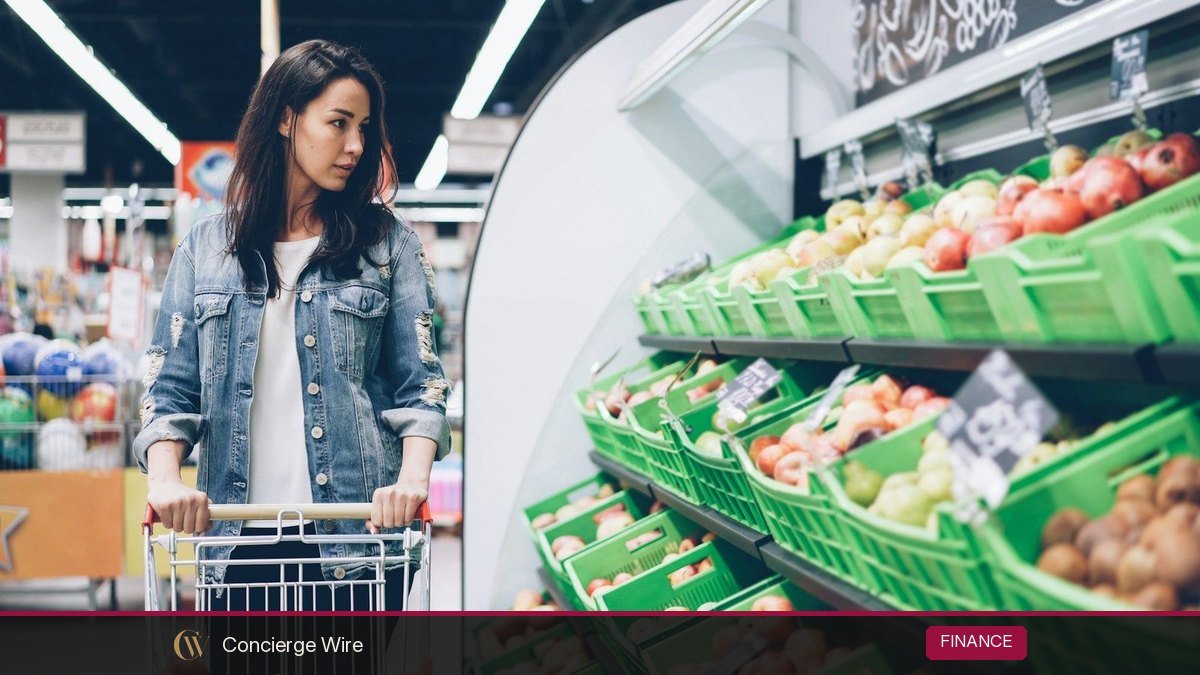
To lower your grocery bill, focus on three things in this order: plan meals before you shop, shop with a hard list at the cheapest store for each category, and waste less of what you buy. The 25 methods below are grouped by those stages, with realistic notes on how much effort each takes, so an American family can pick the handful that fit and start saving on the next trip.
Key Takeaways
- Planning beats couponing. A weekly meal plan built around what is already in your kitchen cuts spending more reliably than chasing deals.
- Store brands, unit pricing and buying staples in bulk are the three lowest-effort savings for most families.
- Food waste is a hidden grocery cost. Using up leftovers and freezing extras saves money without changing what you eat.
- Check whether your household qualifies for SNAP or WIC; many working families do and never apply.
- USDA forecasts grocery prices will keep rising modestly in 2026, so habits that save a few percent every week add up over the year.
Why Grocery Bills Keep Climbing
Grocery prices jumped sharply in 2022 and have kept creeping up since. The USDA’s Economic Research Service forecast food-at-home prices to rise again in 2026, at a slower pace than the historical average but still upward, with some categories like beef rising faster. You can follow its monthly updates in the USDA Food Price Outlook.
You cannot control prices, but you can control four things: what you buy, where you buy it, how much you buy, and how much you throw away. Every tip below works on one of those.
Step 1: Plan Before You Shop (Tips 1–6)
Most overspending happens before you reach the store, in the form of no plan and no list.
1. Start with a pantry, fridge and freezer check
Before you plan anything, look at what you already have. Build at least two dinners a week around food that is already in the house. This single habit stops duplicate buying, which is one of the most common and least noticed forms of waste.
2. Plan dinners for the week
You do not need a complicated system. Write down five dinners and assume leftovers or a simple “fend for yourself” night fill the rest. Families who plan usually eat out less, and restaurant meals are where food budgets really leak.
3. Use theme nights
Taco Tuesday, soup night, pasta night, breakfast-for-dinner. Themes cut planning time to almost nothing and make it easy to reuse the same cheap staples every week.
4. Cook once, eat twice
Plan meals that share ingredients. A roast chicken on Sunday becomes chicken tacos on Tuesday and chicken soup on Thursday. One big pot of rice or beans can anchor three meals.
5. Check the weekly ad before you plan, not after
Look at your store’s weekly circular or app first, then plan meals around the proteins and produce that are on sale. That is the reverse of how most people do it, and it is where the real savings are.
6. Write a list and stick to it
Organize the list by store section so you are not wandering. Anything not on the list goes on a “next week” note instead of into the cart. Impulse buys at the end cap and checkout add up quickly.
Step 2: Shop Smarter (Tips 7–15)
7. Switch to store brands
Store brands such as Kirkland Signature, Great Value, Good & Gather and Kroger’s private label are often made to similar standards as national brands and are usually cheaper. Start with staples where you will not notice a difference: flour, sugar, canned tomatoes, frozen vegetables, oats, spices and cleaning supplies.
8. Read the unit price, not the sticker price
The shelf tag shows the price per ounce, pound or count. That is the number that matters. Bigger packages are usually cheaper per unit, but not always, and sale items on small packages sometimes beat the bulk size.
9. Shop at a discount grocer for basics
Aldi, Lidl, WinCo, Grocery Outlet and similar stores keep costs low with smaller selections and fewer services. Many families do a main shop at a discount grocer and a small top-up trip elsewhere for items the discounter does not carry.
10. Use a warehouse club only for what you will actually use
Costco, Sam’s Club and BJ’s can save money on items you go through quickly: eggs, milk, rice, coffee, diapers, paper goods. The membership fee only pays off if you avoid the trap of buying huge quantities of things that spoil before you finish them.
11. Shop once a week, or less
Every extra trip is a chance to impulse-buy. Consolidate into one planned trip a week, and keep a small list on your phone for true emergencies.
12. Try grocery pickup to avoid impulse buys
Ordering online for curbside pickup lets you see your running total and removes the temptation of end-aisle displays. Watch for pickup fees or minimum order amounts, and compare prices, since some stores charge more online.
13. Use the store’s app and digital coupons
Most big chains now put their best deals in their app as digital coupons you “clip” before checkout. Spend five minutes loading them before each trip. It is far less work than paper couponing and usually worth it.
14. Buy produce in season, and frozen out of season
In fall, apples, squash, sweet potatoes, cabbage and root vegetables are usually cheap. Out of season, frozen fruit and vegetables are often cheaper than fresh, last for months and are picked at ripeness.
15. Look high and low on the shelf
The most expensive products tend to sit at eye level. Check the top and bottom shelves for cheaper brands and bigger sizes.
Where to Buy What: A Simple Guide
No single store is cheapest for everything. This general pattern works for many American families, though prices vary by region.
| Category | Often cheapest at | Watch out for |
|---|---|---|
| Pantry staples (rice, pasta, canned goods) | Discount grocers, store brands | Buying name brands out of habit |
| Eggs, milk, coffee, paper goods | Warehouse clubs | Buying more than you can use before it expires |
| Meat and chicken | Weekly sales at supermarkets; bulk packs to freeze | Pre-marinated and pre-cut products that cost more per pound |
| Produce | Discount grocers, farmers markets late in the day, in-season items | Pre-cut fruit and bagged salads |
| Spices | International or ethnic grocery aisles and stores | Small glass jars in the baking aisle |
| Snacks and drinks | Make or portion at home | Single-serve packs |
Step 3: Change What Goes in the Cart (Tips 16–20)
16. Eat meatless a few nights a week
Beans, lentils, eggs and tofu are some of the cheapest proteins you can buy. Two meatless dinners a week, such as black bean tacos or lentil soup, can make a noticeable dent in a family budget, especially with beef prices elevated.
17. Buy whole instead of pre-cut
A whole chicken costs less per pound than boneless breasts. A block of cheese costs less than shredded. A head of lettuce costs less than a bagged salad. You pay for convenience, and you can often do the prep in a few minutes.
18. Cut back on packaged snacks and drinks
Chips, granola bars, juice boxes and soda are expensive per serving. Popcorn kernels, homemade muffins, fruit and water from a filter pitcher are much cheaper. Portion snacks into reusable containers yourself rather than paying for single-serve packs.
19. Keep a cheap “backup meal” in the pantry
Pasta with jarred sauce, rice and beans, or eggs and toast. Having a 15-minute fallback stops the “nothing to eat, let’s order pizza” night that can cost more than a full day of groceries.
20. Pack lunches and coffee
This is technically a grocery increase, but it is a large overall food saving. A packed lunch made from dinner leftovers costs a fraction of a takeout lunch, and a home coffee maker pays for itself quickly compared with daily café drinks.
Step 4: Waste Less of What You Buy (Tips 21–24)
Throwing away food is the same as throwing away money, and most households waste more than they realize: wilted greens, forgotten leftovers, the half-used container of sour cream.
21. Put a “use first” bin in the fridge
Anything that needs to be eaten soon goes in one visible bin. Check it before planning meals and before cooking each night.
22. Freeze before it goes bad
Bread, cooked rice, shredded cheese, ripe bananas, meat near its date, and most leftovers freeze well. Label and date everything so it does not become a mystery in the back of the freezer.
23. Understand date labels
“Best by” and “sell by” dates on most foods are about quality, not safety. Apart from infant formula, federal law does not require dates on most foods. Use your senses and safe storage practices rather than tossing food the day after the printed date, but follow safety rules for meat, dairy and leftovers.
24. Cook “clean out the fridge” meals
Fried rice, frittatas, soups, stir-fries and grain bowls are designed to use up odds and ends. Make one a week, usually the night before shopping.
Step 5: Get Every Dollar of Help You Qualify For (Tip 25)
25. Check SNAP, WIC and school meal eligibility
Many working families qualify for help and do not apply, often because they assume their income is too high. SNAP helps eligible households buy groceries, WIC supports pregnant women, new mothers and children under five, and school meal programs can cover breakfast and lunch for eligible kids. Rules vary by state and have changed recently, so check the USDA SNAP eligibility page and your state agency rather than guessing. Local food banks and pantries are another resource and are generally open to anyone struggling.
A Sample Weekly Routine That Saves Money
Here is how the tips fit into a simple routine a busy family can repeat:
- Saturday morning (15 minutes): Check the fridge “use first” bin and pantry. Open your store’s app, clip digital coupons and scan sale items.
- Saturday (10 minutes): Plan five dinners around sale items and what you have. Write the list by store section.
- Sunday: Do one main shop at your cheapest store. Stick to the list.
- Sunday afternoon (1 hour): Wash and chop produce, cook a big batch of rice or beans, portion snacks.
- Midweek: Turn leftovers into lunches. Freeze anything you will not use in time.
- Friday: “Clean out the fridge” dinner.
Track Your Grocery Spending for One Month
You cannot tell whether these changes work unless you measure. Keep every grocery receipt for a month, or use your bank app to total grocery-store transactions. Then set a weekly target a little below your current average and try to hit it. The USDA publishes monthly cost estimates for its food plans at different budget levels, which can give you a rough benchmark for your household size, but your own baseline is the more useful number.
Two habits make tracking painless:
- Pay for groceries with one card or account only, so the total is easy to see.
- Keep a running tally on your phone during the trip, or use a pickup order that shows the total before you pay.
Frequently Asked Questions
What is the fastest way to lower my grocery bill?
Switch to store brands for pantry staples and plan your meals around your store’s weekly sales. Both take little effort and can make a difference on your very next trip.
Is shopping at Costco or Sam’s Club actually cheaper?
It can be for items your family uses quickly, such as eggs, milk, coffee, paper goods and diapers. It is not cheaper if food spoils before you finish it or if the trip leads to impulse buys that you would not otherwise make. Compare unit prices with your regular store.
Are store brands as good as name brands?
For many staples, yes. Store brands are often produced by the same kinds of manufacturers and must meet the same food safety standards. Taste can differ for some products, so test a few and keep the ones your family likes.
Does meal planning really save money?
For most families, yes, mainly because it reduces food waste, duplicate buying and last-minute takeout. Even planning three or four dinners a week helps.
How much should a family of four spend on groceries?
It depends heavily on where you live, your children’s ages and your diet. The USDA publishes monthly food plan cost estimates at several budget levels that you can use as a benchmark, but tracking your own spending for a month and then trimming from there is more useful.
Can I get help paying for groceries if I work full time?
Possibly. SNAP eligibility depends on household size, income and expenses, and many working families qualify. Rules vary by state and change over time, so check the USDA and your state SNAP office for current requirements.
Start With Three Changes This Week
You do not need all 25. Pick three that fit your life, such as a weekly meal plan, store brands for staples and a “use first” bin in the fridge, and run them for a month. Once they become habits, add three more. Grocery prices and assistance program rules change over time, so check official sources for current figures, but the habits themselves will keep saving you money whatever prices do next.